


How Luxury Travel Is Rediscovering Its Purpose
By
8 months ago
For those who have everything, purpose can be the missing ingredient – and travel companies are catching on, says Francisca Kellett
You’ve got two kids obsessed with Harry Potter and you’re looking for an exciting holiday idea. What do you do? How about an epic adventure to find horcruxes, led by two ‘wizards’? Starting in London, you’ll head to the Scottish Highlands via Oxford, where the kids are given a quest and kitted out in their own personalised uniforms. The next ten days include everything from a Sorting Hat ceremony and out-of-hours access to studios and filming locations, to broom-making sessions, potion lessons and even a spot of Quidditch. The whole thing will be brought to life by scripted actors, and will be about as close to a magical holiday as is humanly possible. Sounds good? Thought so.
This is what Barry Wallace, brand manager at House of Sleigh, calls ‘earned luxury’. The company, which curates tailor-made experiences in the UK and Ireland, organised exactly this trip for a client from the US, and co-founder Ben Lavender says it’s not out of the ordinary to have that level of detail – and theatricality – in a holiday. His clients are what he calls ‘type A’ personalities: competitive, ambitious, successful. ‘Our clients love luxury, but they often want to build up to it, not just have it handed to them.’ Instead they want to feel something meaningful on holiday and to have earned rewards, hence the detailed, hyper-personalised adventures. ‘For people who have everything, there has to be a purpose.’
It’s that sense of purpose – or earned rewards – that is driving luxury travel right now. It might mean funnelling your money to a good cause, travelling a little slower, or looking for an experience that connects you a little deeper to a location. For The Tailor, which creates off-the-charts experiences in Australia, it’s about offering something that no-one else can. Chief commercial officer Emma Welling says that is especially true for those who can afford anything. ‘They have the best homes, they can eat in the world’s finest restaurants, they can pay for any luxury. But what we can do is move them. It’s all about moving people – connecting them to people, nature and wildlife.’
Feeding into this idea is that the very concept of ‘luxury’ has completely changed in recent years. Philip Haslett, the founder of French Promise, says it’s because access to top brands has become that much more accessible. Back in the day, you’d need to spend a year’s wages to get your hands on something by Dior, whereas now you can buy a pair of Dior sunglasses for a few hundred quid – not cheap, but not pie-in-the-sky, either. True luxury today, he says, is about access to things money can’t buy, such as an exclusive visit to the jasmine farm that supplies Chanel scents and that only he – and a few lucky guests – have access to.
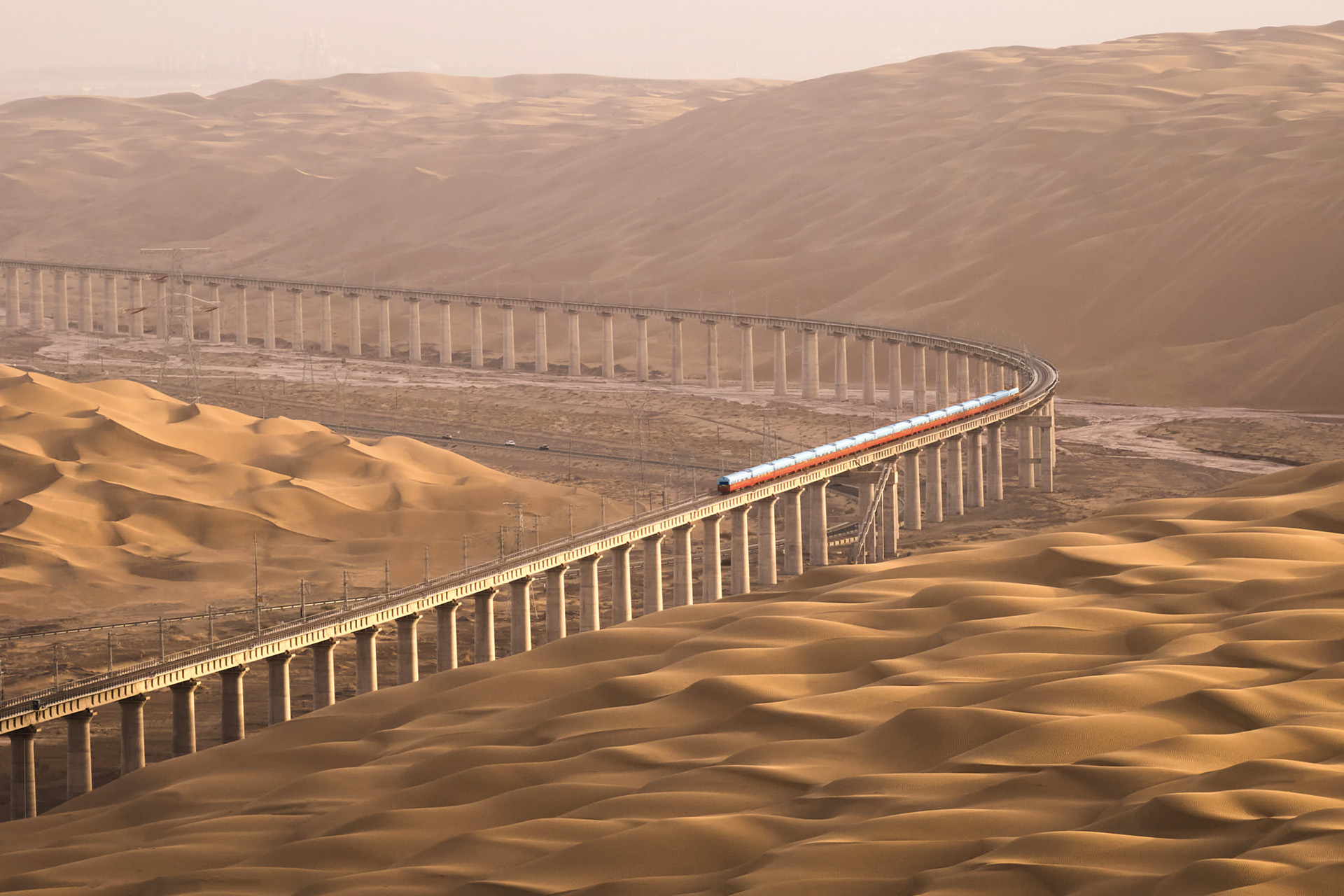
Steppes can arrange 12 days on the Golden Eagle train, travelling across China.
If access is the ultimate luxury, then time comes a close second. ‘One of the best pieces of advice we give our clients is to resist the temptation to do more,’ says Jarrod Kyte, product director at Steppes. ‘Instead, do less and do it at a pace where there is time for a deeper understanding of the places you are visiting.’ Journeys by train or riverboat offer the opportunity to slow down and experience a little more, he says, while reducing the stress of having to tick off lots of things. A case in point: its 12-day rail journey on the Golden Eagle train, travelling east to west across China, taking in Beijing, the Great Wall, the Terracotta Army and the oasis town of Turpan.
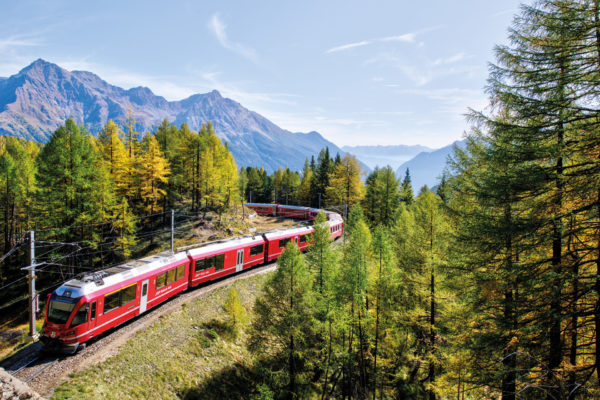
Train travel provides exactly that sense of connection that hopping on a flight simply can’t – and travellers are keener than ever. There’s been a slew of new routes opening up over the last year, from the Britannic Explorer, offering three-night itineraries from London to Cornwall, the Lake District and Wales, to Italy’s 1960s-styled La Dolce Vita Orient Express, with glamorous one- to two-night journeys through Venice, Tuscany and Sicily. New for next year will be the nattily-named Norient Express which will traverse Norway’s dramatic landscapes.
For trips that incorporate the journey into a wider adventure, Naturetrek has joined forces with Byway to offer outdoor adventures coupled with train travel (and reducing the carbon footprint of a trip by up to 90 percent in the process). As an aside, Naturetrek’s donations to conservation has amounted to over £4.3 million and includes using its profits to establish several wildlife reserves in Ecuador, Scotland and Italy. Flight-free journeys with Byway include a vegetarian birdwatching tour in Spain’s Extremadura, a botanical tour of the Swiss Alps and a slow-mo tour of Croatian and Slovenian Istria.
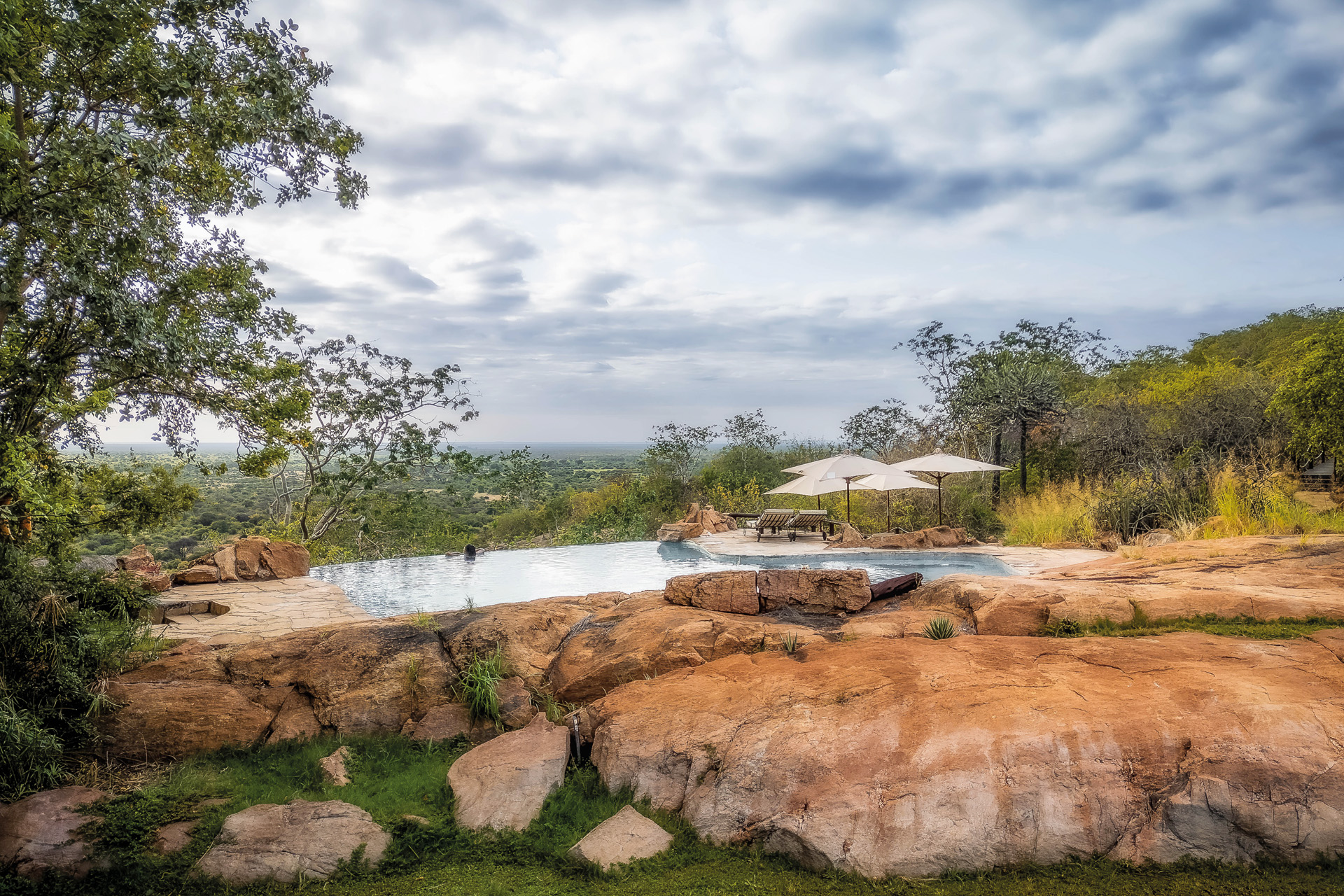
In Kenya, Turquoise Holidays offers safaris to lesser visited national parks away from the crowds.
Even for those who love classic fly-and-flop holidays, demand is shifting towards something a little more meaningful. Turquoise Holidays, for example, is finding clients are increasingly keen to immerse themselves into conservation stories and connect with local communities. Elsa’s Kopje in Kenya’s Meru National Park, for example – famous for Born Free, where Joy and George Adamson reintroduced the orphaned lioness ‘Elsa’ into the wild – now offers quiet, crowd- free safari experiences. The lodge is credited with saving this relatively unvisited national park, which at one point was at risk of being decommissioned and transformed into rice plantations. As well as added extras such as walking safaris (brilliant for getting closer to wildlife), guests can watch private screenings of the Born Free movie beneath the stars.
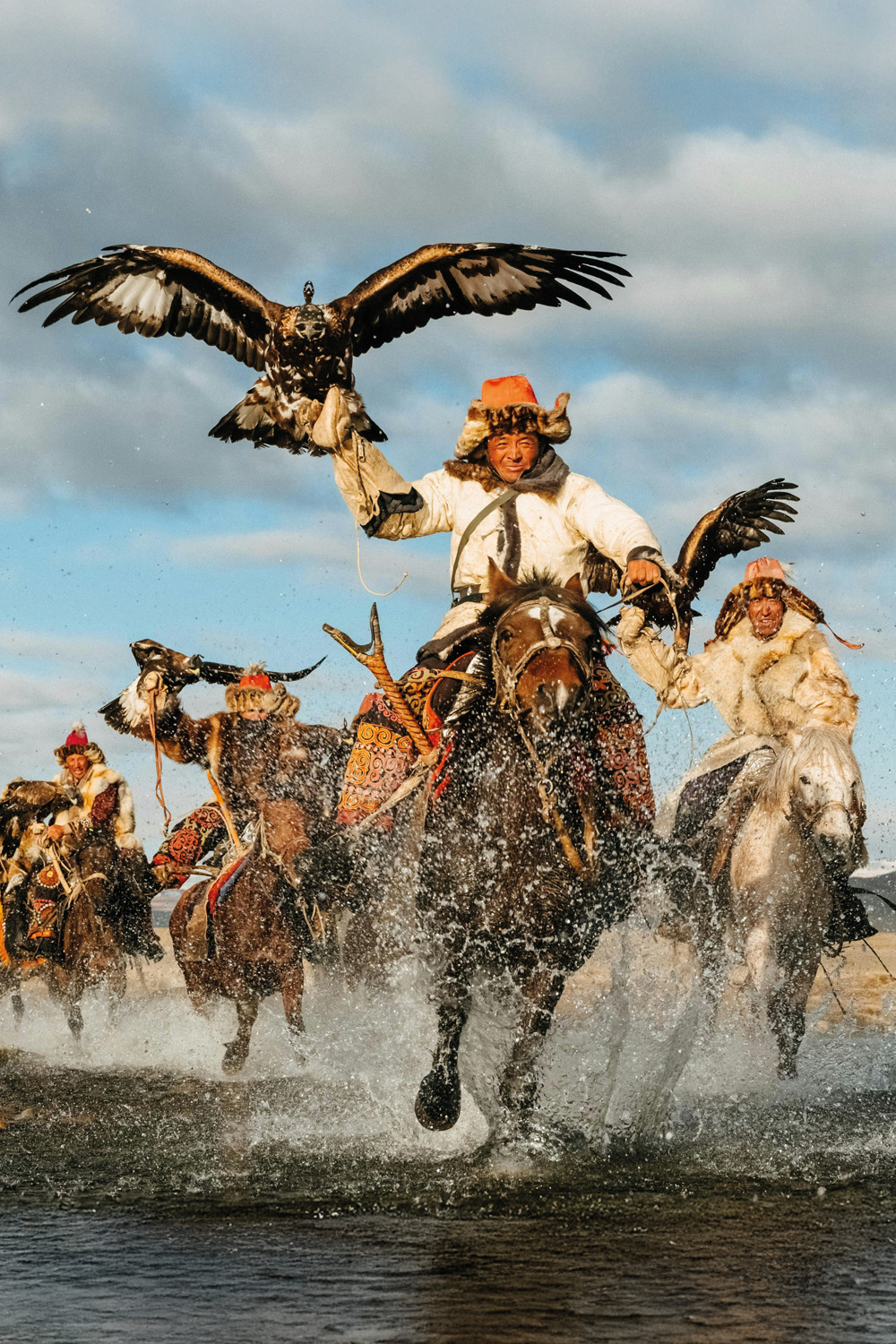
That sense of connection is key for Geordie Mackay Lewis, co-founder and CEO of high-end adventure operator Pelorus, who says their trips are shifting focus from high-adrenaline to high-connection. That might be living alongside nomadic herders in Mongolia to understand how shifting climates reshape their lives, he says, or deliberately disconnecting from technology and schedules. ‘I will never forget a journey through northern Kenya with local conservationists and elders from the Samburu community. What began as a wildlife safari evolved into something far more meaningful: a conversation about heritage, stewardship and resilience. It reminded me that adventure – at its best – creates connection.’