





Are Walking Pads Worth It?
By
6 months ago
Everything you need to know about the trending mini-treadmills
Upon recently getting an Oura ring, I was shocked to see my sky-high levels of inactivity: on a regular workday, I’ll rack up around nine to ten hours of sedentary time. While in theory this makes sense – like so many of us, my office-based job means I spend a lot of my life sitting at a desk, hunched over a laptop – seeing the numbers in plain sight was a reality check. I consider myself a pretty active person and am a consistent gym goer, but I’m increasingly aware that regular, low-impact exercise is just as important as hardcore strength and cardio sessions. I aspire to get my 10k steps in each day but it’s not always easy, so my interest was piqued by the latest wellness trend to sweep social media: walking pads.
Right now TikTok and Instagram are awash with videos of people tapping away at their laptops, all while pacing along on a mini-treadmill. But are they worth the cost? And can we really reap the same benefits from indoor pads as we can from getting out in the fresh air? We asked the experts.
What Are Walking Pads?
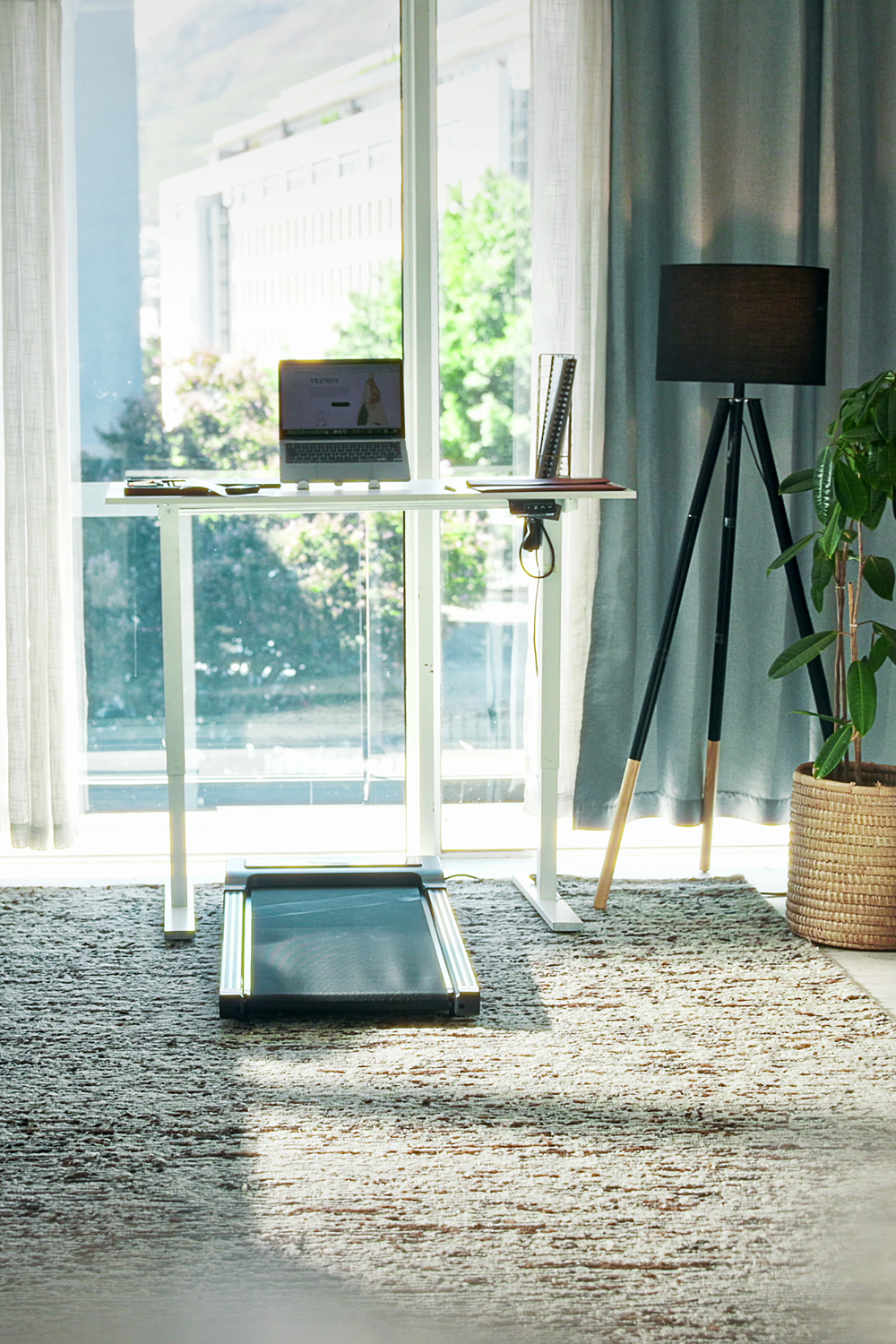
Walking pads are small, lightweight, often foldable treadmills that can be easily slotted under a standing desk or small space. Unlike regular treadmills, they don’t have handrails and have a slower motor power meaning they’re generally designed for walking or light jogging rather than running at high speeds.
What Are The Health Benefits?
The detrimental impact of sedentary lifestyles has been heavily documented by scientists and health experts. Spending too much time sitting down has been linked with an increased risk of developing type 2 diabetes, heart disease, obesity and high blood pressure, as well as mental health conditions like anxiety and depression.
There’s also plenty of evidence demonstrating the positive effect of regular walking. A recent study from the University of Sydney, for instance, found walking more can significantly reduce the risk of death – with hitting around 9,000 to 10,000 steps a day delivering the biggest benefits. According to Public Health England, though, just 10 minutes of brisk walking daily can reduce your risk of early death by up to 15 percent.
As Jennie Brown, personal trainer, habit coach and founder of Meet You At The Barre says, ‘Walking is massively underrated. It’s one of the most accessible, sustainable forms of movement we have, and it underpins pretty much everything. From a health perspective, regular walking supports cardiovascular fitness, helps regulate blood sugar, improves mood, and plays a key role in maintaining a healthy weight. It’s also incredibly important for midlife women – it supports joint health, recovery, and overall energy without placing excessive stress on the body.’
But busy schedules can make hitting daily targets a challenge, which is where walking pads come in. A couple of 30-minute sessions will add thousands of steps to your tally while also improving cardiovascular health, and you can squeeze these in while ticking things off your to-do list (provided you have a standing desk).
‘For most people, walking pads are absolutely worth it, and the most immediate benefit you get out of them comes from the consistent and low-impact movement,’ says Rebecca Bossick, physiotherapist and founder of One Body LDN. ‘Even walking at a low pace of one or two miles per hour raises your heart rate, which in turn elevates circulation and supports your body’s ability to regulate blood sugar. On top of that, it also keeps your muscles stimulated throughout the day, even when going out for a walk is out of the question due to bad weather or time constraints.’
Walking pads are particularly beneficial for desk workers, adds Bossick. Prolonged sitting leads to tight hip flexors, increased lower back load and poor circulation, she explains, but short walking bursts can directly counteract these effects.
They’re also great for joint health. ‘Unlike running, walking places minimal strain on your knees, hips, and ankles, which makes it a brilliant cardiovascular activity for anyone, but particularly so if you’re recovering from a musculoskeletal injury, managing ailments like osteoarthritis and tendinopathy or just starting a movement or fitness journey. The controlled pace also makes it far safer for older adults or those with balance concerns or joint sensitivity, allowing safe freedom of movement.’
What Are The Drawbacks?
Being compact means you can fit a walking pad into a small flat, but if you want to stroll while working you’ll need to invest in a standing desk.
There are also some people who these mini-treadmills won’t be suitable for, points out Roxana Elena Bucur, a fitness expert at Boulderflash tells us. ‘If you have balance problems, vertigo, significant joint pain, or a history of falls, it is worth being cautious and seeking clinical advice. They can also be a bad fit in small flats where noise and vibration matter, or in roles where you must type quickly and accurately all day.’
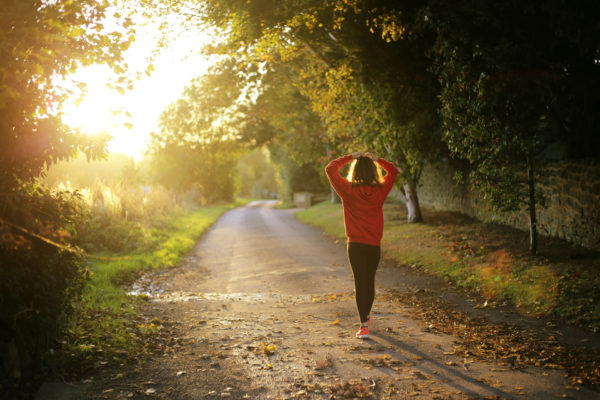
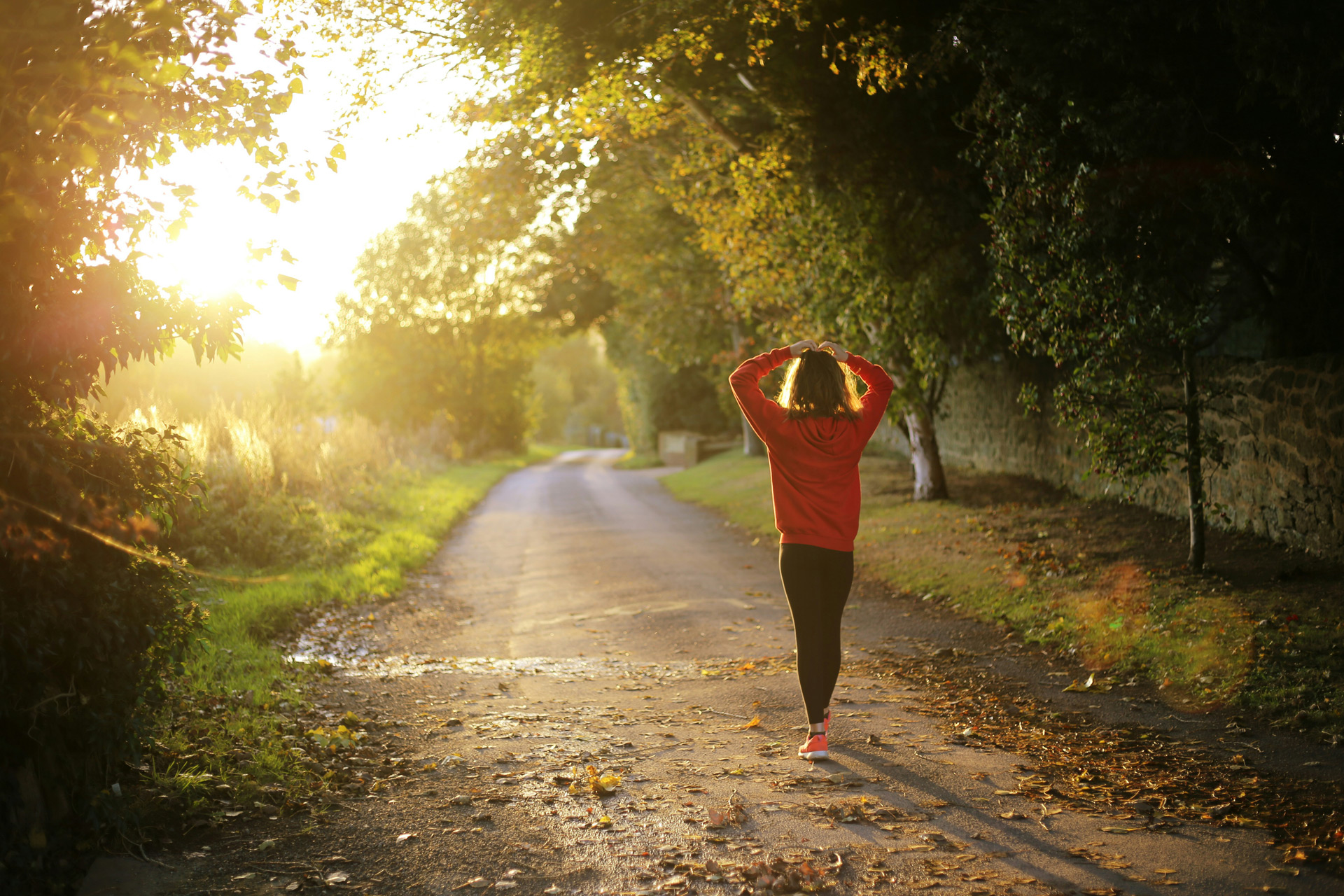
Even if you’re a standing desk owner and haven’t got any of the contraindications above, there are still limitations. While these tools are great for upping your step count, you won’t reap the benefits that come with being outside: studies show just 20 minutes in nature can lower stress hormones, ease blood pressure and even boost gut health. A UK study of nearly 20,000 people, meanwhile, found those who spent at least 120 minutes each week in greenery were significantly more likely to report good health and psychological wellbeing.
Plus, outdoor walks offer a moment to step away from our desks instead of being glued to them all day. ‘The main downside is that they can encourage very low-effort, distracted movement – which isn’t necessarily a bad thing, but it shouldn’t replace all other forms of exercise,’ says Brown. ‘They also lack the variety and stimulation of outdoor walking, which can make them feel a bit monotonous over time. And from a physical perspective, you’re missing things like changes in gradient and terrain, which help build strength and balance.’
Unsplash
Ultimately, Bucur says, walking pads should be seen as an add-on to a wider activity baseline. ‘It can boost daily steps and reduce sedentary time, but it does not replace dedicated cardiovascular exercise or strength training, which are still important for fitness, bone health, and long-term resilience.’
How To Use Walking Pads Correctly
Ergonomics are important when it comes to walking pads. Ensure correct posture while pacing on the pad to prevent neck or upper back strain, notes Bossick, and your screen should be at eye level, with your elbows relaxed at a 90-degree angle. ‘What you wear on your feet matters too,’ she adds. ‘Never use a walking pad barefoot or in socks, as this is not only a fall risk (as your feet and socks have little grip), but both lack support for your joints. Trainers, especially those designed for walking or running, can absorb impact and ensure your joints and muscles stay aligned, and are a must for those with knee problems, flat feet or issues like plantar fasciitis.’
Bucur also recommends an easy intensity. ‘A gentle pace, roughly 1.5 to 3 km/h for most people, keeps breathing steady and reduces the chance that form falls apart. Starting with 10 to 20 minutes at a time and building gradually is sensible, because sudden jumps in daily steps can irritate shins, calves, hips, or the lower back.’
What To Look For When Buying A Walking Pad
Brown recommends considering these key factors:
- ‘Stability and build quality – you want something that feels solid underfoot, not flimsy.
- Noise level – especially if you’re using it in shared spaces or during calls.
- Speed range – most walking pads are designed for walking rather than running, but check it suits your natural pace.
- Size and storage – will it actually fit your space, and is it easy to slide away?
- Ease of use – simple controls are a win. If it’s fiddly, you won’t use it.’
Safety is also pivotal: make sure you’re choosing a model with an emergency stop function (usually a magnetic safety key that attaches to the unit). Belt width is something else to look for, Bossick says. ‘It’s always better to go for wider belts so that the walking pad can match your natural strides, otherwise, surfaces that are too narrow would force you into unnatural movements, which can cause hip and ankle issues over time. Motor reliability and noise level are practical factors that directly affect whether you’ll actually use it consistently, especially in shared living spaces or home offices. Prioritise low noise, smooth motors, and compact, foldable models.’