





The Ultimate Guide To Skin Pigmentation
By
5 months ago
It's time to get even
Redness and pigmentation are on the rise. Ingeborg van Lotringen finds out how to treat inflammation for good.
How To Treat Pigmentation The Right Way
Whether you’ve always had a tendency to flush or have recently become more prone to redness, you’re not alone. Dermatologists note a rise in the number of patients worried about redness and rosacea, and blame stress, overuse of active skincare, tweakments, and pro-inflammatory diets, alongside hormonal shifts that happen during perimenopause.
The latter poses a particular conundrum: middle age comes with signs of ageing, and traditionally, the most potent wrinkle-fighters and dark spot-faders (think retinoids, acids, lasers) work via a measure of controlled inflammation. In healthy skin, this initiates a healing response that results in fresher, younger-acting cells. But excess inflammation makes skin age faster, not slower, so for skin that’s already fragile, the principle is counterproductive.
The good news is that an influx of new treatments – from serums to injectables to quantum mechanics – is successfully inverting traditional thinking. But before we look at how, let’s focus on the basics of treating redness-prone skin, which can occur in all skin types and tones.
What Causes Redness?
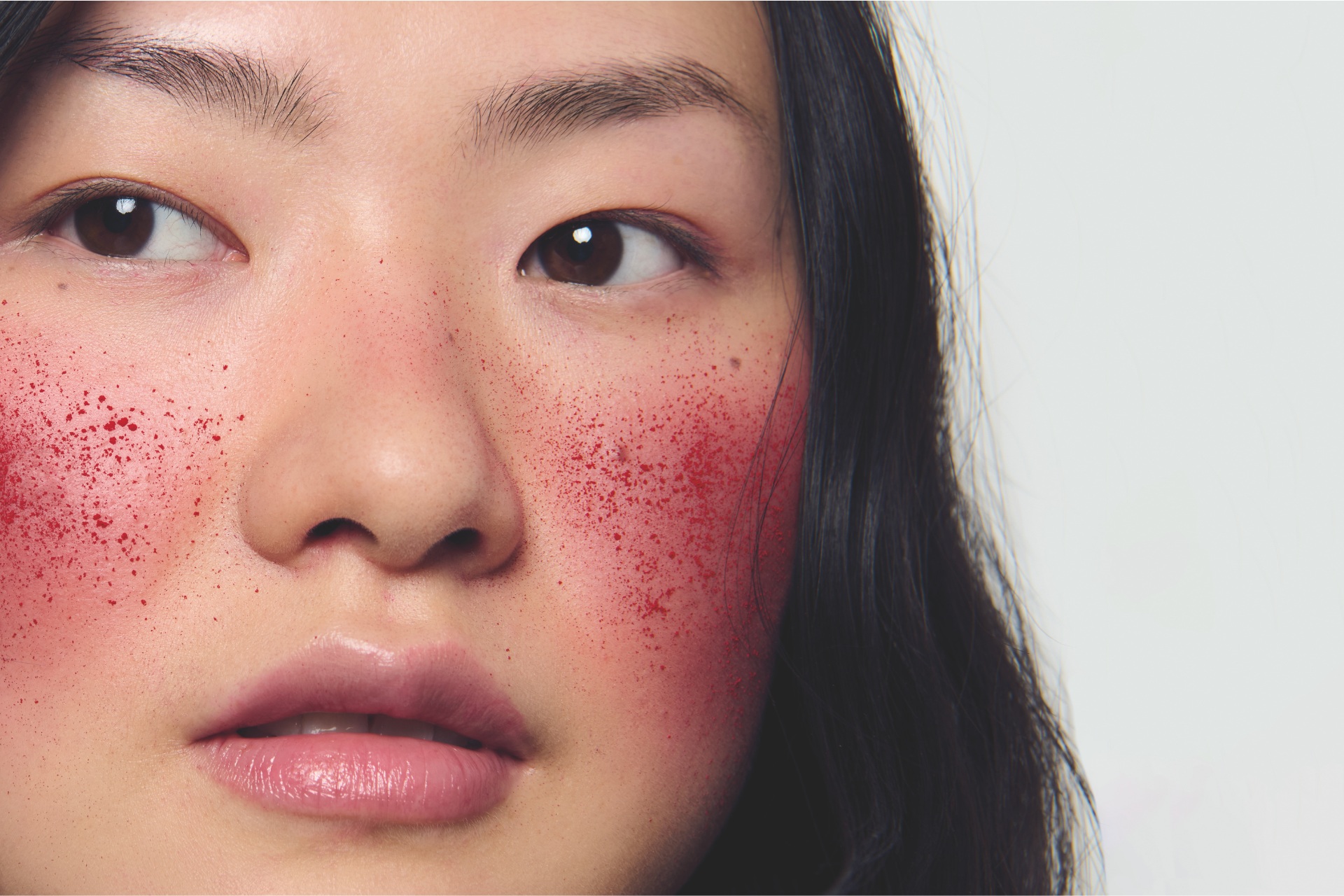
‘Skin’s protective lipid barrier can be compromised from birth, often manifesting conditions like rosacea and eczema from a young age,’ says Pamela Marshall, clinical aesthetician and co-founder of Mortar & Milk. This type of genetically sensitive skin is less common than sensitised skin, which is prone to rashes, flushing, dryness and sometimes even welts and blisters due to lifestyle factors which, in addition to the ones mentioned above, include smoking, drinking and sunbathing
If your flushing is recurring or chronic, it’s typified as rosacea. It’s more common than you think: up to one in ten of us are thought to have it, although for many it’s low-level and not always noticeable. Ignore it, however, and it can worsen. Deep red flushes, dilated veins, an uncomfortably hot and prickly face, and upsetting acne-like bumps are to be expected and can be a struggle to manage. That’s why early intervention is key. ‘Fundamentally, sensitive or sensitised skin on any level needs similar treatment,’ says Marshall.
In dark skin, ‘redness’ is of course a misnomer: ‘Flushing and blotching present sometimes as pimples, sometimes as pigmentation, and sometimes you can’t see it at all, though you might be able to feel the heat,’ says cosmetic physician Dr Rezhaw Luca Karadaghi. GP and co-founder of Evidence Skincare Dr Ginni Mansberg adds there is emerging evidence that rosacea is ‘as common in skin of colour as it is in white skin’ and should be managed as assiduously.
Consultant dermatologist Dr Justine Hextall pegs persistent redness as ‘usually a confluence of issues presenting in the skin’. This means simply slapping on a soothing serum isn’t going to cut it. From skincare to diet to lifestyle, it’s about what to avoid as much as it is what to use.
Here are some of the most important things to focus on:
Skin Fixes: Pigmentation Focus
Best (And Worst) Skincare For Flushed Skin
What To Avoid: ‘Anything skin barrier-stripping is out: alcohol (often hiding in toners and serums), fragrance (including essential oils), and sulphates in foaming cleansers,’ says Marshall. For advanced, bumpy rosacea, cut out face oils as well. Potent cell turnover-boosting ingredients such as AHA exfoliants, retinoids and ascorbic acid will aggravate skin, risking deeper, not softer, wrinkles
What To Use: Only use no- or minimal-foam hydrating cleansers. Polyhydroxy acids (PHAs) boost skin turnover and hydrate without irritation. Anti-bacterial, anti-inflammatory azelaic acid is one of the most helpful rosacea-settling ingredients available, as is niacinamide; both also help with signs of ageing. Pick moisturisers designed for barrier repair featuring ceramides, prebiotic ferments and anti-inflammatory ingredients like panthenol, cica or next-gen irritation calmers, such as soothing peptides or neuro-cosmetic ingredients. The latter includes neurosensine and neurophrolin, designed to soothe skin by targeting the nervous system, as well as PDRN, barrier-supporting DNA fragments derived from salmon. Lastly, a light-textured SPF50+ is an absolute daily essential.
For severe cases, dermatologists will prescribe medications such as ivermectin or brimonidine (to calm inflammation, redness, pustules and rosacea-triggering mites), prescription-strength azelaic acid, and sometimes the antibiotic metronidazole.
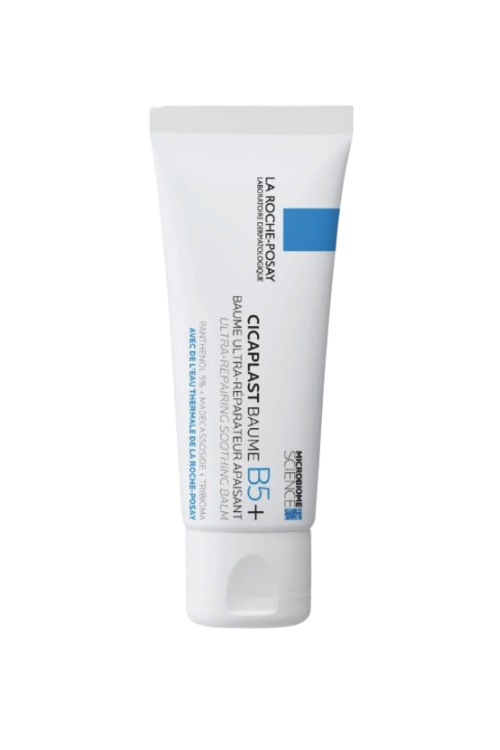
La Roche-Posay
Cicaplast Baume B5+, £19.90
One of the best instantly calming creams available.
BUY NOW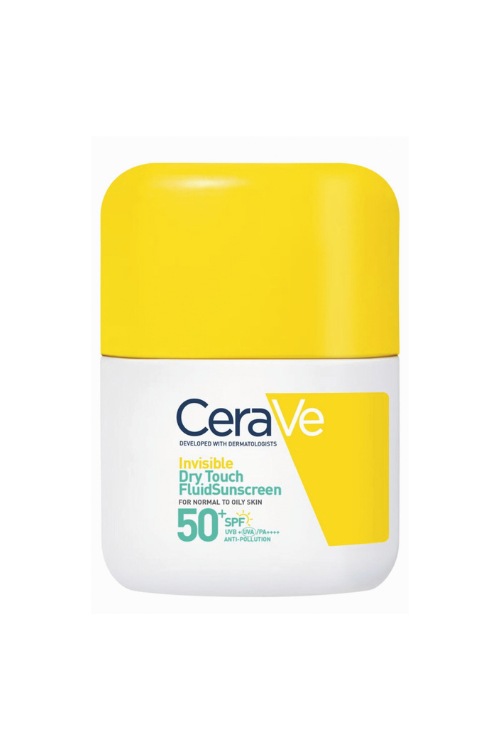
CeraVe
Invisible Dry Touch Fluid Sunscreen SPF50+, £17.90
Broad-spectrum, nonirritating protection.
BUY NOW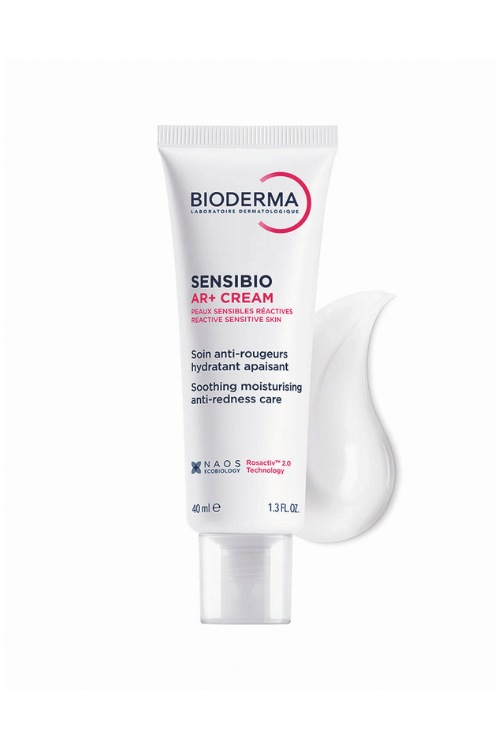
Bioderma
Sensibio AR+ CC Cream SPF50+, £17.60
Settles heat instantly and has a redness-covering tint.
BUY NOW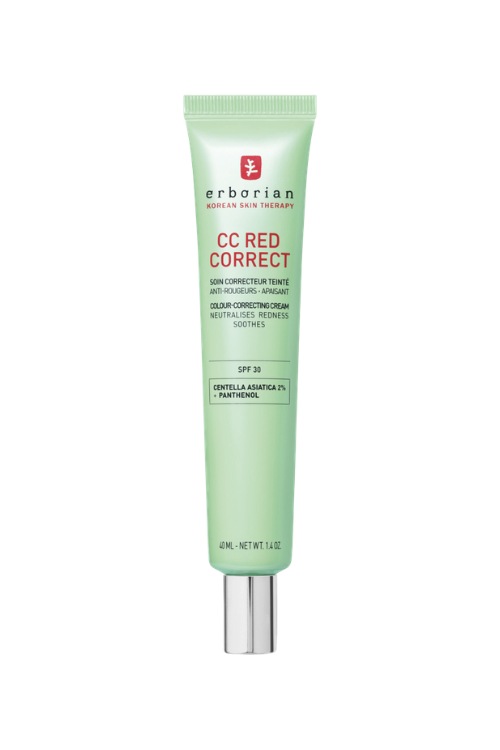
Erborian
CC Red Correct SPF30, £38.50
Its green tint blends into skin tone and neutralises redness.
BUY NOW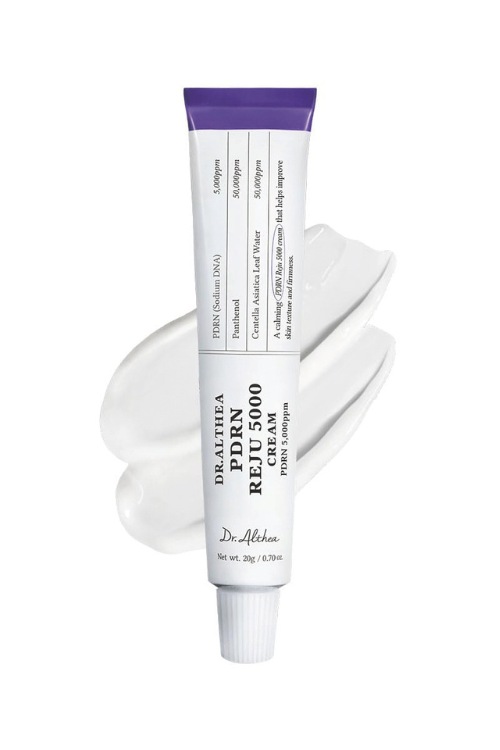
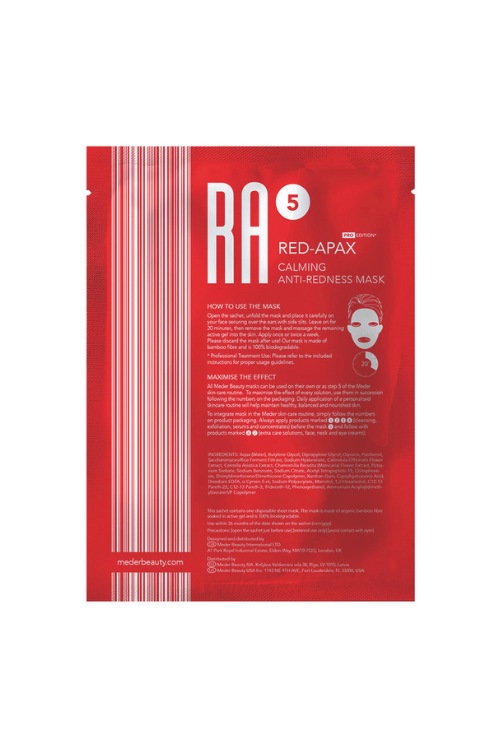
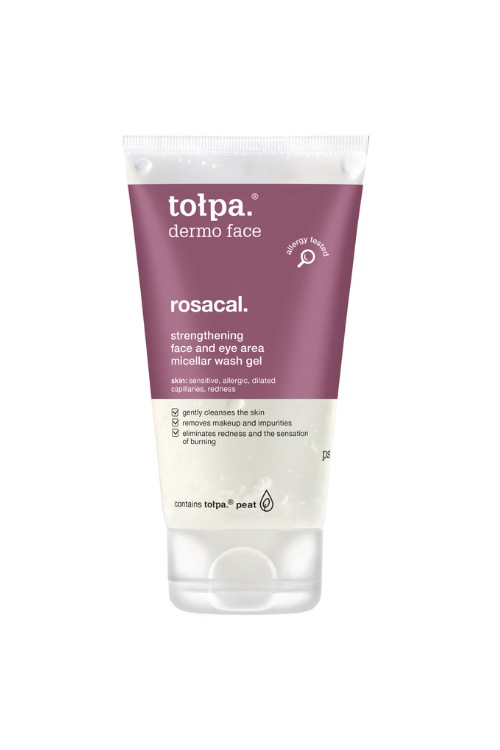
Tolpa
Dermo Face Rosacal Micellar Wash, £8.99
Gentle on sensitive skin, calms any burning sensations and is great value.
BUY NOW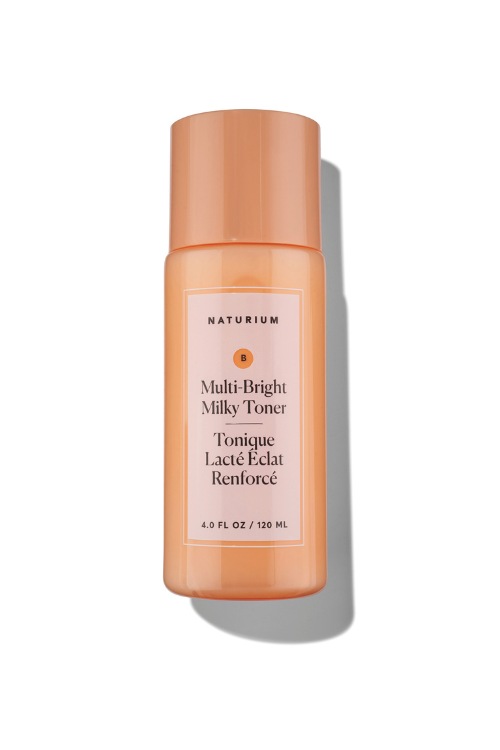
Naturium
Multi-Bright Milky Toner, £19
Features balancing azelaic acid and calming liquorice.
BUY NOWLifestyle Tweaks
What To Avoid: ‘Stress directly affects gut health and, as a result, skin barrier function, promoting redness,’ says Dr Hextall. Heat is also a trigger, so it’s best to minimise saunas, hot yoga, spicy foods, very hot showers and sharp temperature changes.
What To Embrace: Anything you can do to promote stress relief and good quality sleep is a plus. This includes regular exercise, although it’s best to avoid whatever leaves you red and flustered. Applying a thick layer of moisturiser before taking a warm shower or a walk in the biting cold can prevent flushing. All of this becomes increasingly pertinent with age: ‘Perimenopausal skin is more prone to rosacea,’ emphasises Dr Kai.
An Anti-Inflammatory Diet
What To Avoid: ‘Evidence is mounting as to how microbes in the gut play a crucial role in regulating immunity and inflammation, and how those with rosacea have less favourable gut microbiomes than those without,’ says Dr Hextall. ‘So eating to support a healthy gut is crucial.’ Excess sugar, alcohol and ultra-processed foods can feed bad bacteria and aggravate skin, so may be best ditched from your diet.
What To Eat: Dr Hextall often starts her rosacea patients on probiotic supplements such as Symprove, while encouraging a prebiotic diet to feed healthy bacteria. ‘This should include plenty of fibre-rich fruits and veg; fermented foods such as kimchi and kefir; and beans, pulses, nuts and seeds.’
Recommended Tweakments
The newest technologies de-age skin by dampening inflammation on a cellular level, which allows cells to focus on their intrinsic self-repair and regenerative prowess, resulting in calm, even skin with fewer signs of ageing. These have been tried, tested and approved by our team of experts – including me.
Rexonage 3 Quantum Molecular Resonance: A practitioner administers a gentle facial massage with gloves attached to a machine emitting painless, high-frequency electrical signals. This puts skin stem cells into super-active repair mode, resulting in malfunctioning cells being fixed, inflammation dampened, and peak collagen and elastin regeneration reinstated in skin of any colour. Results can also include reduced lines and pigmentation.
In my case, hard-to-treat perioral dermatitis and low-level rosacea were eradicated, as evidenced not just by my even-toned, glowing face but also by my medical under-the-skin pictures, which proved significant underlying inflammation was almost entirely gone.
£3,000 for six sessions, with a £700 maintenance session every seven to eight months advised. genevivclinic.com
Polynucleotides: Polynucleotide jabs (similar to PDRN but injected under the skin) were everywhere in 2025 for their collagen-supporting, brightening effects, but doctors quietly admit their greatest strength is calming chronic inflammatory skin conditions. ‘These DNA fragments improve skin barrier resilience and modulate inflammation over time, rather than just temporarily suppressing it,’ says cosmetic physician Dr Paris Acharya.
Polynucleotides are administered as tiny injections all over the face (after numbing cream). Three initial sessions are needed, with top-ups every six to nine months. Suitable for all skin tones, ideally Dr Acharya cycles them with injectable skin boosters and mesotherapy ‘as part of a broad regenerative strategy; you don’t “switch off” rosacea, you retrain it’
£1,400 for a three-session course. theardourclinic.com
Tackling pigmentation: Here’s How The Derms Do It
Redness and rosacea is one form of unevenness, but it isn’t the only condition preventing your skin from looking its personal best. Hyperpigmentation – brown spots, blotches, mottling – is almost impossible to avoid unless you live under a rock. UV radiation, pollution, inflammation, hormones, medications and genetics all play a part in its development.
Cosmetics and aesthetics can greatly improve discolouration – if you diagnose it correctly and take your skin colour into account. ‘Treating the wrong diagnosis will likely make things worse,’ says consultant dermatologist Dr Stefanie Williams. ‘You have either environmental or hormonal pigmentation [melasma], and both require quite different treatment.’ Generally, the former is caused by chronic sun exposure (photodamage, often exacerbated by other factors such as pollution), or by irritation or inflammation (post-inflammatory hyperpigmentation, or PIH). Melasma, meanwhile, is primarily hormonal: triggered by pregnancy, the pill, menopause, medications or genetic factors.
What are the best pigmentation protocols? Three dermatology experts – Dr Stefanie Williams, Dr Amiee Vyas and Dr Mary Sommerlad – share their advice for different skin tones:
Environmental Pigmentation
‘In light skin tones, this mostly presents as small, round-ish brown spots on sun-exposed areas. These solar lentigines can be sprinkled all over the skin, creating a mottled appearance where they join up,’ says Dr Williams.
‘In darker skin tones including Fitzpatrick type IV [which can look pale but tans very readily], it’s often post-inflammatory,’ says cosmetic dermatology specialist Dr Vyas. ‘Acne, eczema, hair removal, burns, bruises, minor injuries, and any irritation can set off this localised post-inflammatory hyperpigmentation.’ In the darkest skins, ‘sun damage will present as dark and light [hypopigmentation] marks on the face, often around the eyes and body’, adds consultant dermatologist Dr Sommerlad.
Hormonal Pigmentation
‘Melasma appears as larger, often darker, demarcated patches with a bizarre outline, across the cheeks, temples, upper lip and forehead, but typically not on the body,’ says Dr Williams. ‘It’s more common in those who tan easily.’
‘It tends to develop more gradually than environmental pigmentation,’ adds Dr Vyas. ‘In South Asian skin particularly, we see pigmentation that closely resembles melasma but is not hormonal.’ It can also look different in dark skin depending on the trigger: ‘If it’s due to PCOS or diabetes, you can see increased darkness in the folds of the face,’ says Dr Sommerlad. ‘When caused by hormonal fluctuations [pregnancy, HRT], it can darken lips, genital skin and nipples.’ Always seek professional advice if pigmentation is symmetrical, spreading or persistent despite good skincare and diligent sun protection, advises Dr Sommerlad.
Procedure Dos & Don’ts
‘In Caucasian skin, if there’s good contrast between pigmented lesions and surrounding skin, courses of laser and IPL will be quite effective at fading the pigment. We can treat underlying redness, vascular damage and collagen loss with these as well,’ says Dr Williams. But when it comes to melasma, she says, ‘absolutely no lasers, IPL or any energy-based devices such as Morpheus 8 [radiofrequency microneedling]. You risk seeing the pigmentation improve only to return with a vengeance a few months later – and it’s often darker.’ Williams likes to calm skin physiology, and therefore melasma, with the help of the injectable skin booster Sunekos, ‘which helps stimulate elastin and collagen’.
Dr Vyas does the latter with injectable polynucleotides, which calm inflammation on a cellular level. ‘I’ve seen excellent results on pigmentation as well as skin tone and resilience,’ she says. ‘If melanin-rich skin is resilient and stable, then I may introduce carefully selected peels or lasers like the coldfibre UltraClear laser.’ But, she warns, ‘precision and minimally aggressive settings are crucial, and that requires a doctor who understands melanin-rich skin in all its nuances’.
Provided they’re done by a dark skin tone specialist, ‘my preferred in-clinic treatments are microneedling (with no heat), superficial to medium-depth peels, and Nd:YAG laser’, says Dr Sommerlad. She warns against trying IPL and BBL due to the post-inflammatory hypopigmentation risk. ‘All this applies to hormonal pigmentation, but not without addressing underlying medical issues first.’