





What Has Sparked The Reformer Pilates Backlash?
By
5 months ago
Concerns around safety are calling for better regulation surrounding the trending workout
In the 2010s it was all about high-octane spinning, then barre had a moment, and in lockdown we all went mad for HIIT. But few modern fitness trends have taken off as much as reformer pilates, which has upheld its crown as the workout du jour for a good five years now. Experts predict the global market to reach $16.8 billion by 2035 (in 2025 it was valued at 7.6 billion), and between 2024 and 2025 the number of studios in the UK rose by a staggering 948 percent.
But this boom has led to a shortage in qualified instructors, sparking whispers that standards are slipping and client safety is being impacted. Meanwhile, some argue that the signature lean, ALO-clad pilates aesthetic displayed all over TikTok – combined with the high price point – is making the trend too exclusive. Is the #reformerpilates sparkle finally dulling? Or does the industry just need better regulation?
History Of Reformer Pilates
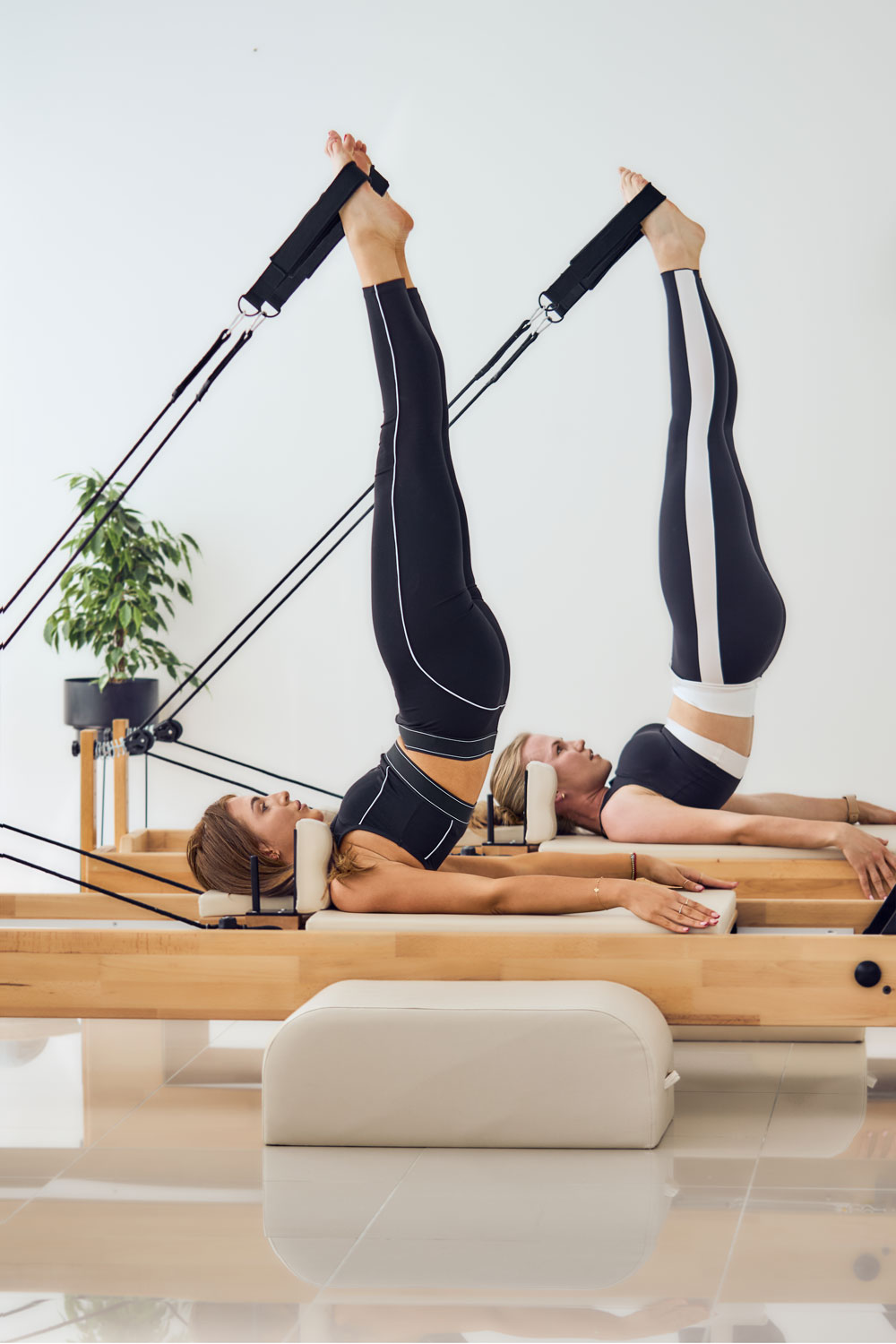
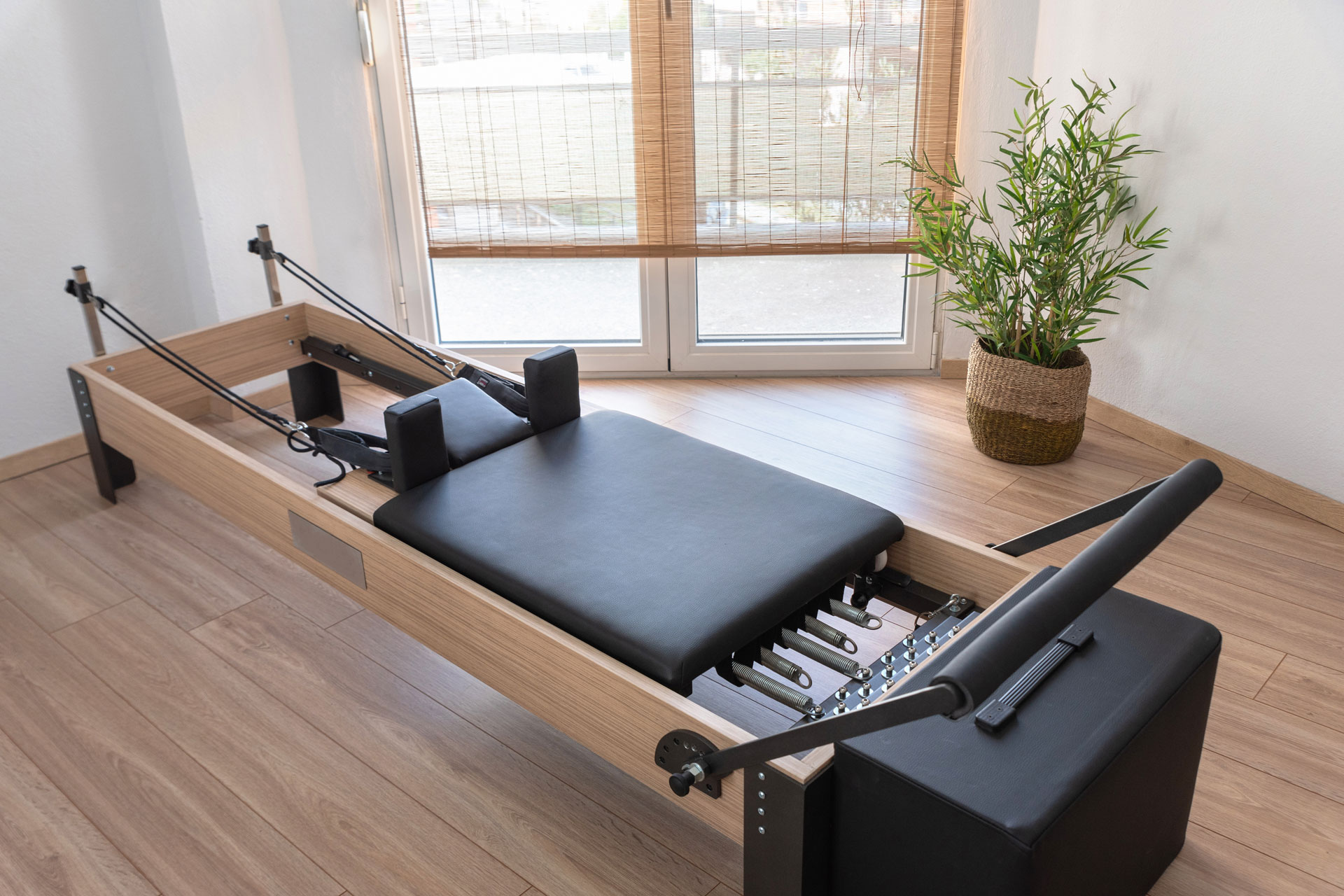
Before we delve into the future of reformer pilates, here’s a quick refresher on the history of the workout. Although the buzz kicked off in the 2020s, this form of exercise was actually invented in the early 1900s by the eponymous Joseph Pilates. He developed pilates (originally known as Contrology) as a way of overcoming personal health issues – initially keeping exercises to the mat. But while working as a nurse during World War I, he had a chance to experiment with attaching springs to hospital beds to help rehabilitate injured soldiers. This was the beginnings of the machine now known as a pilates reformer: a sliding bed-like frame which uses springs to create resistance.
After moving to New York, Joseph and his wife Clara opened their first pilates studio in 1926 – with the reformer being a key part. The workout quickly attracted the attention of dancers and performers across the city, but it wasn’t until the 1970s that the Brits caught on (thanks to a man called Alan Herdman who opened the UK’s first pilates studio in London). Nonetheless it took a while for reformer to reach the mainstream, with social media playing a pivotal part in its rise.
Getty Images
The Backlash
In 2026, it feels like we’ve reached peak reformer pilates: new studios are popping up everywhere, yet securing a class spot still requires a level of commitment akin to landing Glastonbury tickets. But many instructors and studio owners agree the high demand is causing standards to decline.
‘Although I love reformer pilates, there is such a demand for this practice,’ says Lottie Anderson, founder of the Bondi Rise studios in London. ‘This has led to businesses trying to find quick wins for instructors to teach classes. There are two sides to this – I think it is great that reformer is so popular as more and more people are seeing the benefits, but with quick popularity there comes downsides such as not enough instructors to keep up with class demand. Many businesses are looking for quick solutions to meet this demand, which can sometimes mean fast-tracking instructors into teaching roles before they have gained enough experience.’
A key problem is the lack of regulation when it comes to instructor training. As Georgia Testa, founder of Studio 281 (with branches in Bedford, Milton Keynes, Ampthill and Olney) points out, people are looking for loopholes to get into the industry quickly – but learning the pilates method properly requires time and care. ‘There are a lot of cowboy courses out there: online qualifications, single-weekend training, structures that simply don’t include enough in-person practical hours,’ she says. ‘That matters because pilates is hands-on – physically adjusting and cueing a body is what separates it from most other forms of exercise, and you can’t build that confidence through a screen.’
Pilates instructor and personal trainer Aimee Victoria Long agrees. ‘Pilates is incredibly nuanced. Knowing choreography is one thing, but understanding biomechanics, alignment, breath work, injury modification and how to safely progress or regress exercises takes years of practice.’ Although, as Jordan Cunningham, Talent Development Lead of Reformer at FLOW Ldn, notes, all teachers start off beginners at some point: ‘“inexperienced” isn’t a fixed state, it’s a phase every instructor moves through. What matters most is the support structure around them: quality supervision, ongoing feedback, and a culture where asking questions is not just encouraged, it’s expected.’
Safety
Reformer pilates offers many health benefits, such as boosting posture, building strength and increasing flexibility. But the fact it takes place on a heavy, unstable machine can lead to safety risks when clients aren’t coached correctly. Plus, the low-impact nature of the workout attracts people who need the most careful instruction, says Testa, such as pregnant women, older clients and people returning from injury. ‘Without proper training in those special populations, an instructor simply can’t deliver the workout safely.’
Injuries caused by reformer pilates are on the rise (as reported by the Guardian and the Evening Standard). TikTok is awash with videos of people falling off machines, and according to fitness training company HFE legal cases and personal injury claims related to reformer pilates are increasing. The most prominent case involved violinist Maya Meron, who was left with severe abdominal injuries, a fractured elbow and long-term nerve damage after a faulty machine collapsed during a class at Heartcore. She was left unable to play the violin professionally, and ended up suing the studio.
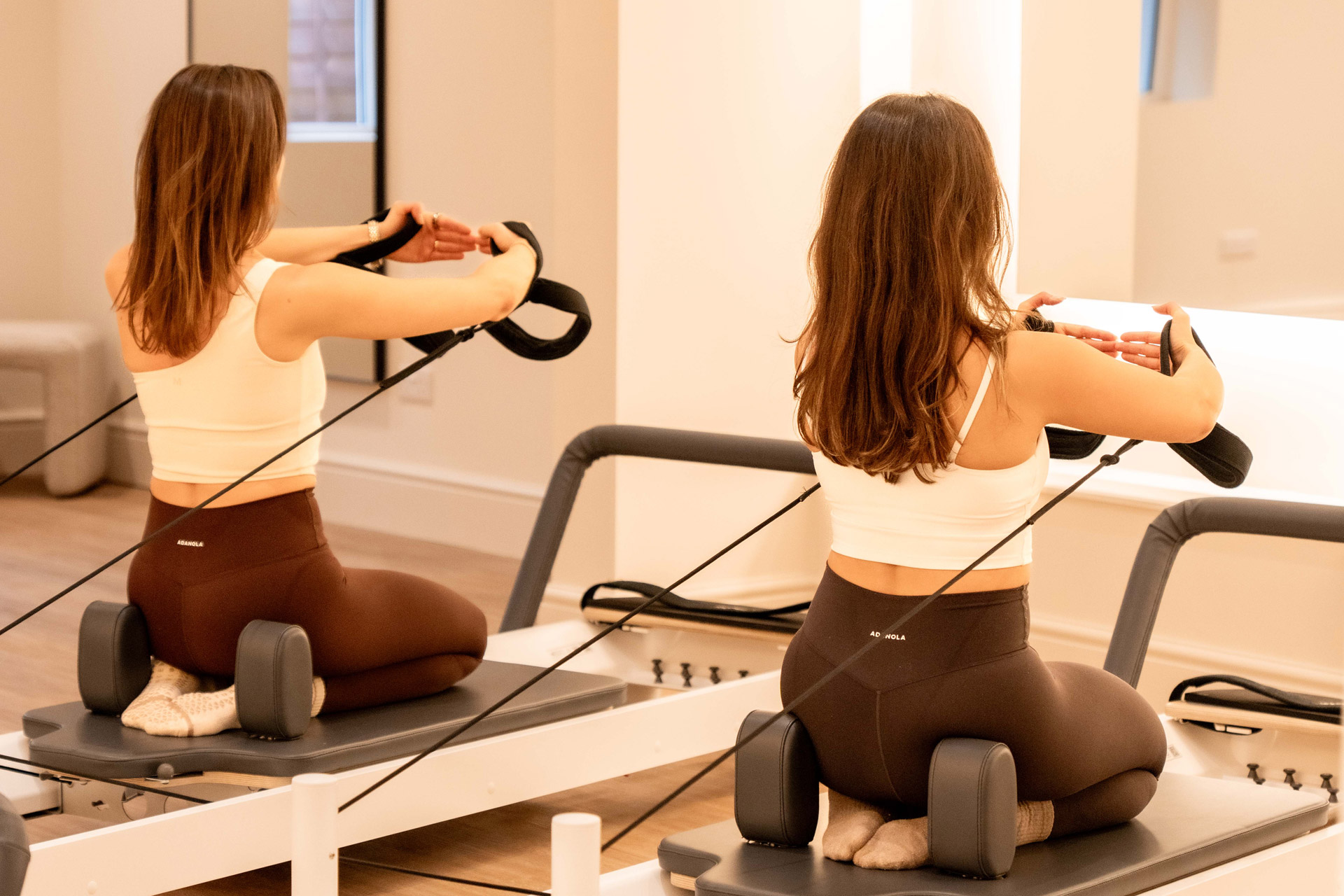
As well as inexperienced instructors, part of the problem is studios cramming too many reformer machines into the room. ‘Smaller is always better when it comes to reformer,’ says Cunningham. ‘Ideally you want your instructor to have eyes on every single person in the room, at every moment. The lower the ratio, the higher the quality of experience, both for safety and for results, and boutique settings exist for exactly that reason.’
Bondi Rise, Wimbledon
Anderson, meanwhile, has a strict rule to never go over eight beds in the studio. ‘Imagine if everyone in the class is new or if people had injuries – you really want to make sure everyone receives attention, and necessary adjustments without disrupting the class flow,’ she adds. ‘This is the beauty of a boutique experience as you receive 1-1 support with your teacher even in a group class setting.’
Exclusivity
Another criticism of reformer pilates is that it’s becoming too exclusive. Platforms like TikTok and Instagram have been fundamental in putting the workout on the map, but some argue this is taking pilates away from its core principles and making it feel performative.
‘Social media has done an incredible job of showing that this is a way of moving that genuinely works for a huge range of people,’ says Testa. ‘I’m really proud to see women in particular, many of whom have never liked exercise, find a way to move their bodies through pilates, and feel the mental health benefits as much as the physical ones. And I’m grateful when I see other studios alongside us showing all ages, all abilities and all body shapes in their content, because that’s what keeps the practice unbiased and the door open.
‘The downside is the rise of the matching-set matcha girls and the “Pilates Princess” aesthetic, alongside a wave of clickbait content showing wildly unsafe and unachievable moves on the reformer,’ she adds. ‘That part isn’t what pilates is. At its core, it’s a practice that can open the door to exercise for people who don’t like the gym, who are recovering, who want to move thoughtfully and the loudest version of it on social media can sometimes drown that out.’
There’s also the question of price point. In London, a typical reformer pilates class costs between £25 and £35 – is this in itself making it elitist? ‘Reformer will always carry some cost due to the equipment involved, but that absolutely doesn’t mean the benefits should only reach one demographic,’ says Cunningham. Testa believes it’s the first time instructors are being paid what they’re worth, and this cost allows them to continue training and upskilling. Class packs and monthly memberships often make things more affordable: FLOW, for example, is available to book as part of the wider Wellverse membership, which gives you access to over 50 class types (including reformer) from £120 a month. Credit-based platforms like ClassPass are also a way of accessing reformer pilates for a lower cost. Anderson, meanwhile, is keen to highlight mat pilates as a more accessible alternative, which offers many of the same benefits (online classes are often even cheaper).
‘What I really want to push against is the idea that reformer pilates is only for one type of person,’ stresses Testa. ‘It isn’t, and it shouldn’t be. I genuinely believe reformer is for everyone, and that it can support lifestyle, health and wellbeing for so many people who are currently put off by what they see online.’
What Should Be Done?
Many professionals agree the industry needs better regulation. Testa thinks all reformer pilates instructors should have a Level 3 Mat Pilates qualification ‘as the absolute minimum’ before a thorough CPD (Continuing Professional Development) on the reformer.
Cunningham agrees. ‘I would absolutely welcome a clearer industry framework,’ he says. ‘Greater consistency in baseline standards benefits everyone: members feel safer, instructors feel more supported, and studios can be held to account. It’s a conversation the industry is ready for, and one I hope gains real momentum soon. Weekend courses simply should not be a route into teaching reformer.’
And what can clients look for when choosing studios? ‘First and foremost, look at the instructor’s qualifications and experience, not just the branding or aesthetic of the studio,’ recommends Long. ‘A beautiful studio and a great social media presence don’t necessarily mean high quality teaching. A good instructor should ask about injuries, pregnancy, medical history or movement limitations before class. They should offer modifications, pay attention to form and make clients feel seen in the room.’ Testa adds that it’s worth looking at the founder of a studio: are they credible and experienced?
Cunningham also notes that a studio should feel welcoming rather than intimidating. ‘Look for studios that keep class sizes smaller, so you know you’ll actually be seen and coached, not just moving through a sequence.’ And if you’re new to reformer pilates, it’s always best to start with a few beginner classes to familiarise yourself with the machine.
There’s no danger of reformer pilates going out of fashion any time soon, but it does feel like we’re reaching a point of change in the industry. When done correctly, the practice can offer a plethora of benefits for both body and mind – but safety and proper form must be prioritised over investment and going viral online. As Joseph Pilates himself said: ‘concentrate on the correct movements each time you exercise, lest you do them incorrectly and thus lose all the vital benefits of their value.’