



Wellness Culture Has Lost Its Way – Here’s How Nature Can Bring Us Back
By
3 months ago
We need to bring wellbeing back to its roots
Daisy Finer reflects on the complex world of modern wellness and our need to return to the simplicity of nature
What Does True Wellbeing Look Like In 2026?
Recently I received a press release announcing the rise of ‘dusking’ – apparently a new trend of pausing to watch the day soften into night. How is it that a natural occurrence that has soothed humans for centuries is being packaged and renamed as a ‘wellness phenomenon’? Or that, as Ozempic and Mounjaro are prescribed far beyond the NHS, the medi-clinic scene in Europe is now giving rise to GLP-1 and lifestyle integration programmes? They cost at least £4,000 (before flights and doctorprescribed add-ons). And yet, this is where we find ourselves.
Never before have we had such excessive access to information about health, healing and what it means to live well. And never has it felt harder to discern what is genuine and nourishing from what is simply being sold to us. Ancient practices once rooted in lineage and landscape circulate at speed, often detached from the cultures that first shaped them. DNA tests sit alongside sound baths. Metrics compete with intuition. AI-generated answers arrive faster than embodied understanding, while personal branding eclipses quieter, received wisdom.
Across social media platforms, human suffering is increasingly repackaged into content: trauma recovery transformed into branding, vulnerability into performance, healing into something to monetise and display. Beneath much of this language lies the implication that if we are conscious or evolved enough, we can somehow bypass the messiness of being human. Having observed and participated in the wellbeing industry for more than 25 years, I admit there are moments when I feel disenchanted. If I see one more influencer filming their dinner or promoting expensive sachets of electrolytes, I may lose the very peace I suspect we are all searching for in the first place. Can we take an ice bath without photographing it? Health today is in danger of becoming a pursuit of perfection.
If we attempted to follow every expert directive earnestly presented, we would barely leave the house. We would spend our days measuring, monitoring, supplementing, tracking and self-policing. There would scarcely be time to inhabit our actual lives, let alone embrace the spontaneous, unforeseen moments through which we are so often restored.
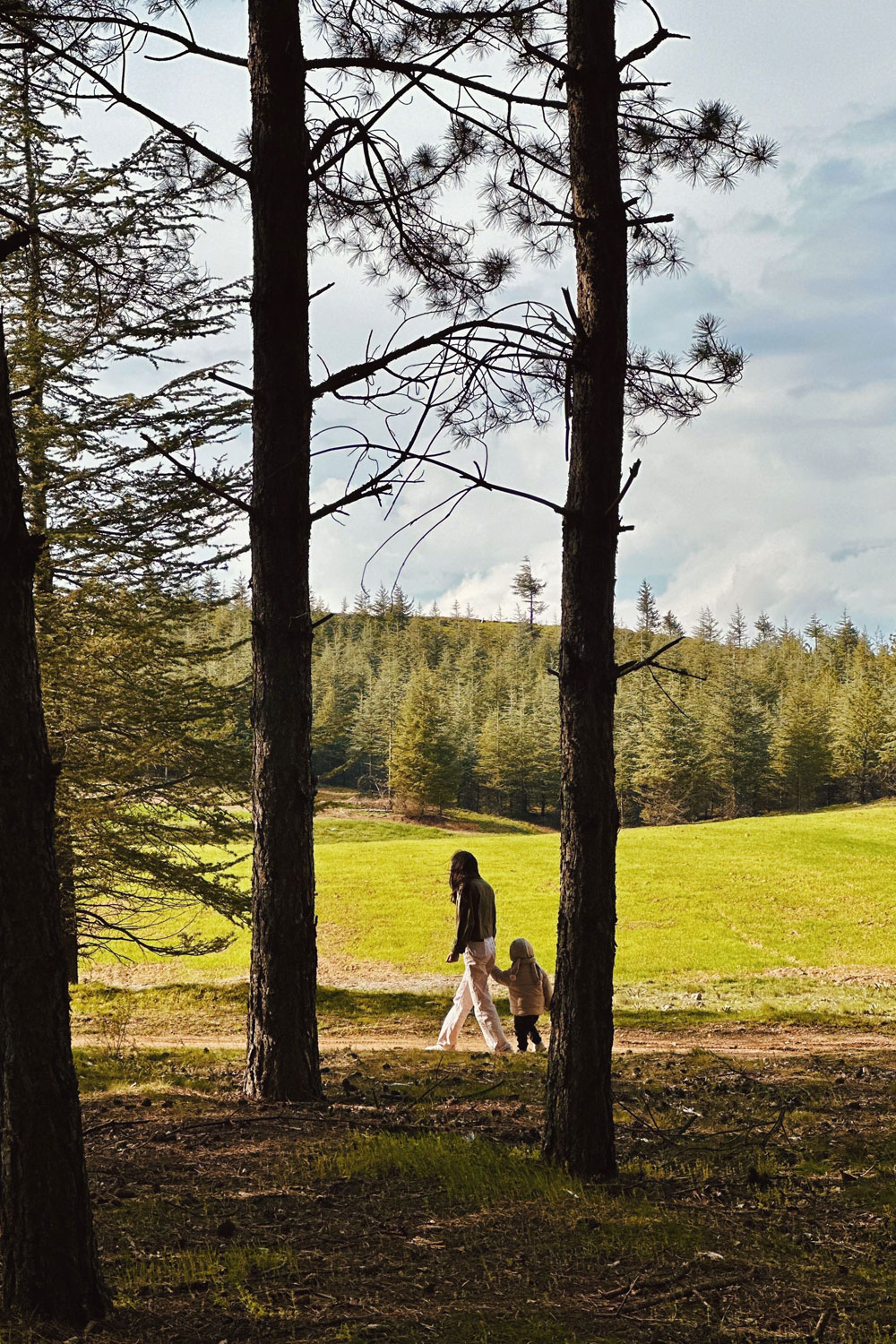
I believe true wellbeing requires us to widen the lens beyond the goals of a relentlessly optimised self. Perhaps we heal not in isolation, but through relationship: to the soil beneath our feet, the water we drink, the food we grow and share, the animals, rivers and ecosystems that sustain us, the fires we gather around, the communities we belong to, and the music that moves us.
Pexels
The Western medical model tends to divide the body into parts: organs, hormones, systems and symptoms. While this has led to extraordinary advances, it also reinforces the idea of separateness. By contrast, ancient traditions such as Ayurveda and Traditional Chinese Medicine understand the body as a microcosm of nature itself. Blood flows like rivers through us. Breath moves like wind. Earth gives the body structure. Fire represents not only digestion and transformation, but the spark of consciousness itself. The elements are not viewed as something outside us, but something that lives within us.
This idea is not just poetic. Water makes up 60 percent of the human body. Modern neuroscience also recognises that our brain cells, known as dendritic arbors, mirror the branching patterns of trees. We are patterned like nature because we are nature.
And yet much of modern society continues to behave as though human wellbeing exists in isolation from the health of the planet itself. The global wellness economy is now worth almost seven trillion dollars – but recent UN reports suggest that for every dollar invested in protecting nature, 30 are spent destroying it. How can we pursue wellbeing while degrading the natural world upon which all life depends?
Our grandmothers regulated their nervous systems without ever knowing the phrase – by watching birds, hanging laundry out to dry, chatting over long, happy lunches and eating cheese made by a local farmer. They likely trusted the hedgerow more than famous strangers. They weren’t optimising; they were simply living in contact with the world.
The tension at the heart of this moment is this: dominating voices often tell us we can engineer a better self, while older healing traditions begin from the premise that we are already whole beneath the noise. One direction says: improve, optimise, elevate. The other says: slow down, breathe in the sky, listen, remember what it means to be human.
Modern wellbeing culture has helped popularise the idea that our lifestyles matter and have a direct effect on our biology. But if we become too self-centric, we risk losing sight of something equally essential: our need for meaningful connection. Which is why this guide turns to nature’s regenerative power. The elements – water, fire, earth, air and ether – are not aspirational, but rather foundational. Walking barefoot. Swimming in a lake. Snoozing by an open fire. Everyday rituals that nourish our souls. Rose oil to open our hearts. Watermelon soup to cool us during the heat of summer. A feeling of returning to something true. Nature offers us perspective, humbles us, and reminds us that mystery and wonder still exist. We need and embrace scientific advances, but the closer we live in harmony with nature, the more harmonious we ourselves feel. Perhaps the future has an ancient heart.
Wellness Stays & Experiences To Channel The Elements