


The Paddleboarder On A Mission To Map The World’s Water Pollution
By
2 months ago
How cancer recovery turned Lizzie Carr into a water pollution whistleblower
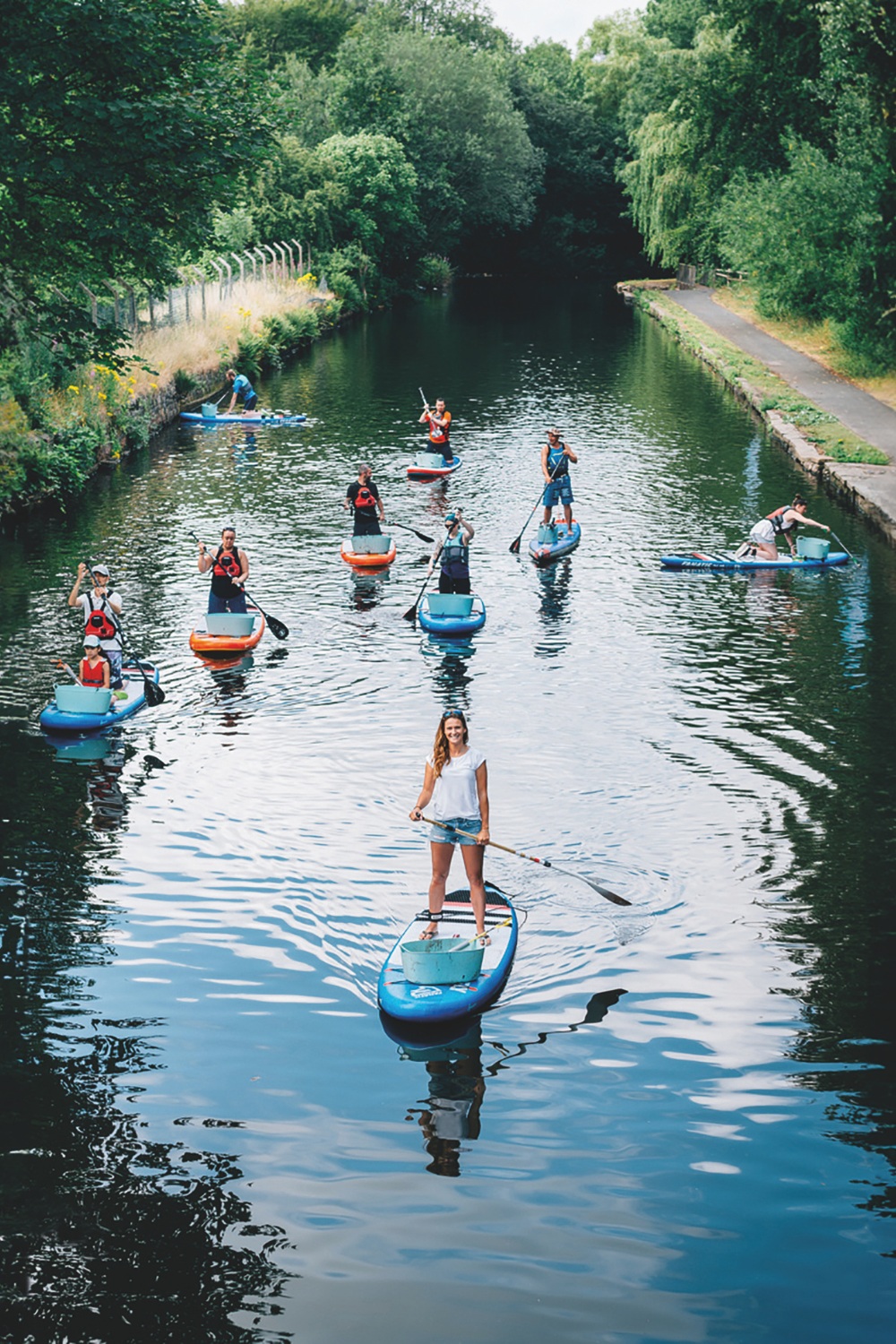
Britain’s relationship with water has never felt more fraught. As drought grips swathes of England and its rivers carry more contamination than ever recorded, one woman has spent the past decade trying to make the invisible visible. Lizzie Carr MBE swapped a career in marketing for a paddleboard, and turned a personal health scare into a global environmental mission. Through record-breaking expeditions and the citizen-science app she built along the way, she has helped hundreds of thousands of people see, for the first time, exactly what is flowing through the water around them. Here, she tells Lisa Grainger how paddling saved her life twice over.
Lizzie Carr’s Planet Patrol: The Fight For Clean Water
Survivors of cancer often say their experiences were life-changing. Lizzie Carr MBE is one of them. ‘My diagnosis [in 2012] was my worst nightmare and also my greatest blessing,’ the 40-year-old tells me from her home outside Nottingham.
An unexpected one, it turns out, was paddleboarding. Staying with her dad on the Isles of Scilly to regain her strength, Carr saw someone paddleboarding out at sea. ‘It looked so peaceful,’ she says. ‘I went to the sailing club and that was that: I fell in love with it. It gave me space to think – or not to think.’
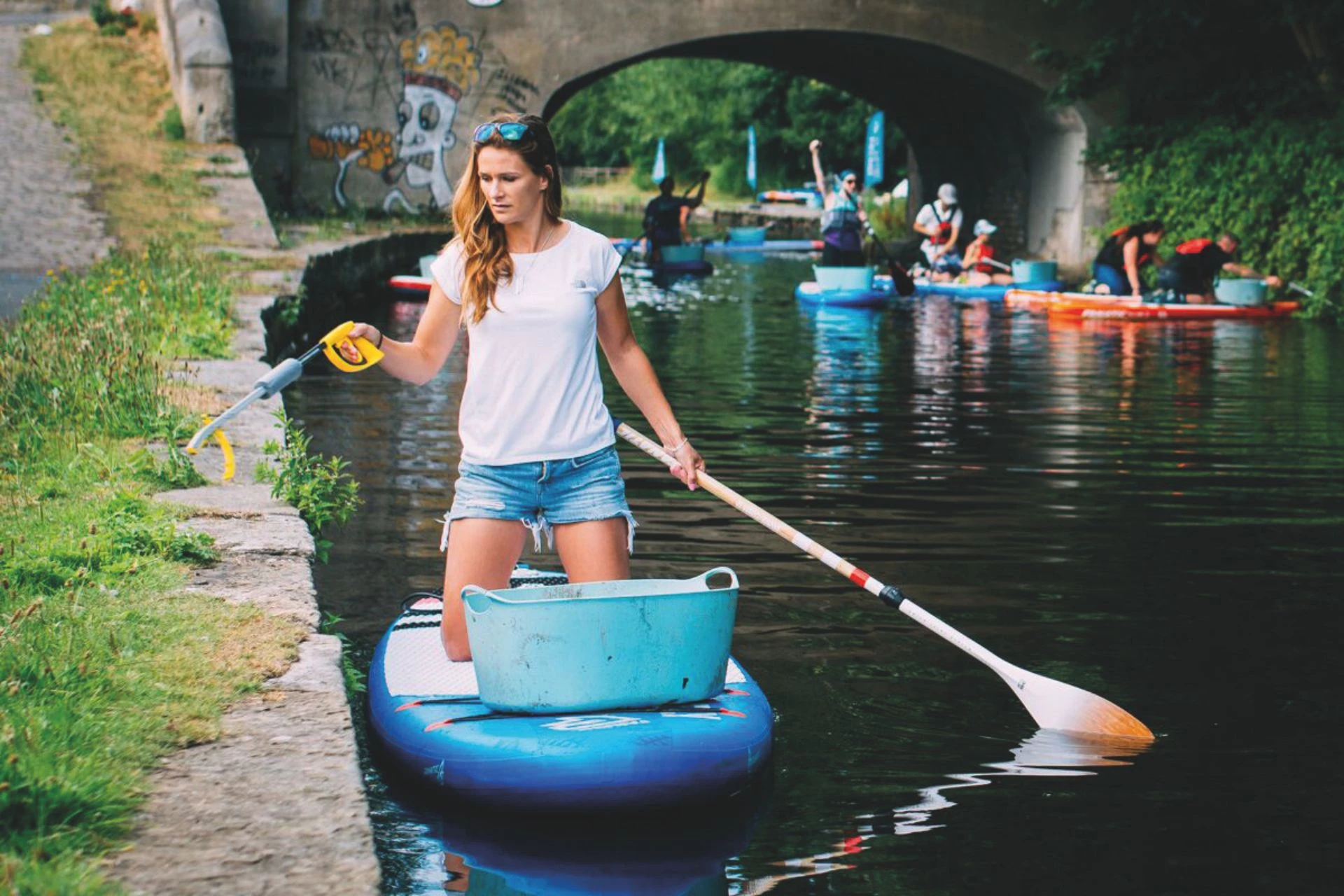
It also gave the former marketing specialist a new life focus: the terrible pollution of our waterways. Out on her board, Carr was distressed to see how much litter was in the water, with bird nests even woven from bits of plastic. ‘It was heartbreaking. I was using the water as a place to help me recover and heal; I developed this protectiveness.’
Most people might have done a litter pick or donated to the RSPB. Carr resigned from her job, left London and devoted herself to raising awareness of our global water pollution crisis by completing three world-firsts on a paddleboard. She traversed the length of England’s connected waterways (400 miles over 22 days), carrying her tent, mini stove and clothes on her board. Then she crossed the English Channel. And finally, she paddled all 170 miles of New York’s Hudson River in eight days.
On each trip, she mapped the pollution she saw, and launched an app, Planet Patrol, on which anyone can pinpoint litter across the world. So far, it has gathered 670,000 reports from 97 countries, which can be used for scientific papers and, ultimately, to hold manufacturers, dumpers, farmers, mines and water companies to account. Planet Patrol also sends out citizen science water-testing kits, allowing anyone to test the quality of what they’re swimming, fishing or rowing in. This has produced ‘scary results’: England now doesn’t have a single waterway that isn’t polluted with chemicals, from raw effluent to mining chemicals, fertilisers and PFAS (a group of chemicals found in everything from clothing to cookware that don’t break down and ‘just accumulate, whether in the water or the human body’).
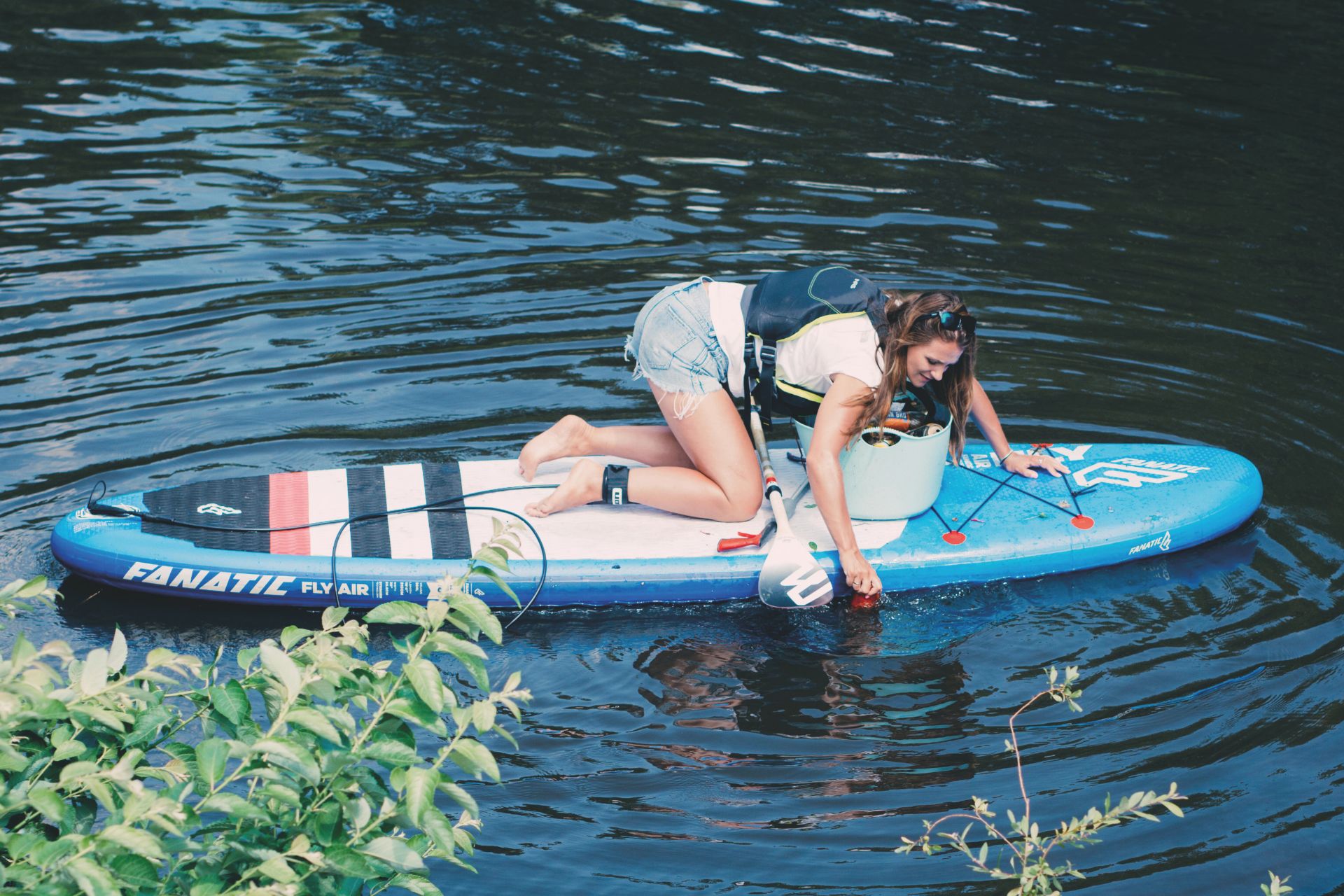
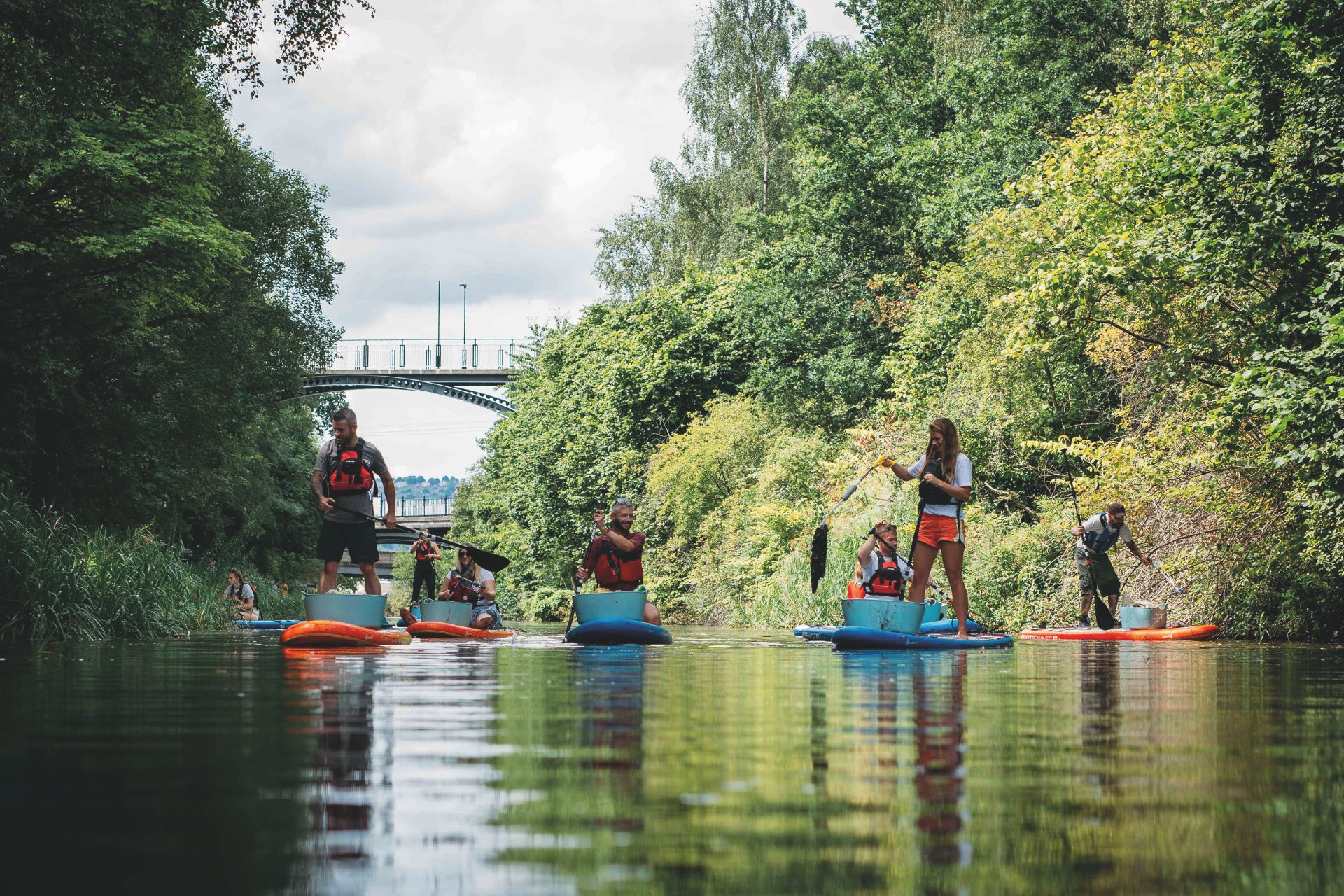
Because our waters are connected across our planet, it’s everyone’s problem, Carr reminds me. The more people who monitor waste, the closer we will be to solving the problem. Already, families are using the app on walks; communities are applying for water-testing kits; and companies are signing up staff to do clean-ups and testing on team-building days, thereby funding Planet Patrol along the way. ‘If everyone became a citizen scientist, there would be pressure on governments to make changes,’ she says. ‘We all need to play our part.’
Early next year, Carr will tour cities across the UK with her documentary film, made with Visionary Pictures, to raise awareness of invisible pollutants. ‘When I got cancer, there was no family history. I need to know if being on the water is increasing my chance of it coming back. I want to know what my daughter will inherit, and try and make that world better.’
Download the Planet Patrol app at planetpatrol.co