





How To Start Wild Swimming This Autumn
By
3 hours ago
From what to wear to where to swim, here’s what beginners need to know before taking the plunge.
Wild swimming doesn’t need to end with summer, as early autumn brings fewer crowds, changing leaves and water that has not yet reached its coldest. For those tempted to swap the lido for something a little wilder, it pays to know where to go, how to start and, most importantly, how to stay safe.
Ella Foote, Founder and Director of Dip Advisor, and author of How to Wild Swim shares her expertise as to how we can wild swim safely and the best London locations to try.
C&TH’s Guide To Wild Swimming
What Is Wild Swimming & Where Are The Best London Spots?
Wild swimming is often sniffed at – isn’t it just swimming? No, it isn’t, it is wild because there are many other things to consider, unlike pool swimming. Swimming wild is swimming outdoors in the natural environment. It is reeds brushing legs, mud between toes, wildlife encounters and sweet smells of flower and fauna. Often you can’t see the bottom and it can be cold, open to the elements and weather.
It has become popular due to the many anecdotal and some proven benefits. I like it because it is playful and childlike; adulting is tough so it is an escape. I love immersing in nature, eyes and earth level and witnessing the beauty of our environment.
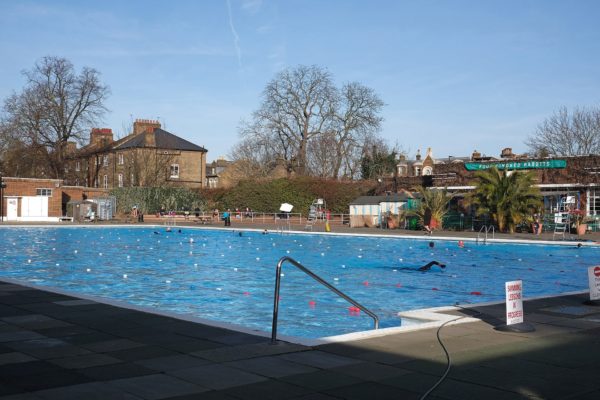
Surprisingly there are wild places to swim in Central London, such as:
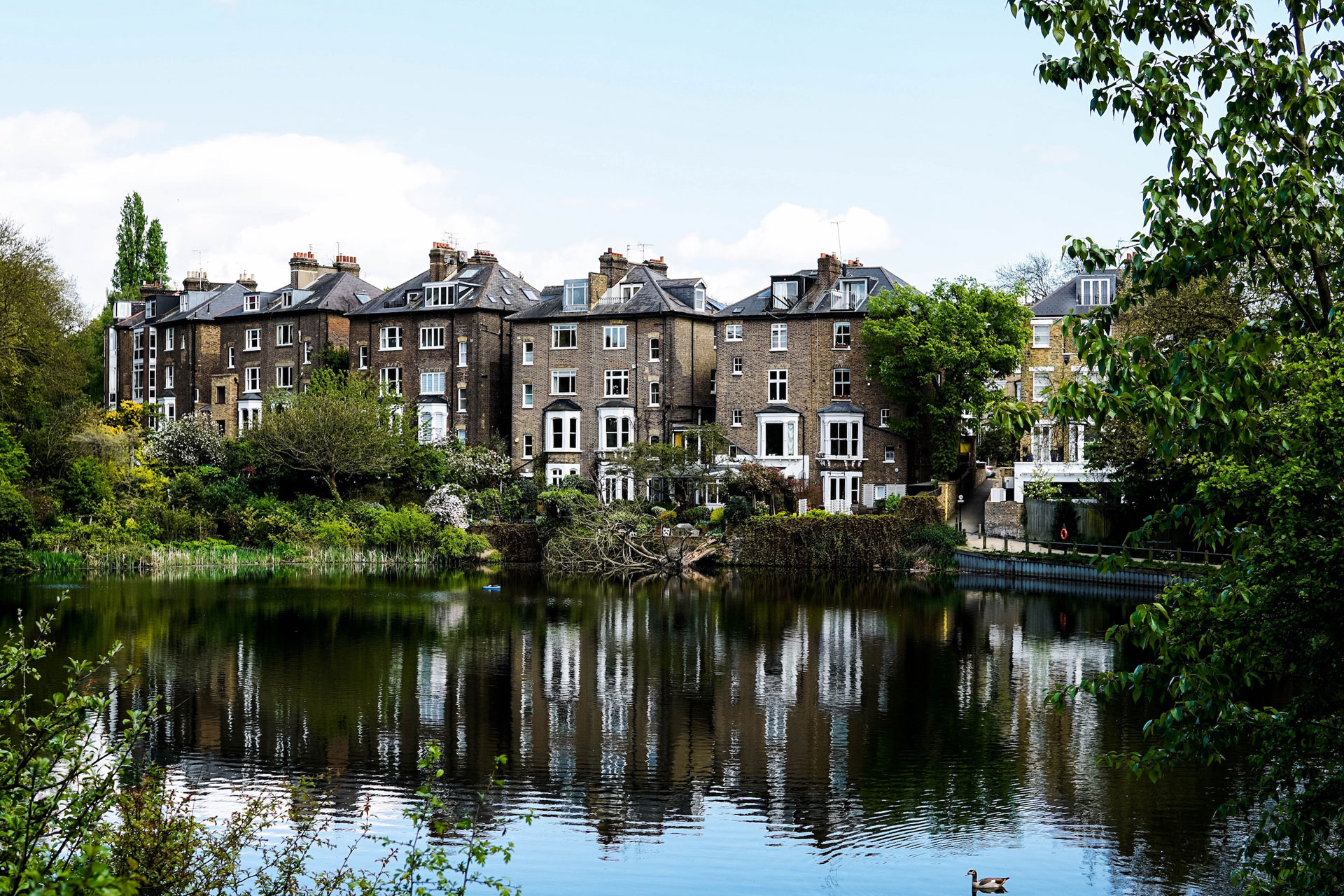
- Hampstead Ponds, there is a ladies’, men’s and mixed pond.
- South London head to Beckenham Park
- Hyde Park in the Serpentine
- West Reservoir near Stoke Newington
- Canary Wharf
- Royal Docks
- Shepperton Lake, near Sunbury
- Denham Lake, near Uxbridge
- River Thames, Teddington
What Are The Advantages?
Swimming is a fantastic form of exercise; it uses all muscles in the body and is low impact. So long as you learn how to swim, it is something you can do your whole life. Like all exercise, swimming is great for both mental and physical health. If you take your swimming outside you are increasing the benefits by exposing yourself to natural daylight and immersing in nature, both proven to improve mood and overall wellbeing. If you make outdoor swimming part of your routine you will notice improvements in your immune system, resilience, mood and overall health. Breathing fresh air, overcoming cool temperatures and moving your body in a mindful way through swimming can do wonders for your productivity and attitude.
When Is The Best Time To Do It?
Spring/summer is a brilliant time to start. The water is still cool as the weather warms. If you want to become a winter outdoor swimmer it is good to keep swimming from now into the winter at least once a week and you slowly get used to cooler water (here are some tips for cold-water swimming). Essentially you can swim all year round outdoors, a lot of venues listed above open 12 months of the year now.
If you swim before work, it can give you a sense of achievement and zing to get you going and often make you more productive. But there is also nothing better than washing the day off in wild water at dusk. Hot, sunny days will be busier than grey/wet ones but that can be just as enjoyable.
Any Top Tips?
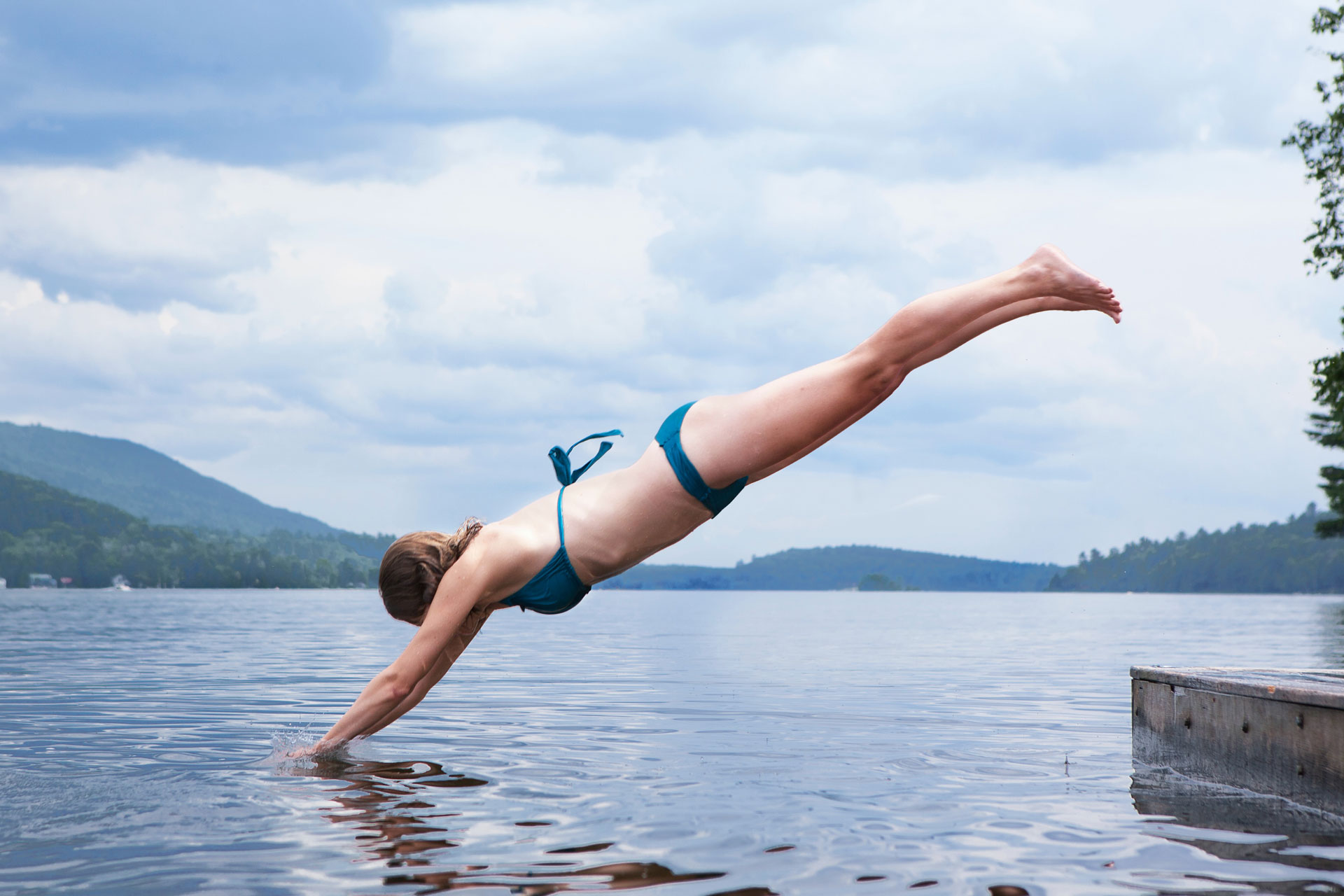
- When was your last swim? I don’t mean lounging about on holiday dipping a toe here and there! But proper swimming. Can you swim at least 25 meters without stopping or putting your feet down? Can you float on your back or tread water keeping your head above the waterline? Consider these things before you take the plunge.
- Outdoor swimming is a brilliant form of exercise and can be a fun or calming pastime. The more you do it the more you will understand how water moves, changes and is affected by weather.
- Start off slow, with short swims to understand you and your body in the water. Swim your own swim, don’t feel you have to swim as far or fast as others.
- Learn some basic skills to keep yourself safe, like checking weather forecasts, learning to swim in choppy water or when you can’t see the bottom. If you go to swim and something doesn’t feel or seem right, trust your instincts, it probably isn’t. There will always be another day to swim!
- Swim at venues with lifeguards to begin with before you head to wilder places – all above have them apart from the River Thames.
- Wear something comfortable in the water. Consider a swim-wetsuit. They can be hired/borrowed at many venues. These keep you warmer and more buoyant in the water.
- Consider seeking a coach or guide who can introduce you to swimming outdoors.
- Do some research, places like Outdoor Swimmer magazine have loads of advice and inspiration.
For more practical advice before taking the plunge, read How to Wild Swim by Ella Foote or find guided swims and further information at Dip Advisor.