


7 Wellness Trends Set To Dominate 2027
By
40 minutes ago
Here's what's hot in the health and wellbeing world right now
This year was all about creatine, infrared workouts and fibre. But which wellness trends will take over 2027? From an increase in cooling therapies to combat rising temperatures to the backlash against over-optimisation, here are some of the key health and wellbeing themes experts predict will dominate the next 12 months.
Top Health & Wellness Trends For 2027
Anti-Optimisation
There’s a growing backlash against obsessively tracking our health data, and as a result many experts predict anti-optimisation will have a moment in 2027. We’re prioritising enjoyment, and not neglecting health but combatting issues when they arise rather than constantly seeking out stats – according to Holland & Barrett’s report, 57 percent of people only listen to their body when something already feels off. ‘I think we’ll see more people questioning the ongoing pressure to optimise,’ says Cheryl Kennedy MacDonald, a psychotherapist and founder of Female Focused Therapy. ‘Tracking can be great if used the right way, but when you wake up feeling reasonably rested and an app tells you that you’ve didn’t sleep well, is that really helpful? For some people, monitoring everything becomes another thing they worry about, particularly if they’re already anxious or perfectionist.’

Getty Images
Cooling Rituals
This summer was the UK’s hottest on record, and the Met Office is warning that 2027 will be even toastier. As well as sparking a surge in air con sales, these soaring temperatures are prompting wellness brands to focus more on cooling therapies. Holland & Barrett’s 2027 wellness trends report highlights that the global hydration supplement market is on track to grow from £31 billion in 2026 to £66 billion by 2036, with nutrition brands formulating products specifically for higher temperatures. Electrolytes have been a hot topic for a couple of years now, and no doubt interest will continue to surge next year – with Holland & Barrett noting functional frozen treats reinforced with electrolytes as one of the fastest-growing corners of the category. Meanwhile, people are turning to traditional Chinese medicine techniques, such as chrysanthemum tea, mung bean soup and honeysuckle, all of which are believed to help cool the body.
‘Heat affects everything – our energy, hydration, skin, even how we exercise,’ says Emily Reed, Holland & Barrett’s head of innovation pipeline. ‘No wonder cooling is becoming such a hot space in wellness right now. It goes well beyond electrolytes and the boom in functional ice cream – we’re seeing whole new formats, formulations and rituals built around living well in a warmer world.’
Salt Therapy
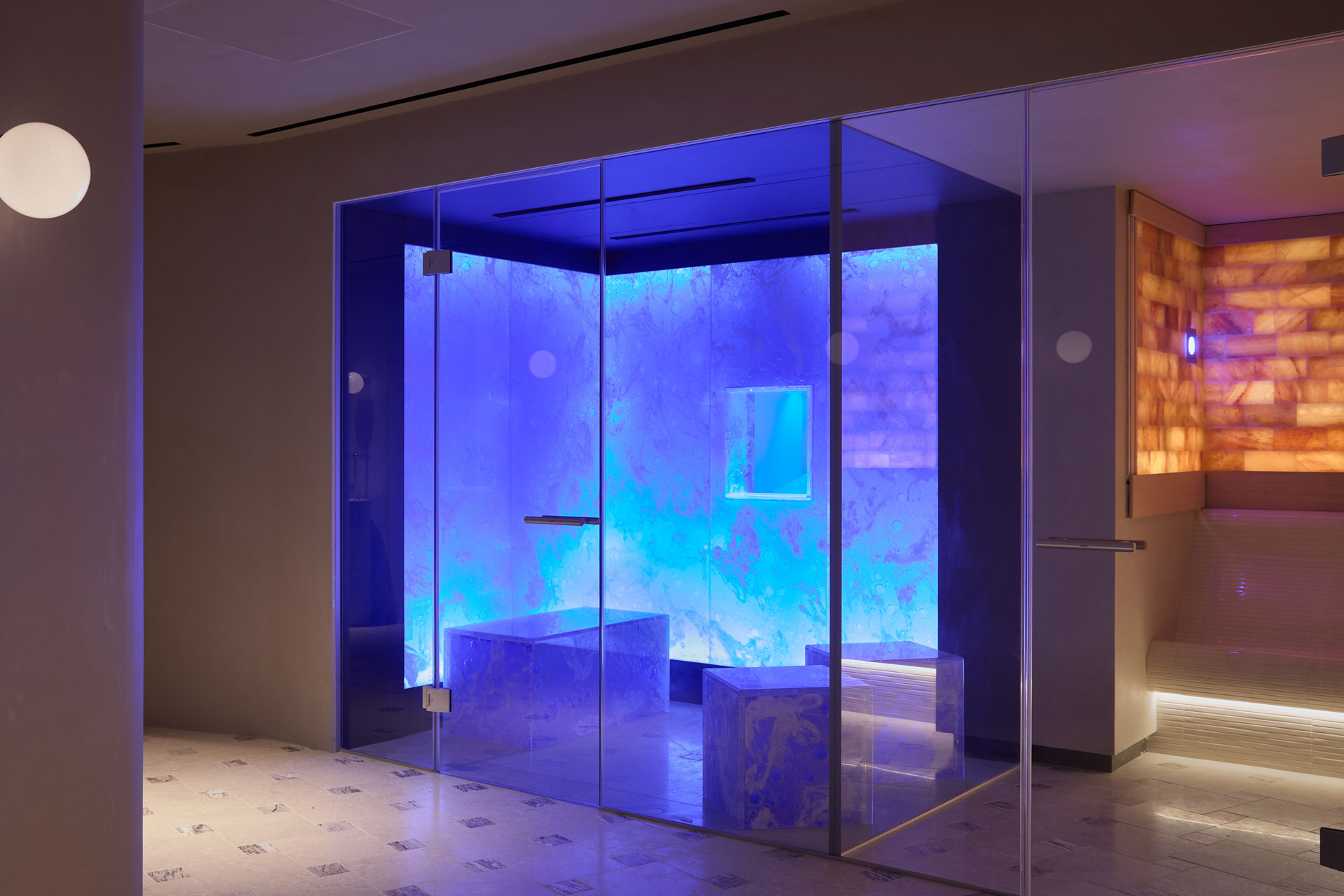
Halotherapy, also known as salt therapy, has been on the up in the US for a few years now – and now the UK is beginning to catch on. Sessions involve lying in ‘caves’ where pharmaceutical-grade salt is pumped through the air, believed to help with respiratory and skin conditions as well as post-exercise muscle recovery. In America there are over 3,000 registered practices (in 2013 there were just 50), and a report suggests the global salt therapy market will grow by more than nine percent in the next decade. On British soil, buzzy Fitzrovia hotel The Newman is leading the way with its dedicated halotherapy room, created in collaboration with Stockholm-based spa specialist Raison d’Etre.
Brain Tweakments
It’s not just our foreheads that are getting the tweakment treatment: now attention is turning to that all-important organ behind them. Once reserved for medical neurology wards, brain-boosting technologies – which claim to restore and sharpen our minds – are all the rage right now. iSyncWave, for instance, is a neurotherapy helmet which is popping up in more and more longevity-focused clinics, and works to map brainwave imbalances and minimise the effects of chronic stress on the brain. There’s also ExoMind: an FDA-approved, non-invasive therapy which builds on the established method of Transcranial Magnetic Stimulation (TMS), long used to manage conditions like depression and anxiety. ExoMind uses targeted electromagnetic energy to influence the parts of your brain which govern things like mood, impulse control and stress regulation (here’s our beauty editor’s review). ‘Neuro-wellness is the missing link in modern self-care and burnout isn’t just about feeling tired, it’s a neurological overload,’ says Dr Preema Vig, whose Mayfair clinic offers the treatment. ‘ExoMind allows us to support the brain in the same way we support the skin, helping patients reset, recalibrate and feel like themselves again.’

Runners stream through the medal gates on The Mall during The TCS London Marathon on Sunday 23rd April 2023. © Adam Warner for London Marathon Events/TCS London Marathon
Endurance Sports
Does it feel like everyone on your social media feed is training for a marathon right now? You’re not imagining it, the world of endurance sports has exploded recently. A record-breaking 1.33 million people applied to the London Marathon ballot in 2026, prompting organisers to introduce a one-off, two-day event next year. And for many people, 26.2 miles isn’t enough: ultramarathons are becoming increasingly popular, with RunRepeat reporting a rise of 1,676 percent in ultra marathon participation over the past 23 years. Research from SportsCoverDirect, meanwhile, found a 77 percent year-on-year rise in travellers taking out specialist cover for ultramarathons abroad (‘sweat-jetting’ holidays, where people plan their trips around races, is one of the biggest travel trends for 2027).
Bespoke Becomes The Baseline
An overriding theme in wellness at the moment is personalisation. This is particularly the case when it comes to supplements, notes Dr Megan Rossi, known by her online moniker The Gut Health Doctor. She points out the ‘move away from generic, one-size-fits-all supplements towards more targeted, specialist formulations,’ adding that ‘people are beginning to recognise that more ingredients do not necessarily mean a better product; what matters is whether the specific ingredient, dose and formulation are backed by evidence for the intended purpose.’
Personal trainer Aimee Victoria Long has noted a shift when it comes to fitness, too: ‘training is becoming more personal, more intelligent and more integrated into how people actually live.’ Of course wearable tech plays a role in this, monitoring unique health data like sleep and exercise performance and making recommendations based on that. But people are going further than their smartwatches: Long has seen a rise in clients seeking out more advanced biomarker testing like DEXA scans and continuous glucose data.
Digital Minimalism
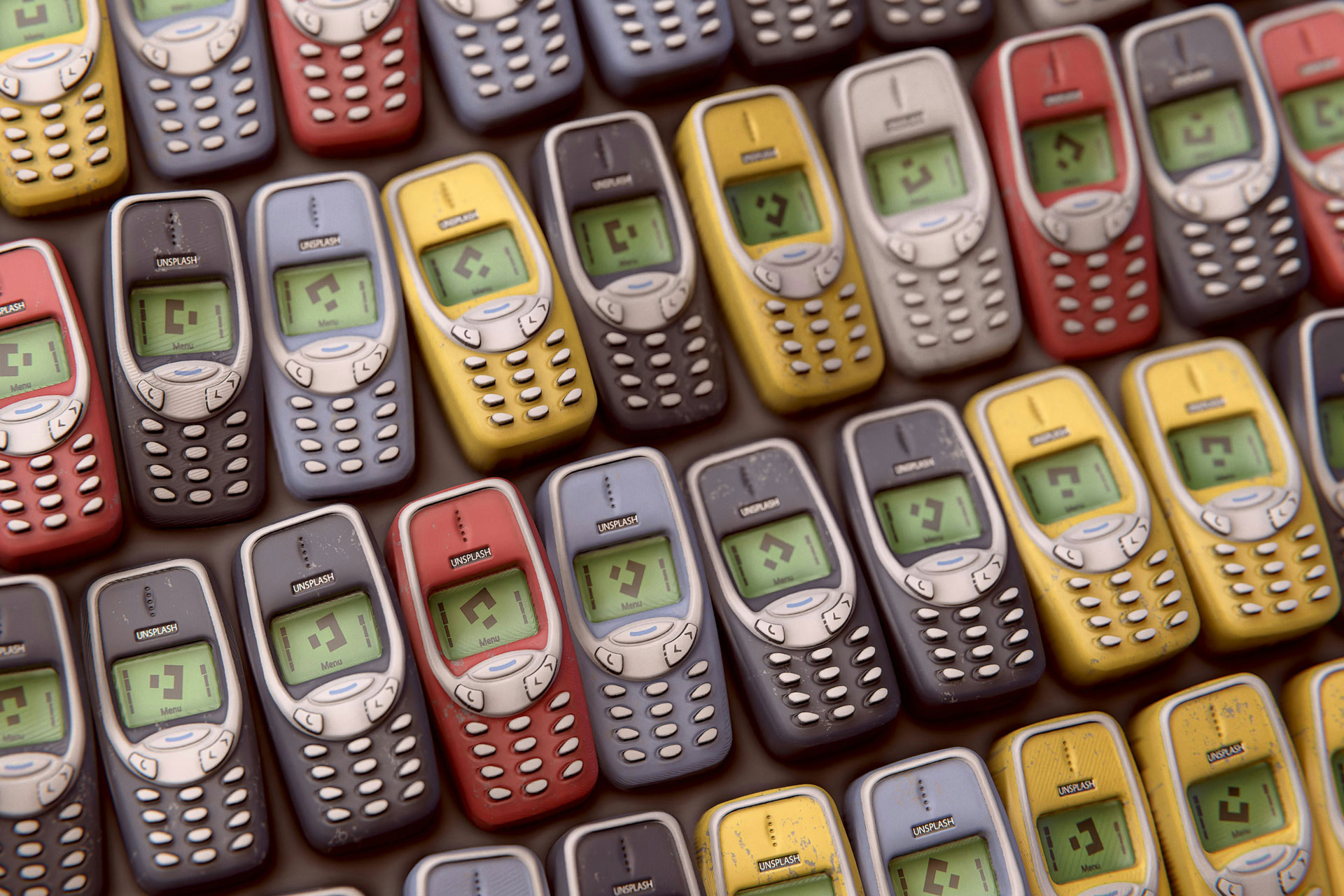
We highlighted digital detoxing as one of the biggest wellness trends for 2026, and the phone-free movement will continue to gain traction next year. Nutritionist Kim Pearson notes the ‘growing desire to reclaim our time and attention from our phones as we become increasingly aware of the impact that excess screen time can have on our attention span, sleep and wellbeing.’ Dumbphones – basic mobile phones without many of the smart features we’ve become accustomed to – are on the rise, with data showing sales jumped by about 148 percent from 2021 to 2024. The Brick, too, is garnering a lot of buzz right now: the device selectively blocks access to distracting apps (Pearson describes it as a ‘game changer’ for her).