



Learning How To Be Bored Is More Important Than Ever
By
5 months ago
How can we keep our kids away from screens if we're terrified of boredom ourselves?
Growing up in the 1980s, summers for me meant embracing boredom on a regular basis. Having been raised on European road trips, where air conditioning was considered a luxury (which we didn’t have) – let alone visual entertainment – it meant a lot of staring blankly out of the window, a fair amount of sibling bickering and, when the hallowed Sony Walkman arrived one Christmas, listening to Madonna on repeat. Constantly chastised at school for daydreaming, were I to learn later on in life that this can be a ‘superpower’ I would have stuck at it.
I vowed that any offspring of my own would not spend their heads in screens, so last summer we took off on a three-week jaunt to Saint-Jean-Cap-Ferrat in the South of France and back. We hoped to drum up excitement with our action-packed itinerary, from the mini golf courses of Le Touquet to the crumbling châteaux of mid France. However, the only thing Amelia (seven) and Beatrice (four) cared about was whether their iPads would work in the car. Explaining that no, they wouldn’t, the summer of boredom commenced. Armed only with a few activity books and hours of cinematic Gallic vistas for inspiration, we began our grand tour. I told my girls, as they whined about how ‘boring’ the eight-hours-a-day drive would be, that it is about the journey, not the arrival.
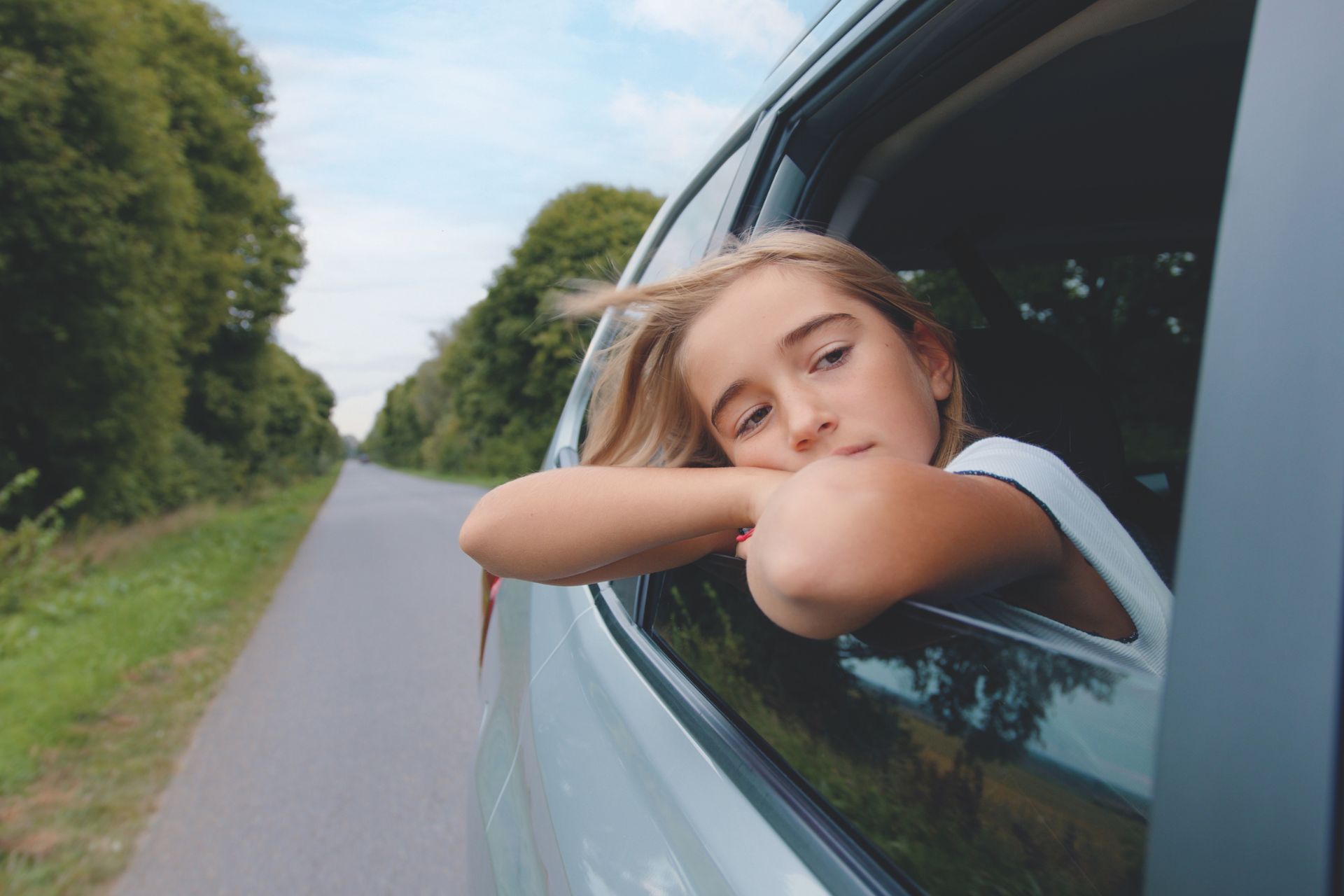
‘I spotted a familiar look: the middle-distance stare that kept me going for never-ending stretches during my own childhood. Soon the girls’ minds were full of their own fantasy lands – and we realised we hadn’t heard “I’m bored” for the last four days.’ Credit: Getty
The Magic Of Boredom For Kids – And For Adults
As we pulled up to the arcadian estate Le Barn, only two hours from Le Touquet, the ennui had already set in and ‘I spy’ had run its course (the agricultural swathes of northern France had started to lose their appeal). Yet, as the sun cast its glow on a palomino filly and her foal in knee-high grass, a calm overtook the girls. The hotel recalled holidays of a golden age: there is no kids’ club (even as their greatest fan, if there is one culprit for not bringing back holiday boredom, kids’ clubs might be it). Instead, there is a single swing, a badminton net and a swimming pond with acres of forests beyond.
A few days here, and everyone started to reset. Adult phones were downed as we walked through ferny forest to the sound of birdsong. A sole archery set provided diversion for the bunch of multilingual children who followed each other like an Enid Blyton tribe.
The road trip after this took a turn for the better. As we snaked south towards Provence, our eight-hour stint punctuated by multiple stops for jambon baguettes, the girls began to create their own entertainment. They counted car colours; paper dolls were crafted from hankies and became princesses for the day. Then at some point, between the vineyards of Whispering Angel and the golf courses of Terre Blanche, our next stop, I spotted a familiar look: the middle-distance stare that kept me going for never-ending stretches during my own childhood. By the time we drew up to the fairytale Grand Hôtel du Cap-Ferrat, the girls’ minds were full of their own fantasy lands – and we realised we hadn’t heard ‘I’m bored’ for the last four days.
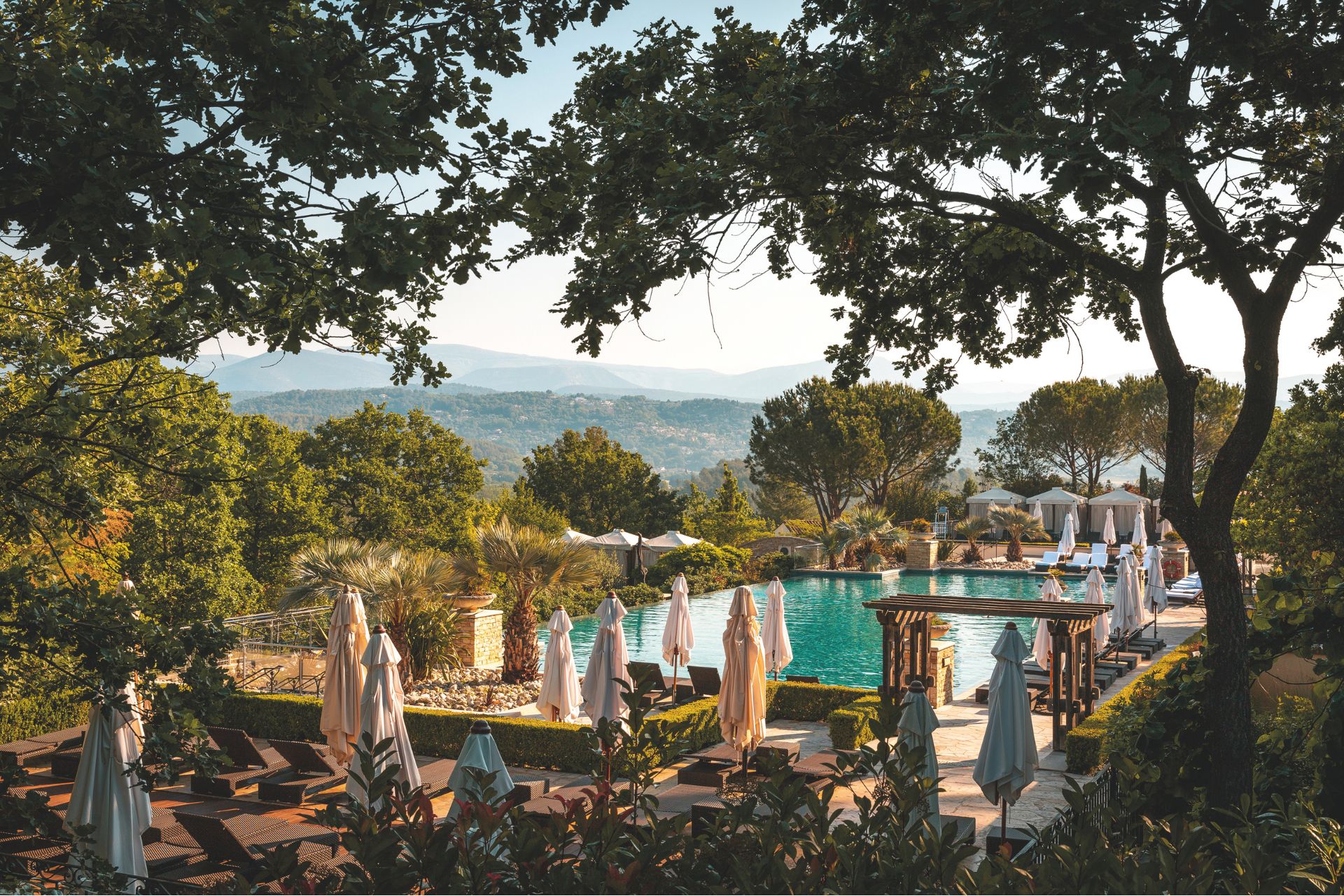
By the time the family reached Terre-Blanche Hotel, Sisson’s children had started to learn how to lean into boredom
The Science Behind ‘Doing Nothing’
Two months later and I have checked into Palazzo Fiuggi, nestled in the Ernici mountains in Italy, to test drive a new metabolic health retreat, part of which is about reducing dopamine spikes. Overlooking pine-swathed hills, Dr Fabrizio Di Salvio explains just how beneficial ‘doing nothing’ is. He prescribes this alongside herb-scented trail hikes and contrast therapy. ‘Boredom is good for you. We have become too dopamine addicted through overstimulation and could all do with a dopamine detox,’ he explains. ‘When the brain is no longer constantly stimulated, it shifts into what neuroscience calls the “default mode network”. Reducing continuous digital and cognitive stimulation helps lower chronic cortisol exposure, supporting autonomic balance and sleep quality.’
Louisa Canham, clinical psychologist and founder of La-Eva, adds: ‘Against a backdrop of continuous overload, boredom teaches us patience and the opportunity to tolerate – or even better, enjoy – less external stimulation,’ she says. ‘Boredom can be a portal to one of the brain’s most deeply restorative states: mind-wandering. Daydreaming is in many respects an opposite state to what we experience when we are focused on a screen, scrolling or watching a programme.’
When we mind wander, we are essentially in a state of free-flowing association. Thoughts, images and ideas pop up and we follow along with them, not seeking any specific outcome, not always finishing the train of thought. ‘Research has shown that when we daydream, we feel less stressed and put upon,’ says Canham. Going back to the 1950s, psychologists have demonstrated an impressive list of benefits of our minds flowing freely: increased creativity, higher curiosity, improvements in planning, a future-focused mindset, better problem-solving.’
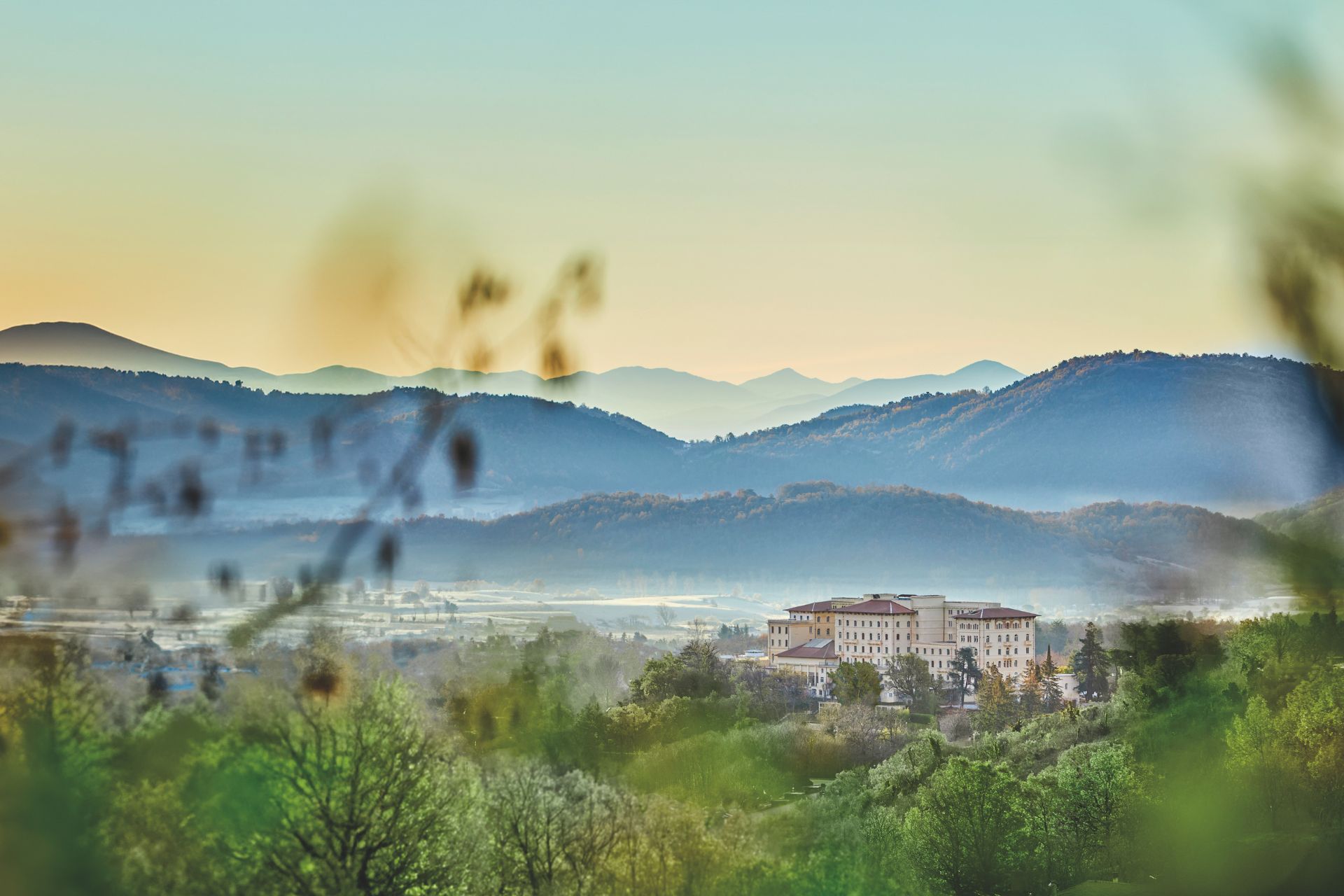
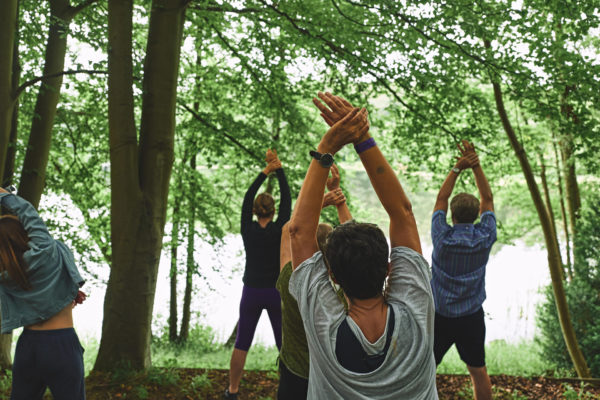
At Palazzo Fuiggi, Dr Fabrizio Di Salvio prescribes ‘doing nothing’ for dopamine addiction. Credit: Tyson Sadlo @ Herd Represented
How To Fight The Fear Of Boredom
In her fascinating book The Upside of Downtime, Sandi Mann says that our frenetic lives mean ‘we are losing the ability to tolerate the routine and repetition of everyday […] and it is the motivation to reduce this ennui that leads us in a never-ending quest for stimulation’. The psychologist argues that we need to embrace rather than fight boredom, as it instils ‘creativity, intelligent thinking and reflection’.
Through constant overstimulation – from screens to having things available immediately (for those of us who remember Sunday opening hours and IRL-only shopping, the day of rest was exactly that) – we have forgotten how to wait for things, how to be needy for things. The more stimulation we get, the more we require, so to stabilise our dopamine receptors we need to carve out periods of time. This can mean walking and not doing anything other than putting a foot in front of one another. Who remembers seeing people sitting on park benches doing nothing, staring into space? They had the right idea. Helicopter parenting and the carnival of after-school clubs have filled the space that previously belonged to the aimlessness of childhood (‘I’m bored’; ‘Well go and find something to do’ was the frequent refrain, alongside ‘only boring people get bored’).
‘In a culture that is almost terrified of stillness, boredom may be one of the last remaining doorways back to the self,’ says Fiona Arrigo, biodynamic psychotherapist and founder of The Arrigo Programme. ‘Boredom is not an absence, it is a threshold. Beneath boredom lies creativity.’ So, as I have told my children – and myself – never be a bore if you can help it, but sometimes doing less really is more.