


Where Sustainability Becomes Design – Not Compromise
By
5 months ago
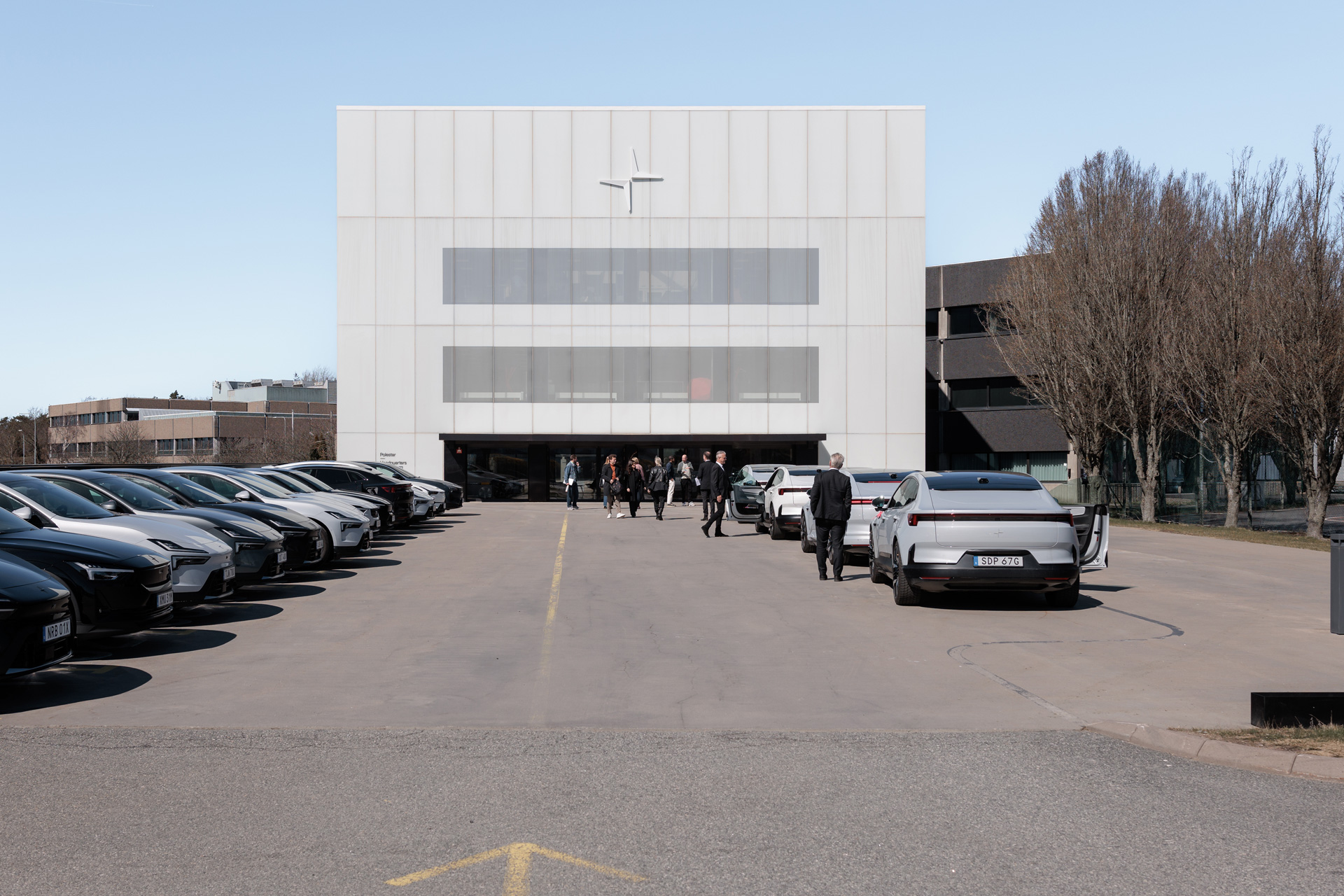
We went behind the scenes at Polestar's Gothenburg HQ
In a year when it feels many brands and policymakers are setting aside sustainability commitments, it is invigorating to encounter those choosing a more considered path. In the cobbled streets of Gothenburg, just as spring began to blossom, Polestar took me behind the scenes of their approach. This is an industrial city where design does not announce itself. It reveals itself through material, function and restraint. And that is the crux of this EV brand: sustainability is engineered, not styled. The two coexist in quiet harmony.
How Polestar Is Doing Things Differently
Where other automotive brands position electric vehicles as their solution to the climate crisis, this is a team that understands its complexity. Crucially, it must be one of the few proving an alternative to traditional business growth that exploits the planet: since 2020, Polestar reduced emissions per sold car by 31 percent while growing global sales beyond 240,000 vehicles globally in under six years.
If we are to reach climate goals, the shift to electric is not enough, and sustainability cannot be concocted by marketeers in silos years after initial design meetings. At Polestar, the emphasis is firmly on substance over spectacle. Fredrika Klarén, the brand’s Head of Sustainability and one of the most compelling voices I have encountered in this space, opened our afternoon with a simple line from the annual report: ‘No headlines.’ It is a quiet but pointed rejection of the greenwashing so often seen across the industry. Instead, the focus is on sustained, behind-the-scenes progress – a deliberate effort to decouple emissions from growth. It is from this position that Polestar’s wider philosophy becomes clear: performance, aesthetics and environmental responsibility are not competing priorities, but interdependent ones.
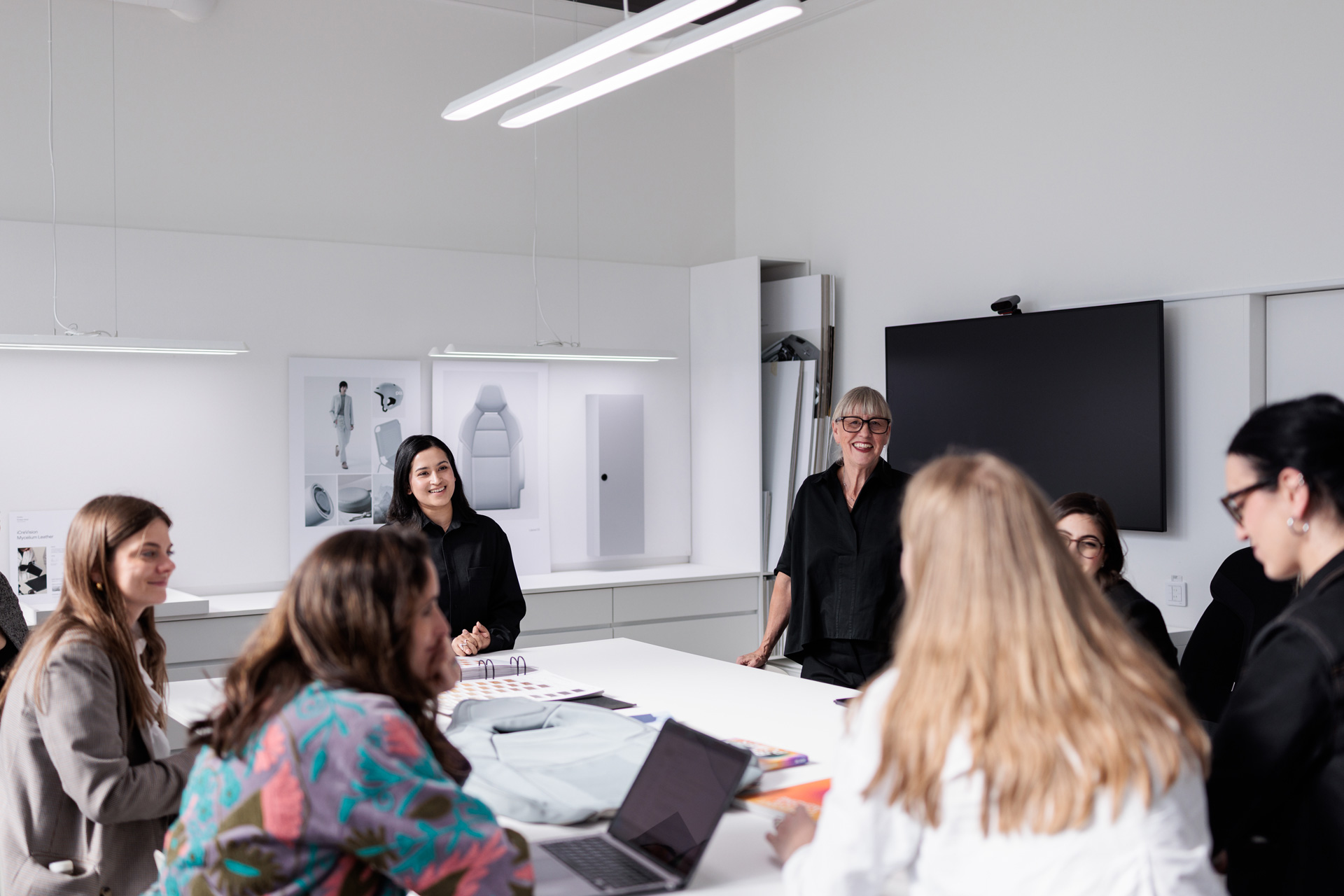
With a career that began in fashion and has since transitioned into interiors and textile design, I am well aware of the tension between a design team’s aesthetic vision and a company’s commercial realities. How striking, then, to step into the light-filled design studio here in Gothenburg. Maria Uggla, Head of Colour, Materials and Form Design, and Colour & Material Design Expert Komal Singh together present a radical yet entirely logical approach. For too long, design has been confined to surface appearance and clever styling. Here, it is something far more foundational. Uggla and Singh design products for a cleaner future, working in tandem with sustainability and research and development teams, placing demands on materials and processes with rigorous detail and relentless passion.
The Design Process
When I asked Uggla whether she begins with environmental parameters or aesthetic vision, her response was simple: neither. They coexist. This is a team that sees challenges as a catalyst for more creative solutions. When it comes to materials, they never buy ready-made but develop them from scratch with suppliers, never fighting the material but remaining agile to its qualities. The cars are the expression of this thinking: the SUV Polestar 3 uses 80 percent post-industrial waste aluminum in its interior panels, traceable wool in its seats (made from 80 percent percent wool, whereas most cars use closer to 30 percent), and low-carbon leather from Bridge of Weir (an existing bi-product of the meat industry which would otherwise go into landfill). These credentials do not come at the expense of tactility. This is wool that feels like a finely tailored suit, and leather sourced from the same supplier as leading luxury houses such as Mulberry.
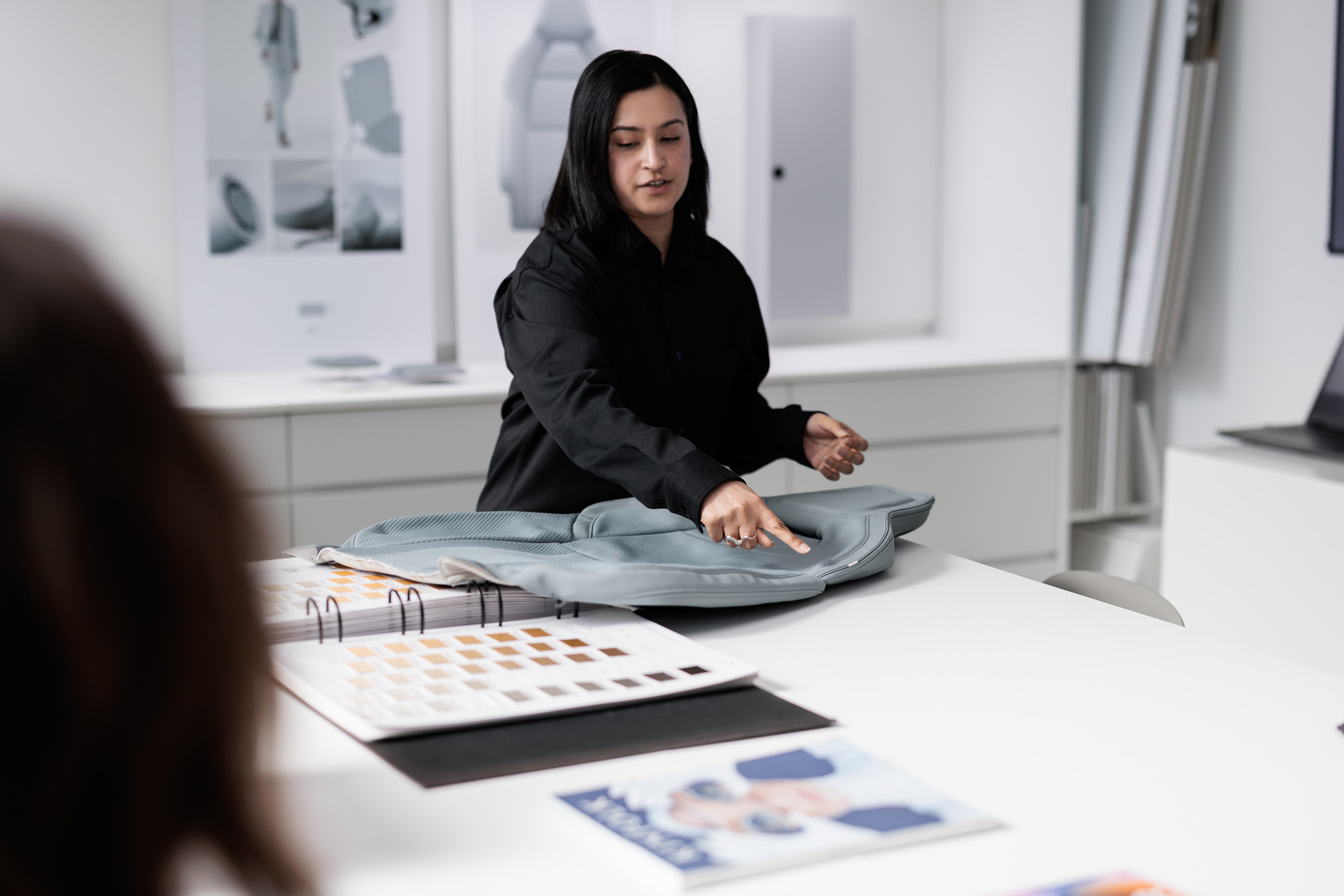
The new Polestar 4 considers the afterlife of the car too, reducing material complexity through mono-material design and a tailored knit upholstery that fits immaculately over the seats. Knitted to shape with zero waste, it takes cues from performance textiles seen in sports footwear and fashion. This is an aesthetic shaped by environmental intent – not limited by it. Limitations sharpen creativity, an ethos deeply familiar to me in my own discipline, working with the heritage craft of block printing. It may, on the surface, feel worlds apart: entirely handmade, from the carving of the block to the stamping of the fabric. Yet like any centuries-old technique, it is governed by constraints – from the weather to the nature of the fabric to the fineness of detail. The ability to learn from those limitations, and from another practice (in my case the artisans, in Uggla’s the R&D team), only serves to heighten the potential for creativity.
The Team
Speaking of her colleagues across the company – Uggla, one of Polestar’s earliest employees, remarked that they are ‘united by nerdiness and a passion to do things differently’. Nowhere was this more evident than during our visit to Mission 0 House. Founded as part of the Polestar 0 Project – the ambitious goal to create a truly climate-neutral car without offsets – this dedicated research hub brings together leading academics, scientists and engineers beyond Polestar to rethink materials and manufacturing from the ground up.
Hans Pehrson – the mission lead – described the concept simply: one team, one task, one place. A way of working designed to tackle questions that remain largely unresearched, from textile innovation and low-impact dyeing to genetic engineering and ultra-low-carbon steel. The structure is deliberately fluid, without hierarchy, with teams working in close proximity. As Pehrson noted, it is only under these conditions that ideas can become genuinely collaborative. Without this kind of foundational research, progress towards net zero risks plateauing. It is a way of working that feels closer to craft than industry – where proximity, curiosity and shared intent shape the outcome as much as the process itself.
After a stimulating day of thought-provoking discussion, we travelled by electric boat with Hans, Maria and Fredrika to Styrsö Island in the Gothenburg archipelago. Over a local, seasonal dinner, lit by the slow drift of the Swedish blue hour and surrounded by nature at its most peaceful and abundant, the guiding ethos of these dedicated pioneers crystallised in my mind. For them, environmental responsibility does not present obstacles but an opportunity for new thinking – expressed through fewer materials, intentional decisions, circular systems and, above all, a deep understanding of the relationship between making and impact.