


Meet The Founders Of Extra Virgin Olive Oil Subscription Oliiv
By
2 months ago
We caught up with Chris Averill and Frankie Arpino to find out more about their sustainable practices
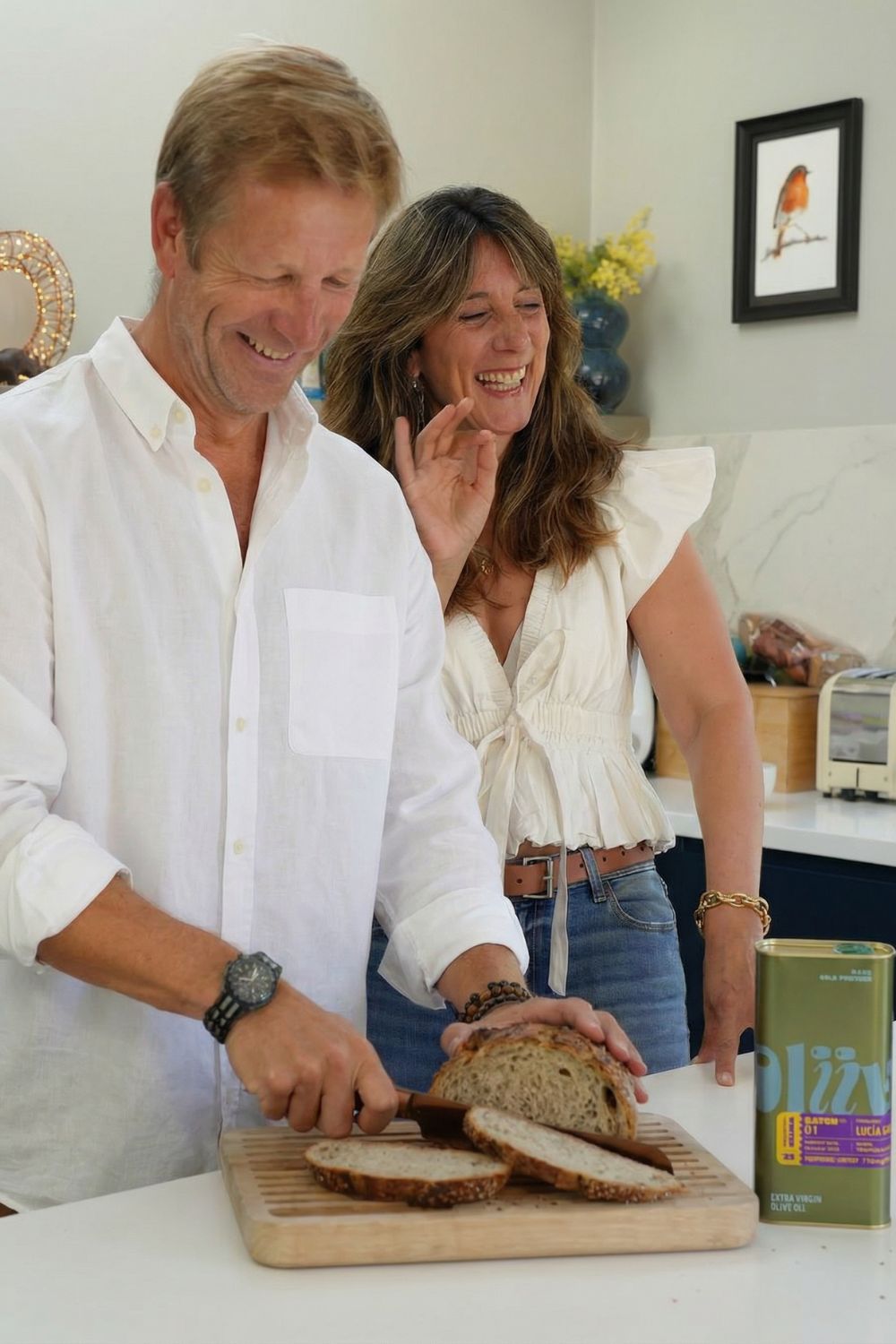
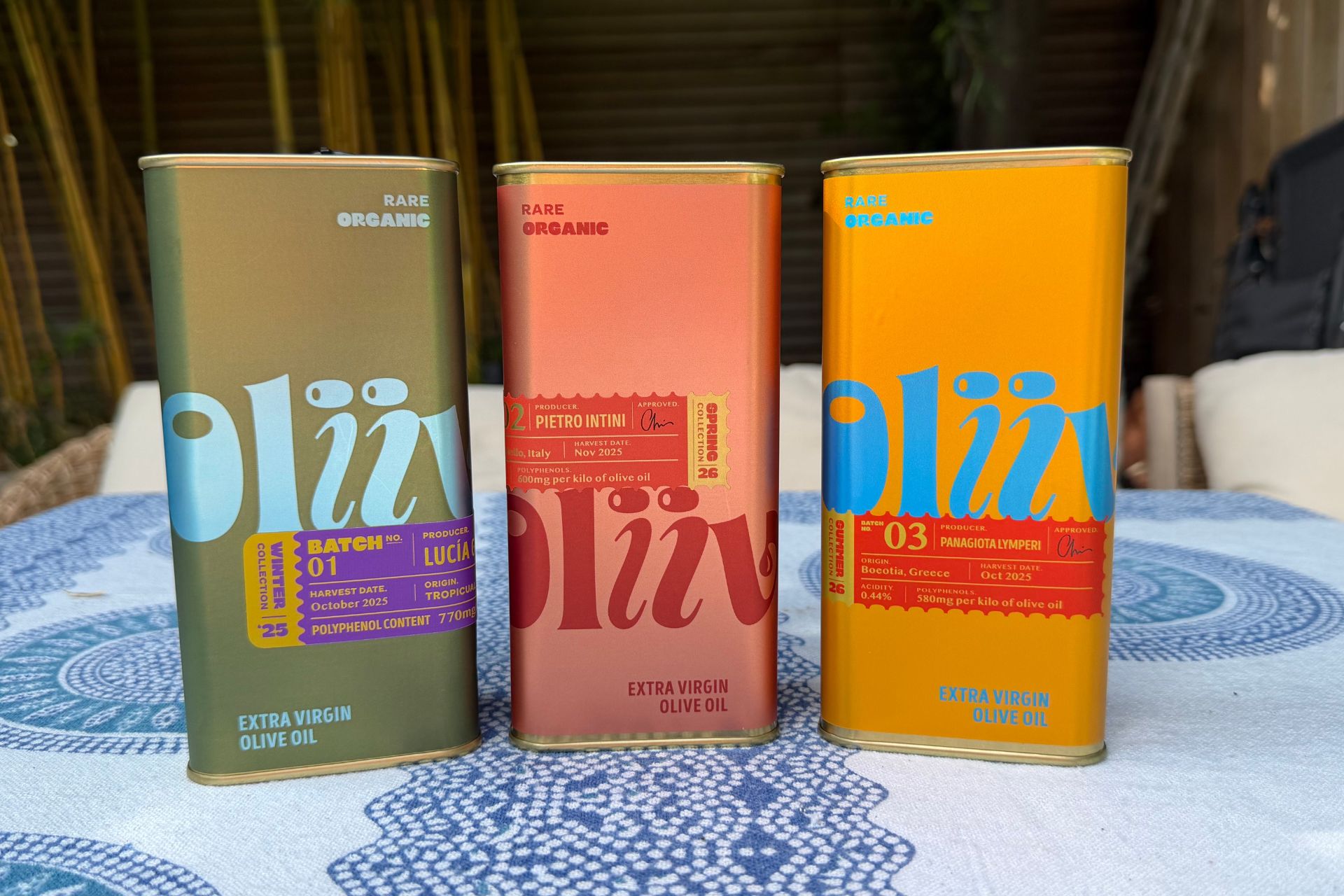
After discovering the profound health benefits of extra virgin olive oil, Chris Averill decided to join forces with Frankie Arpino to create the world’s most organic and transparent extra virgin olive oil subscription brand replete with supper clubs and wellness events. Rich in polyphenols and antioxidants, Oliiv has six-times the power of everyday supermarket olive oil and is sourced from artisan families around the world in small batches – complete with full transparency on provenance, harvest dates, polyphenol levels and sustainable farming methods. It’s perfect as a daily wellness ritual drizzled over anything and everything from salads and vegetables to granola, yogurt, and even ice cream.
Green Hero: Oliiv
How did the idea for Oliiv originate?
Chris: For decades, commercial olive oil has been treated as a background ingredient: diluted, stale and stripped of its character. Our journey into it didn’t start in agriculture, but from a shared realisation that the essentials of life had become disconnected from health and purpose. Having built and sold my design agency, I found myself in early retirement, dedicating time to purpose-driven work with the King’s Trust, Missing People, and volunteering on the Thames for the RNLI. But the entrepreneurial itch remained. Looking at how hyper-industrialised and compromised the commercial olive oil market had become, I saw a problem worth solving – and I knew I couldn’t do it alone.
Frankie: My path to this work came through my own health. In the years after my daughter was born, caring for a child with complex needs took a toll I wasn’t prepared for; I found myself dealing with a series of sudden, debilitating illnesses of my own. Getting back to health became a real education: in self-regulation, in understanding just how much diet affects everything else, and in discovering what functional, whole foods could actually do for the body. When Chris brought me the idea for Oliiv, it felt like a natural continuation of everything I’d already learned to believe in.
Where do you source the olive oil from and is there a criteria that each producer has to meet?
The EVOO we source usually doesn’t leave the village. We work with incredible, small organic and regenerative producers who craft rare, small-batch extra virgin olive oil that tastes incredible. Our producers need to be organic and/or regenerative, produce high-polyphenol EVOO that tastes wonderful, and be leading their local grower community in pushing back on industrial farming. Where we can, we also try to work with women-owned or women-led farms. All the EVOO needs to be independently lab certified. But most of all we want to work with people who are as passionate about the earth, the trees, the fruit and the oil as we are.
Tell us more about the benefits of using olive oil
Olive oil and the Mediterranean diet are among the most scientifically studied diets in the world. There are two medically proven health benefits we can promote in advertising —heart health and anti-inflammatory support — alongside a wide range of observed benefits.
In terms of your heart, high-polyphenol extra virgin olive oil is a rich source high-density lipoprotein (AKA ‘good’ cholesterol), while polyphenols also prevent the oxidation of LDL (AKA ‘bad’ cholesterol) that forms dangerous arterial plaques. As for the anti-inflammatory benefits, fresh olive oil is rich in Vitamin E and polyphenols, protecting cells from oxidative stress caused by free radicals, supporting long-term vitality and reducing chronic inflammation. It’s also linked to brain health, through a compound called oleocanthal, and gut health, by supporting a healthy microbiome.
Do you have any favourite ways to consume or use olive oil?
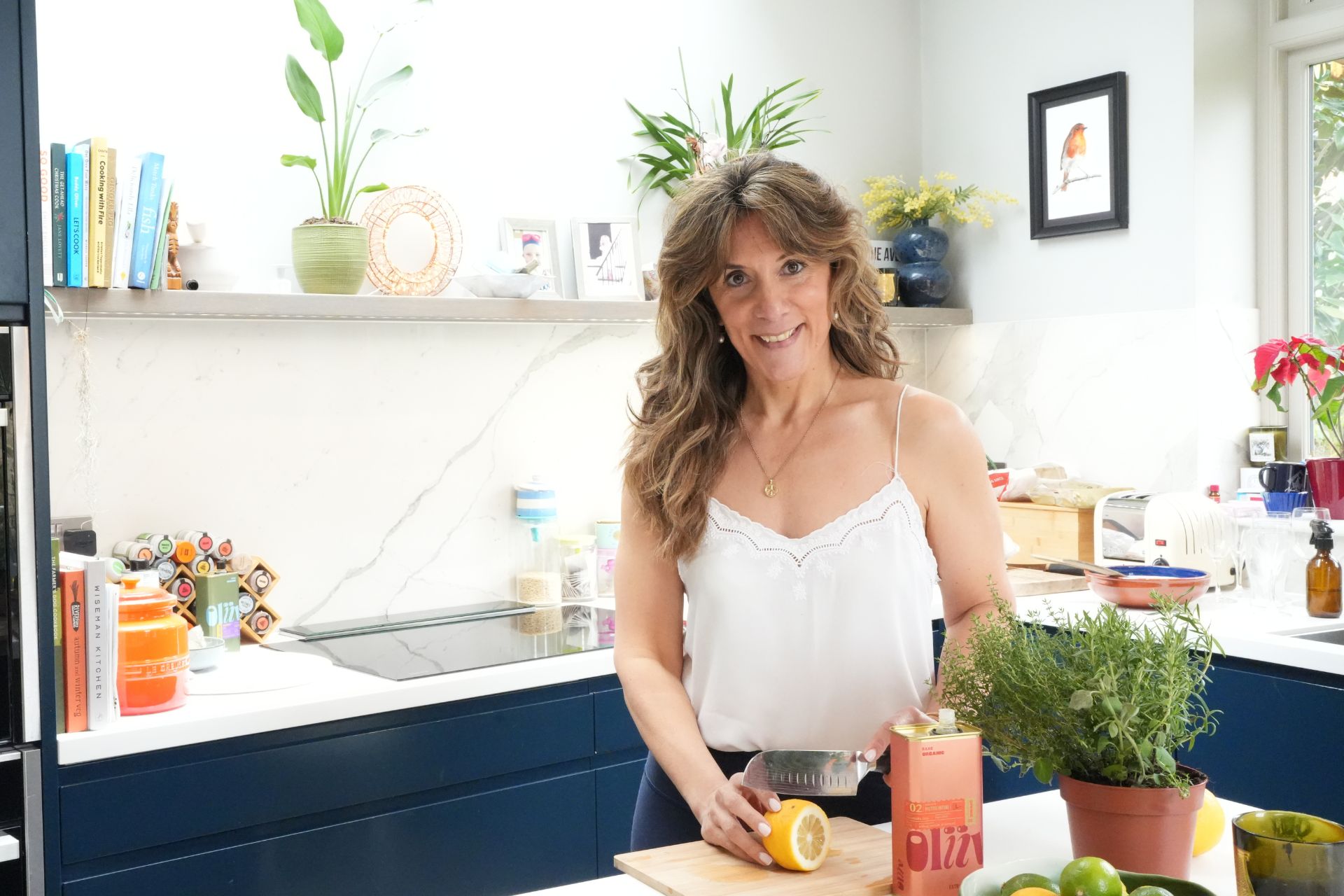
We love Oliiv on everything, and so do our kids. Sourdough toast, Oliiv, sliced banana and a pinch of Maldon sea salt. Or, drizzled over frozen yoghurt with fresh fruit. A plain vanilla ice cream with a glug of Oliiv and a pinch of sea salt has been our go-to dessert for years — it’s all gone a bit trendy recently. On roasted vegetables, it dramatically increases their nutritional benefit. And don’t forget a shot in your cortado or matcha latte.
How are your olive oils different from other olive oil brands?
Oliiv is handcrafted with love, tastes incredible, has full producer provenance, and is five to 10 times higher in polyphenols than a supermarket olive oil. We work with both hemispheres’ harvests, guaranteeing the freshest EVOO in the world. Subscribing to the Oliiv Ledger means joining an exclusive community with early releases, supper clubs, tasting masterclasses, producer tours and wellness retreats.
What green business practices are you most proud of?
We loved spending time with Lucia Gamez, our launch producer, who taught us about regenerative farming — how mothering the soil eventually regenerates the whole ecosystem. She pointed to a buzzard over her groves in Andalusia and said that when she sees a bird of prey over her land, she knows her efforts are working: mycelium connecting the trees, feeding microbes and insects, which feed small mammals, then large mammals —and the buzzards complete the circle.
Who is your own green hero?
Camilla Fayed, founder of Farmacy and an inspired thought leader on regenerative farming. And Tim Spector. His work on gut health and the microbiome has done more than almost anyone to bring the science of real, whole food to a mainstream audience.
What makes you feel positive about a sustainable future?
Awareness. More people are waking up to the idea that convenience is quietly costing us, and that it’s worth slowing down to think about what we eat, where it comes from, and how it was produced. Sadly, not everyone can afford to choose. But if those who can afford to choose wisely do, supermarkets will be forced to bring in more organic ranges at price points that help a wider audience.
And what are the facts that make you feel fearful?
It’s shocking how hard it is to buy local, organic produce on a budget, while imported food is sold for far less than home-produced equivalents, directly at odds with the government’s own carbon and health mandates. If policy doesn’t change at the top, there’s little hope for farmers and producers at the bottom, or for us as consumers.
Name three other brands you admire for doing the right thing, and why.
We love and buy Riverford Organic veg boxes. It’s of the biggest changes we’ve made, and we love the taste and variety. Daylesford are making great headway into a clean, organic lifestyle – their multi-surface cleaner is tested to cosmetic standards and genuinely the best of its kind. We also love our daily London Nootropics coffee, followed by the world’s best Mojucier ginger shot. And our final pick is 1 Hotels, who’ve been leading a positive, eco-friendly charge in style for a long time.
What are the biggest challenges in running a sustainable business?
Price, price and price. Organic runs at least 30 percent more expensive than non-organic, and artisan production adds another 30 percent on top. We also pay our producers above market rate for their EVOO. Sustainable produce is currently treated as a luxury when it should be a necessity — until convenience is taxed more and sustainability taxed less, cheap, chemical-laden products will keep fuelling what may be the biggest health crisis of our time.
What advice would you give to other businesses aiming to do better?
Stay authentic to what you actually believe. Sustainability can’t be a marketing layer bolted on afterwards; the moment it becomes performance rather than practice, people feel it.
How do you feel about the climate crisis?
Chris: Terrified, if honest, and unsure how to make a real difference. So many conveniences – cars, flights, smart homes, AC – are both drivers of climate change and framed as its solution. It’s hard to feel like enough is being done, individually or collectively.
Frankie: I’ve seen, through years of being a therapeutic yoga practitioner, how small consistent actions (a daily practice, a single habit) genuinely compound into meaningful change over time. I don’t think that logic stops at the body, I think it applies to the planet too. What gives me real hope is our children’s generation; they’re growing up with an awareness and instinct for clean, conscious living that took us decades to learn.
What are three things we can all do as individuals to help in the climate crisis?
Stop buying throwaway fashion and cheap everything – step away from a disposable world, and buy beautiful, well-made things only when you need them. Walk, cycle, or take a bus or train where you can. Buy organic. Buy less.
How do you think the media and governments could help the climate crisis?
Small daily changes, multiplied across enough people, add up to something far bigger. It’s not unlike the ritual of a spoonful of olive oil each morning: modest on its own, transformative over time.
Find out more at pureoliiv.com