


How To Create The Ultimate Festive Tablescape
By
3 months ago
Interiors experts spill their tablescaping secrets
For some, the star of the festive season is the Christmas tree. For others, it’s Christmas dinner. And for others (cough, the interior lovers among us), it’s what lies beneath and around and between the dinner dishes: the Christmas tablescape. Looking to elevate your dinner table this festive season? We’ve asked some of the UK’s tableware experts to share their top tablescaping tips for Christmas.
Christmas Tablescaping: A Guide
Tablescaping boasts a rich history, though it’s certainly evolved over the years. Tapered candles, luxurious linens and elegant tableware might be all the rage nowadays, but traditional tables looked a little different – and edible centrepieces were particularly integral. (Fruit was the ultimate sign of wealth; pineapples would even be rented by different hosts and displayed as a symbol of prestige and luxury.)
‘Historically, festive tables had an element of surprise, such as elaborate meat pies in the shape of birds (with real feathers!),’ explains Patricia Ferguson, ceramics advisor to the National Trust. ‘Later tables featured elegant silver or porcelain centrepieces with pyramidal arrangements of fruit surrounded by small figurines, or miniature vases with artificial sugar bouquets.’
Dedicated Christmas tablescapes first gained popularity in the 19th century, and these were the first to incorporate real flowers and plants. ‘Displaying gingerbread houses on the table is part of this tradition,’ notes Patricia.
Charlotte Page for Addison Ross
‘It was only in the 18th century that separate courses for savoury and sweet dishes were introduced,’ adds Nette Megens, Director of Decorative Arts and curator of The Classics series at Bonhams. ‘The table was often crowned with a grand centrepiece which could be admired throughout the dinner and eaten at dessert,’ Nette explains. ‘In fact, the word “dessert” comes from the French “deservire”, which translates to “clearing the table”. The idea was that you would really go all out on this last course and create a show-stopping event for your guests.’
Feeling inspired to design your own tablescape? We’ve rounded up the experts’ top tips below.
Top Tablescaping Tips From The Experts
Start With A Story
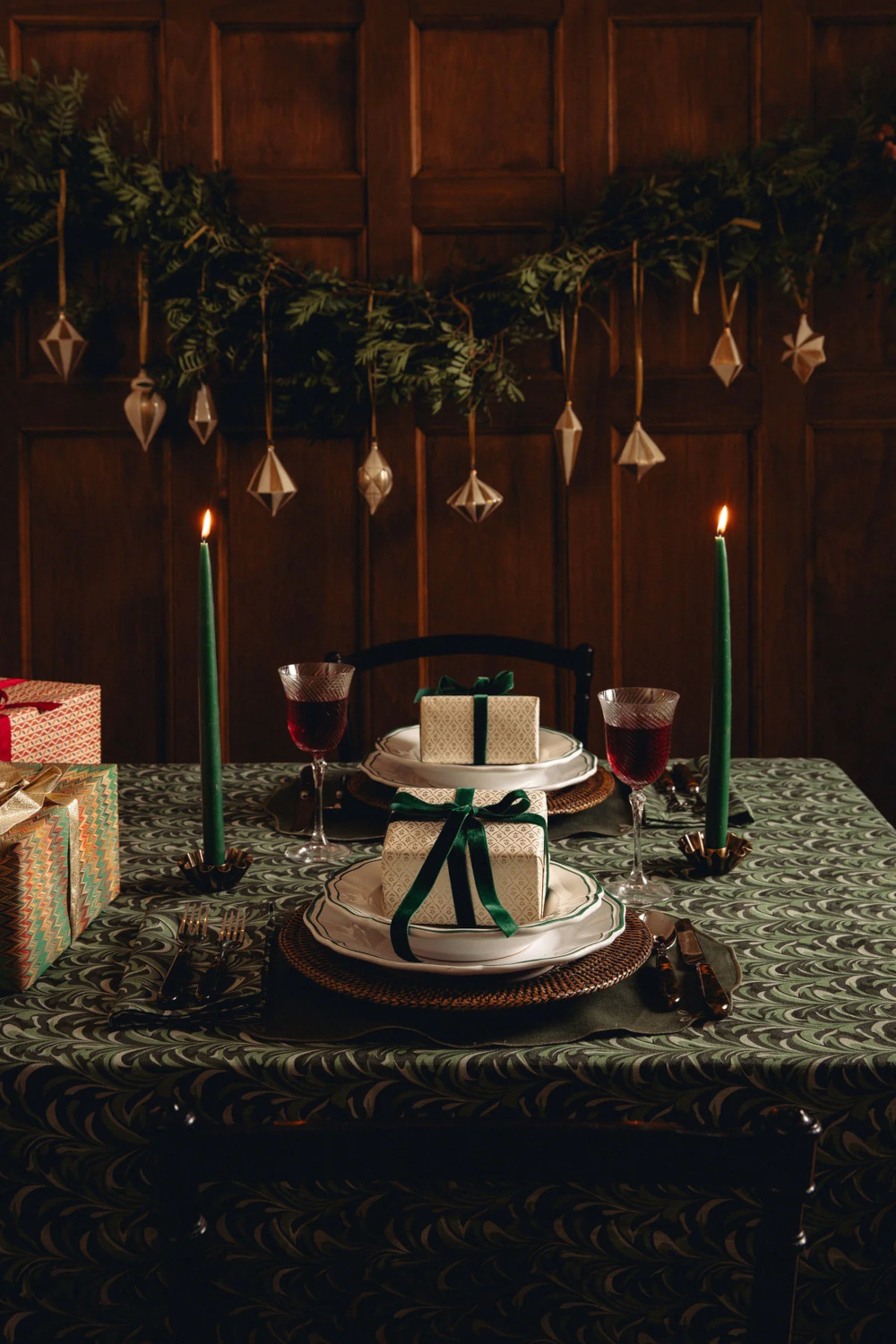
Stuck for themes? Try telling a story with your tablescape. ‘At Christmas, I like to begin with a story for the table,’ says Alice Naylor-Leyland, designer, writer and founder of homeware brand Mrs. Alice. ‘Perhaps a frosted woodland, a candlelit feast, or something playful and bright. Once I know the mood, I start layering, just like a winter wardrobe: cloth, chargers (my mother adores these), napkins, candles, and then the finishing touches.’
Layer Up
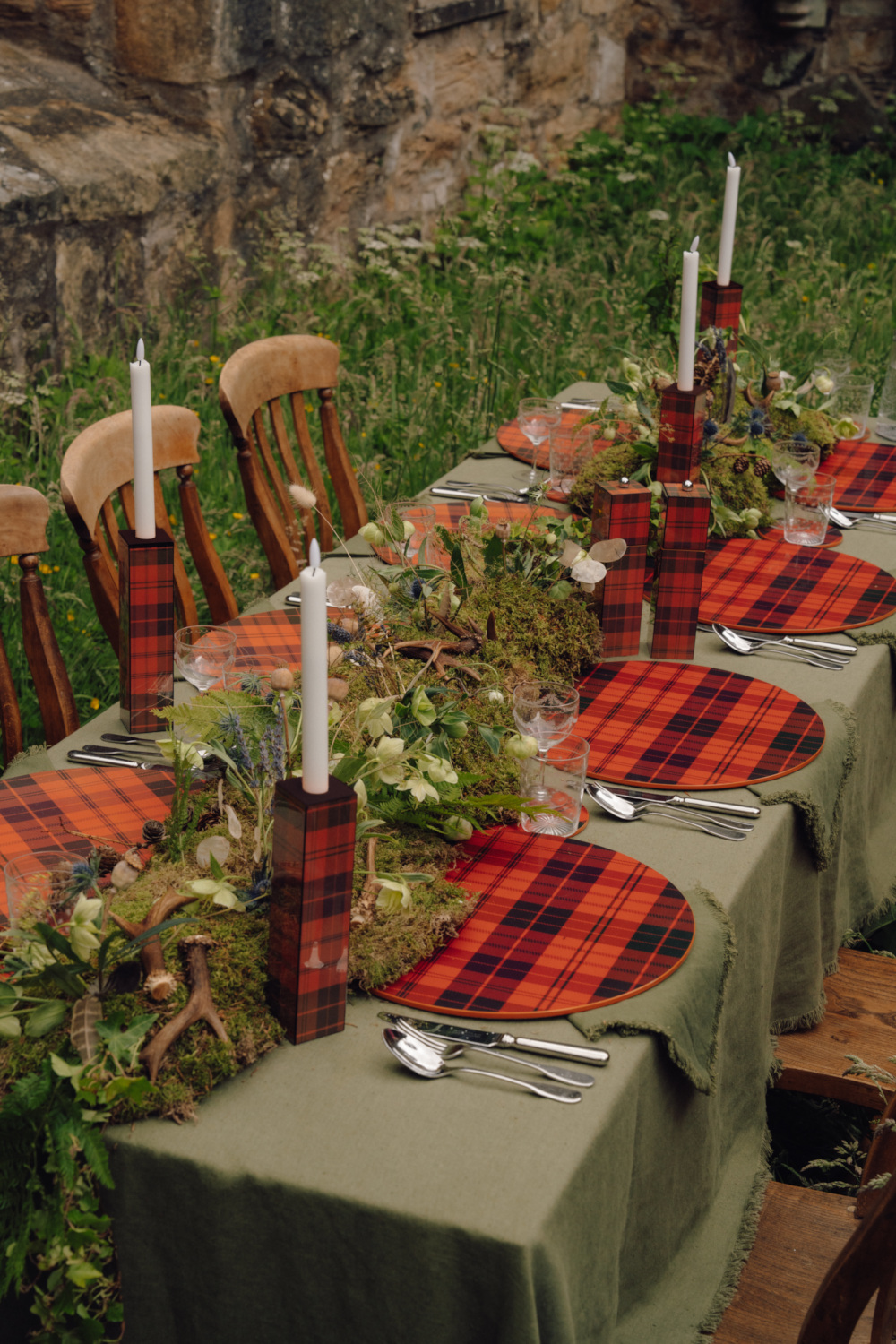
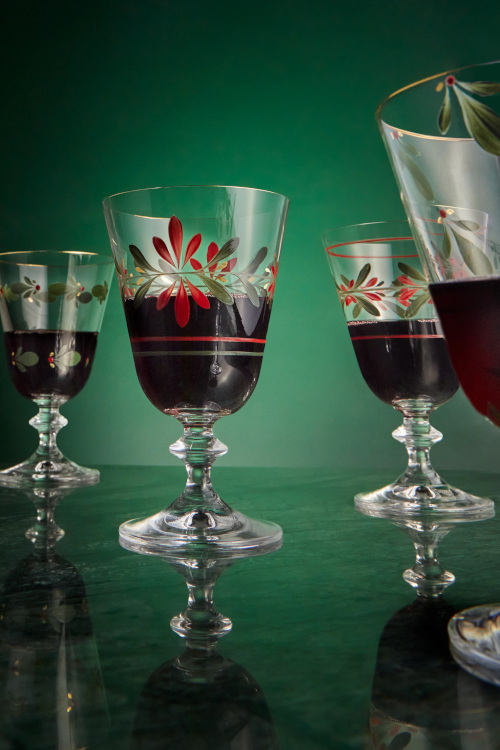
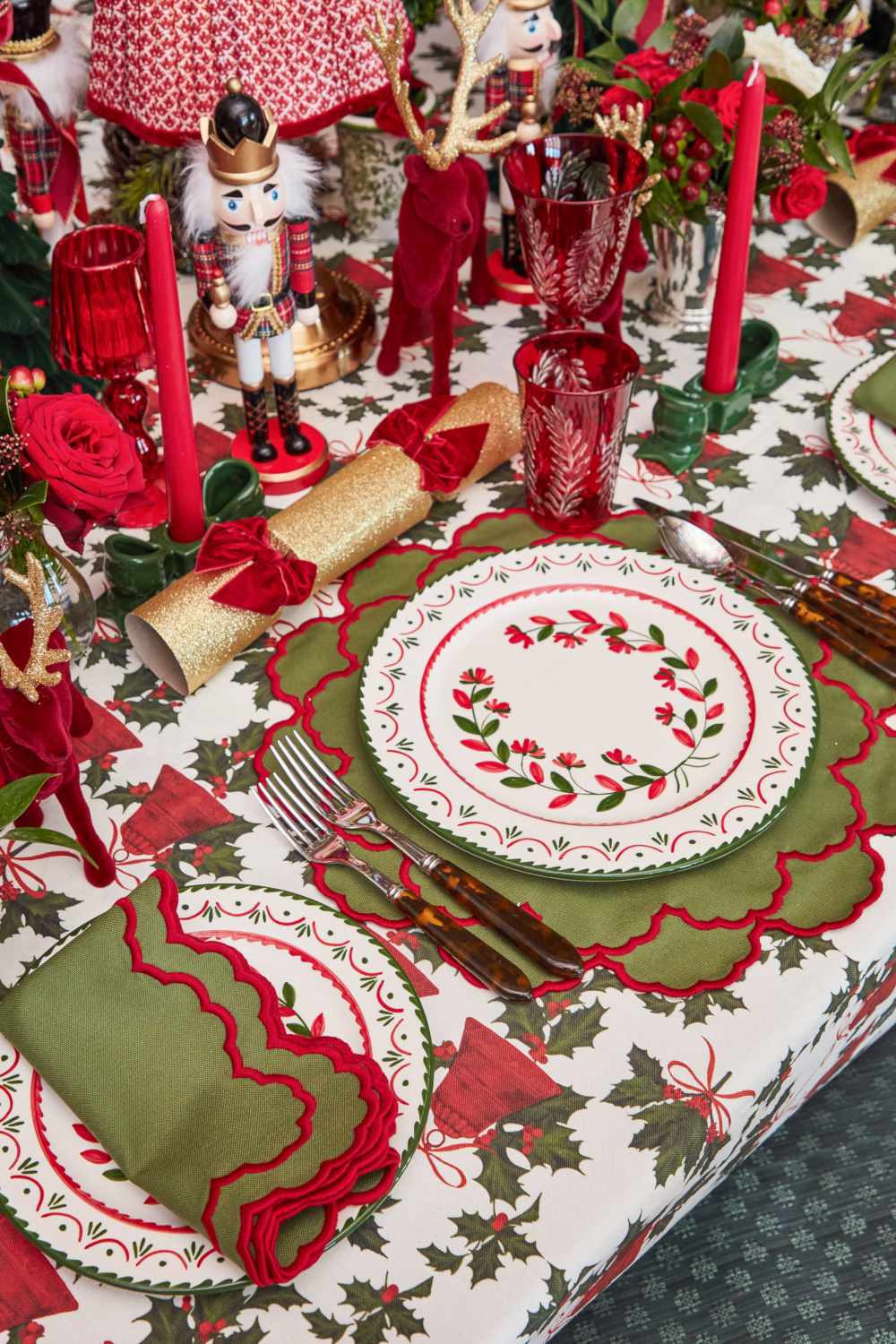
Don’t be afraid to tap your inner maximalist. ‘Go bold with textures, patterns and intricate details,’ advises Julian Vogel, co-founder of Maison Margaux. ‘Start with a tartan or toile tablecloth as your base and layer your tablescape in stages. I like to work with the rule of three, beginning with your charger plate (a large, decorative plate that acts as a base for other tableware) alongside a starter and a main plate. Then, add three glasses – a wine, Champagne and water glass – and finish with decorative napkins. Add as many candles as you can, all at different heights: candlelight will create a flattering glow to antique glass and silverware.’
Nancy & Betty
Dig Into The Details
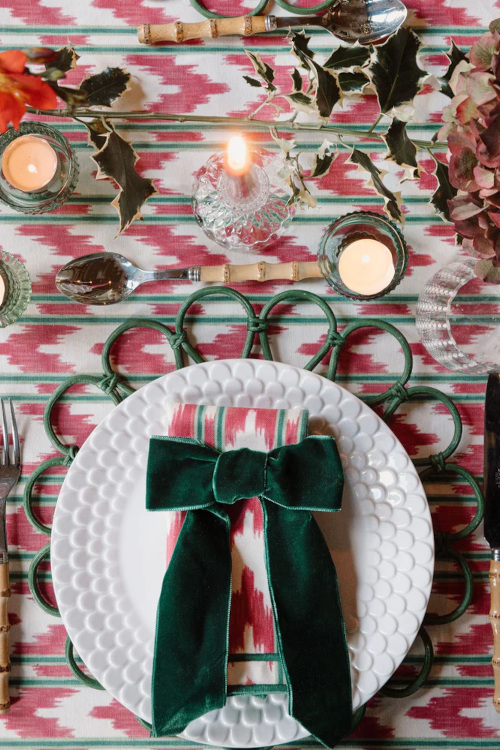
A grand festive tablescape is only as good as its smallest detail – so make sure to keep things considered (and avoid any unnecessary tat). ‘Even simple touches like festive napkins or elegant napkin rings can transform your tablescape and make it feel beautifully seasonal,’ advises interior designer Juliette Byrne. ‘Adding colourful or decorative flatware can also instantly elevate the table beyond an everyday setting.’
Be Playful, Not Precious
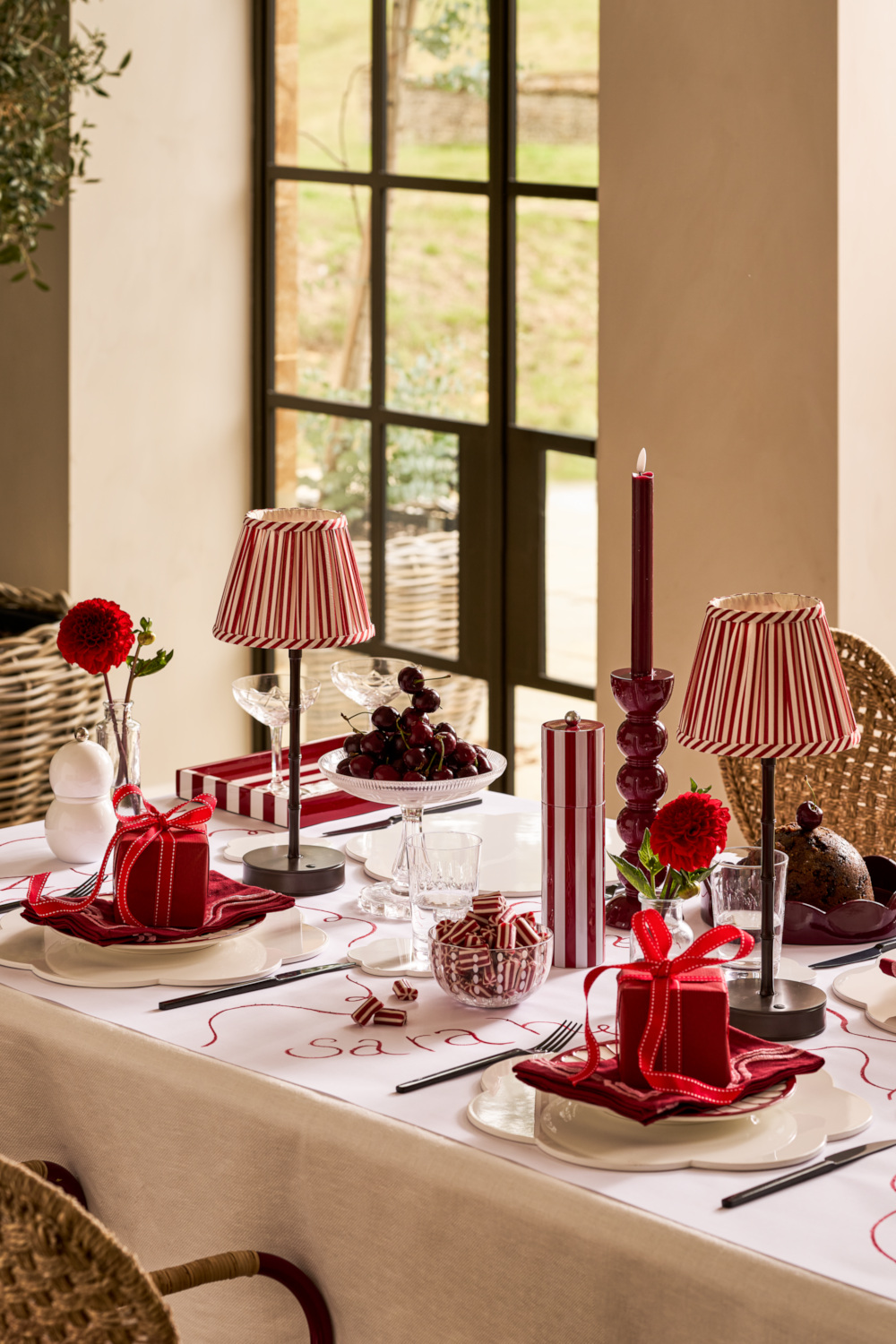
And don’t be afraid to think outside the box when it comes to styling the table. ‘Swap out traditional florals and formal settings for edible, whimsical touches like cherries, candy canes, and salty pretzels,’ suggests professional table stylist, Charlotte Page. ‘The result? A nostalgic-meets-modern vibe that feels more Willy Wonka than winter wonderland. Fun, unexpected, and irresistibly sweet.’
Create A Showstopping Centrepiece
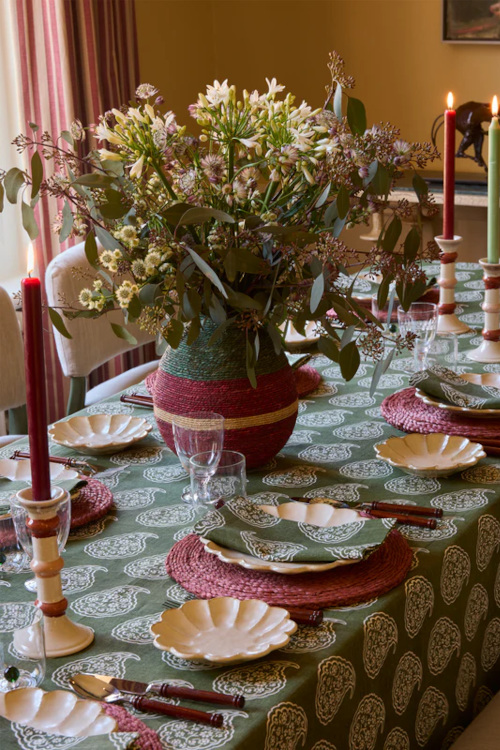
There’s also a centrepiece to think about – but where to start? ‘A considered centrepiece such as a cluster of winter greenery, candles, or a sculptural arrangement creates a focal point that brings the whole table together,’ says Juliette.
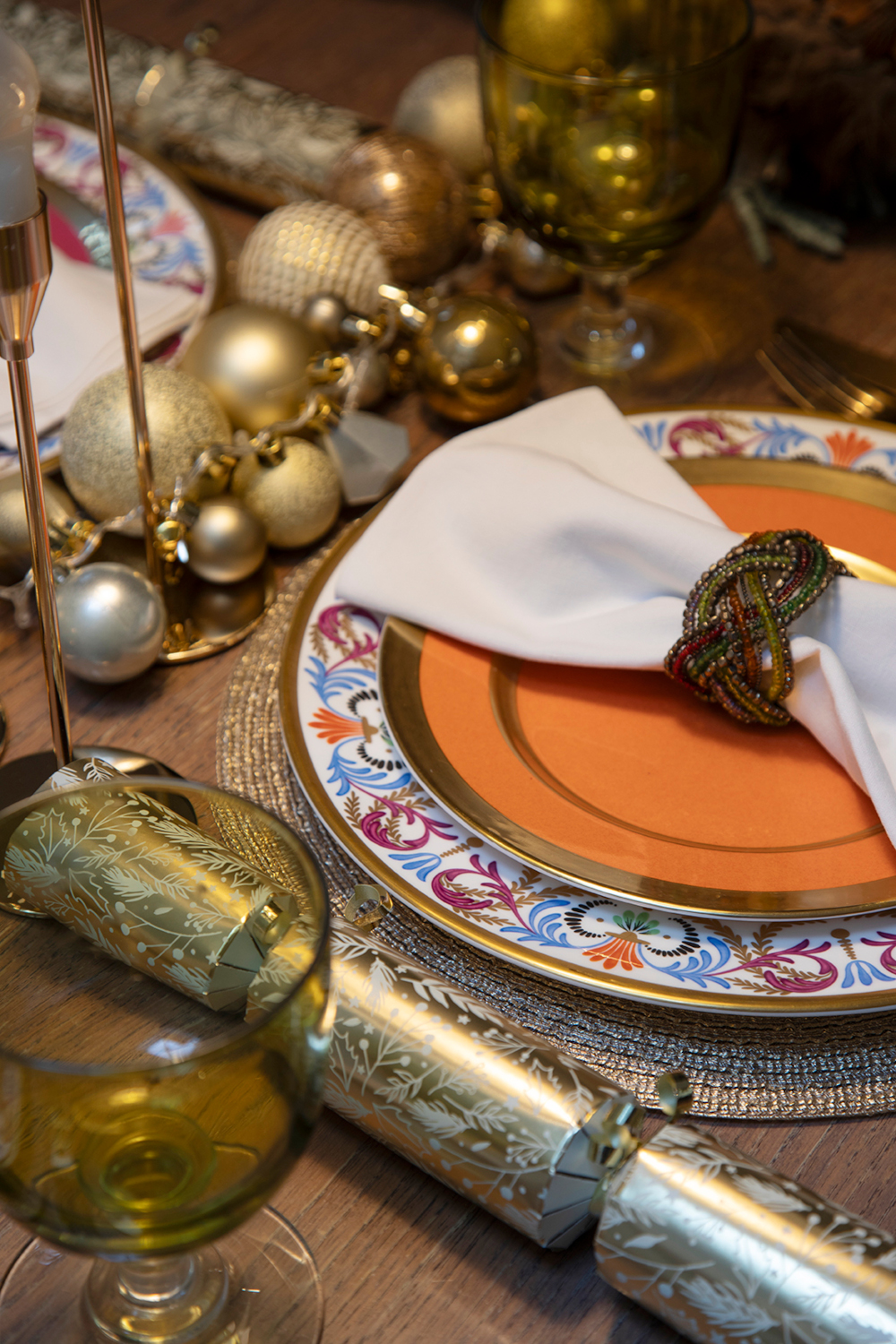
Juliette Byrne
… Or Multiple Feature Points
Depending on the size of your table, you may want to create multiple points of interest that can keep guests entertained. ‘Don’t forget that any space on the table can be decorated with small treats like bowls of candy, nuts or dried fruits of different colours and heights,’ says Julian. ‘Scattered walnuts and pomegranates bring a luxurious and decadent feel reminiscent of a 17th century still life painting.’
Bring The Outside In
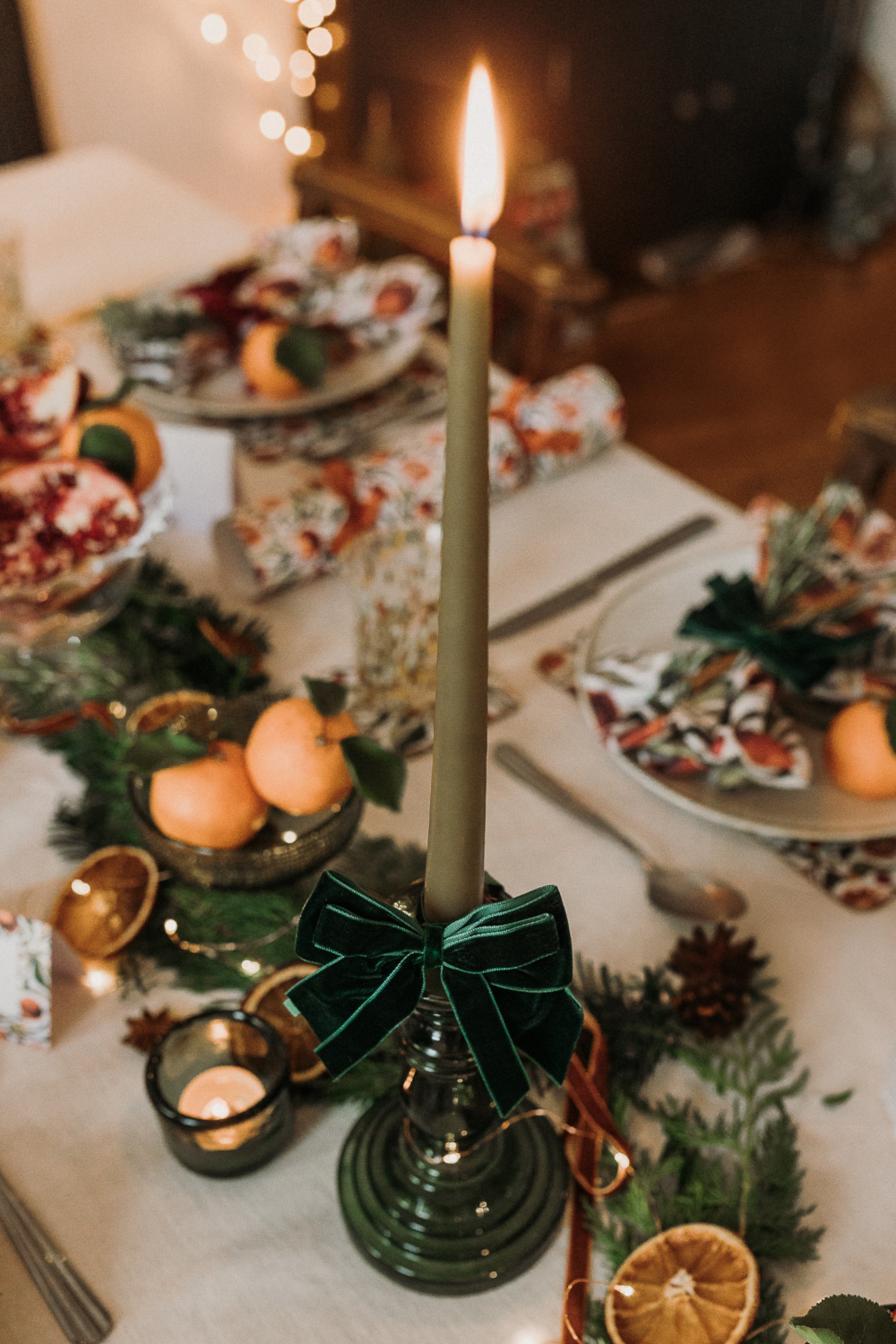
A quick forage down the garden path can also ensure your Christmas tablescape feels seasonal and festive. ‘Nature remains the most elegant stylist,’ emphasises Karen Howes, co-founder of design studio Taylor Howes. ‘A branch of winter foliage, a bowl of seasonal fruit, a scattering of nuts or dried citrus. These elements offer sculptural beauty and return to the earth or the kitchen, not the bin.’
Don’t Shy Away From Whimsy
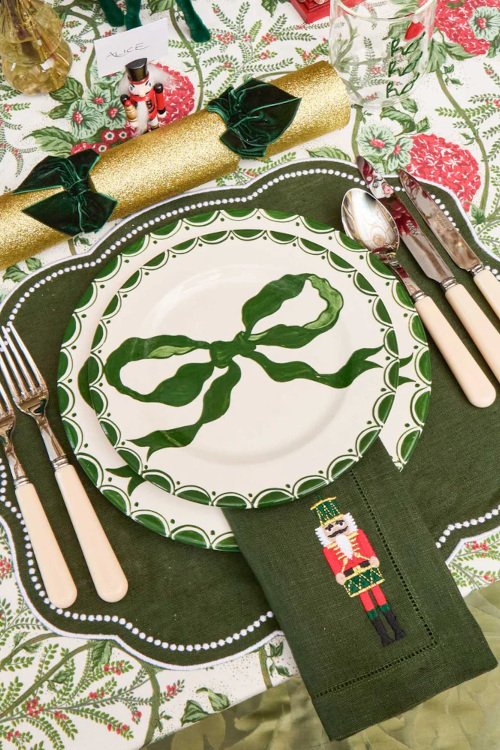
A brightly painted nutcracker left on the table? If there’s any time within the year to do it, it’s now. ‘A little whimsy always helps,’ says Alice, ‘a nutcracker, a reindeer, or baubles rolling across the table never fail to raise a smile. Guests seem to enjoy them almost as much as the pudding.’
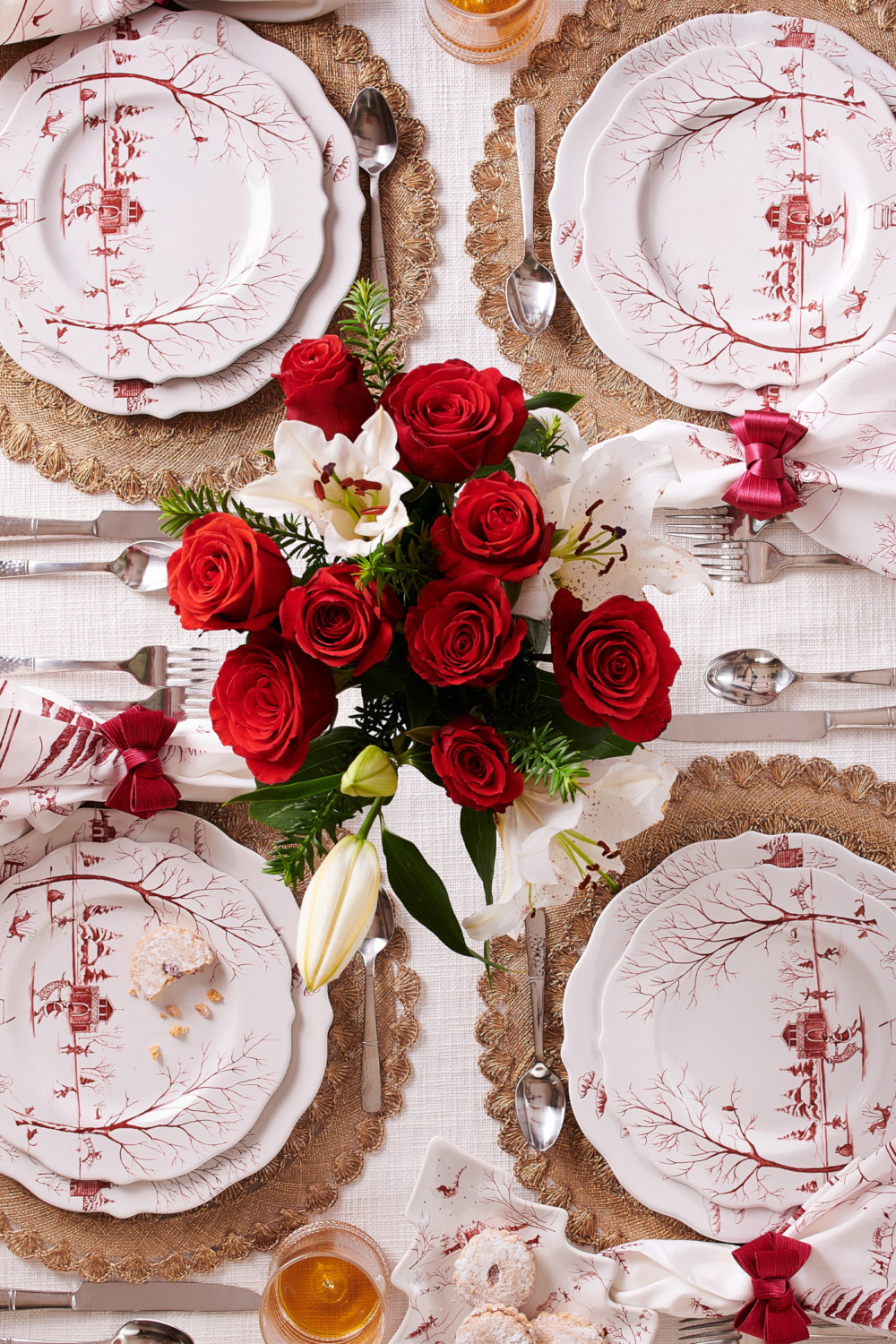
Nina Campbell
Personalise Your Settings
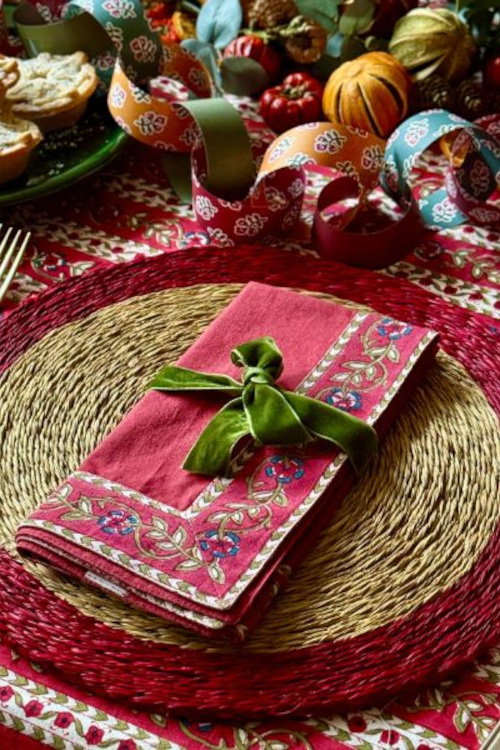
Another quick way to impress guests is by adding personal touches to your tablescape; it lets them know you’ve thought about them and how they might interact with the space. ‘Personal details make guests feel truly cherished,’ agrees Alice. ‘This can be a handwritten place card, a ribbon-tied napkin, or even a little treat at each setting.’
Embrace Festive Reds
Red might be an obvious choice for festive decor – but it’s for good reason. ‘Can red ever be chic, or is it forever doomed to feel kitsch? The truth is, red isn’t the problem. It’s the execution,’ says Karen. ‘Used thoughtfully, red is timeless. Think deep garnet napkins, vintage ruby glassware, a single lacquered bowl filled with pomegranates. It can feel luxurious, romantic, even modern.
‘The key is tone and texture,’ she continues. ‘Avoid flat, synthetic finishes and let red appear as an accent rather than a theme. Burgundy with soft neutrals or rich woods is infinitely more elegant than the classic red-and-green pairing. Unless you elevate the green to moss, olive, or evergreen and ground it with clean lines and refined materials. Colour becomes sophisticated the moment it becomes intentional.’
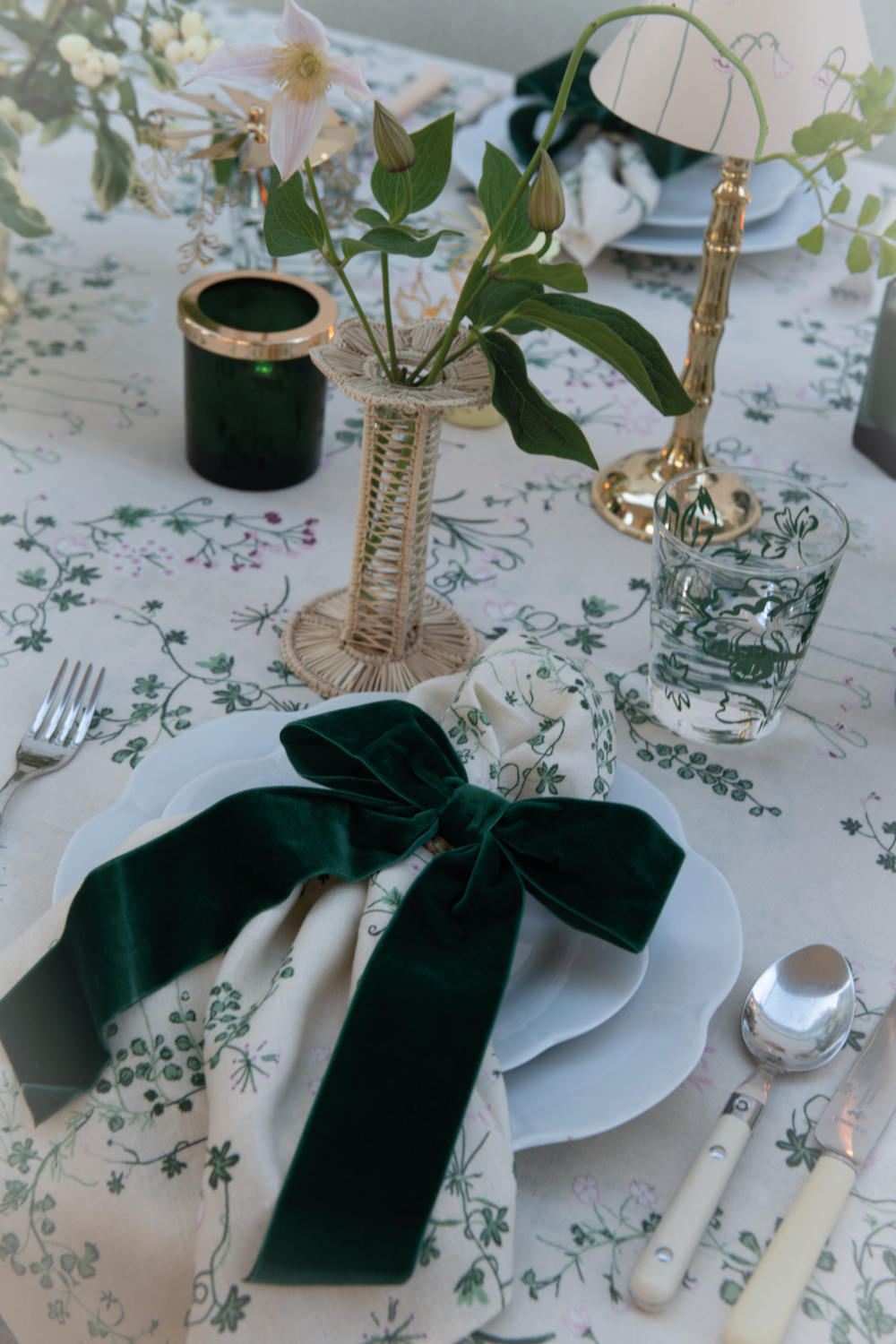
Willow Crossley (c) Genevieve Stevenson
Or Break The Mould
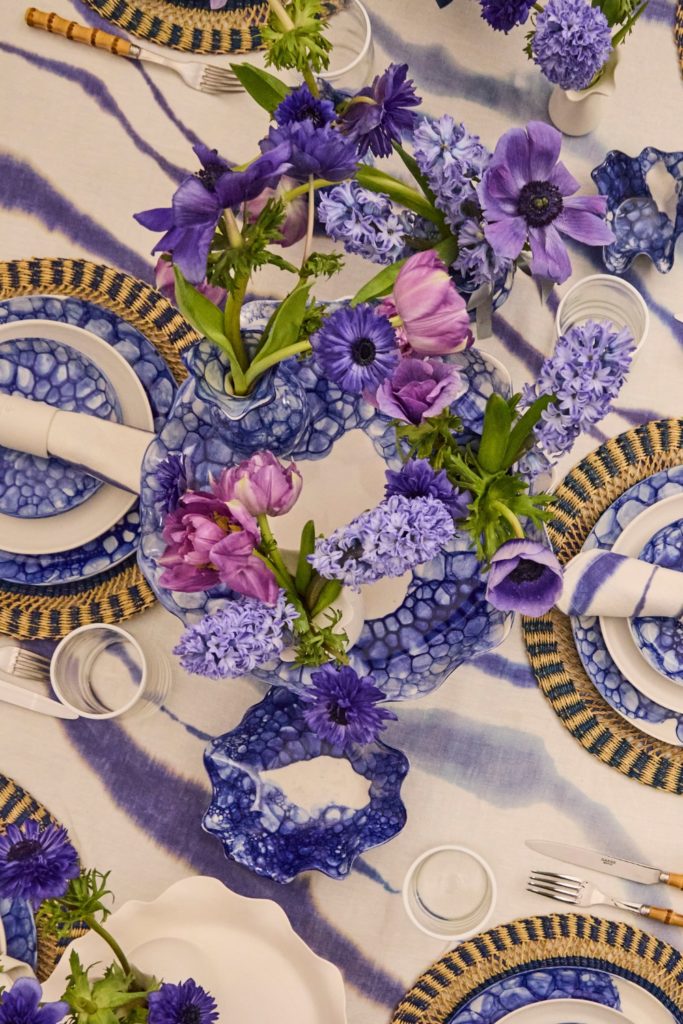
But if red no longer resonates with your decorating plans, don’t be afraid to branch out. ‘You can always stray from red and green,’ agrees Alice. ‘My mum, for example, simply loves a blue Christmas. Frosted pastels, shimmering silver, or earthy woodland tones can feel just as festive when done right.’
Style Secondhand
And lastly, opt for secondhand or reusable finds – antiques, family heirlooms, pieces borrowed from friends or even something pulled from the back of the cupboard – that can elevate the space. ‘The most beautiful tables rarely rely on newness; they rely on curation,’ says Karen. ‘Layer heirloom pieces with modern details. Borrow instead of buying. Celebrate mismatched ceramics for their individuality. Choose real glass, real linens, real materials that patinate with use rather than wear out.’
‘I try to avoid buying anything that can’t be used year-round,’ adds content creator and dinner party expert Matilda Bea. ‘Rather than purchasing season-specific linens, I turn to tablecloths from the summer or spring; the green or pink striped tablecloths feel festive as soon as you style with food, serve-ware and flowers. A red-toned floral arrangement instantly gives a table a winter mood, without needing to overhaul everything.
‘It’s all about layering textures and colour with intention, not excess,’ she adds. ‘When you do invest in Christmas detailing, opt for reusable touches, like fabric crackers you can reuse year after year.’