






Do Medicinal Mushrooms Actually Work?
By
1 hour ago
This World Mushroom Day, we delve into the mystical world of medicinal mushrooms
From lion’s mane marketed for cognitive function to gummy supplements promising better energy and focus, interest in functional mushrooms has grown significantly in recent years. But while the research is promising, the evidence behind some of the health claims needs scrutinising. If you’re considering adding them to your supplement routine, it is worth looking beyond the marketing to what the science says, and paying close attention to the quality of the product too. We asked nutritionist Kim Pearson for her expert take.
How To Find The Medicinal Mushrooms That Work For You
Which Medicinal Mushrooms Are Worth Knowing About?
Lion’s Mane: Cognitive Health
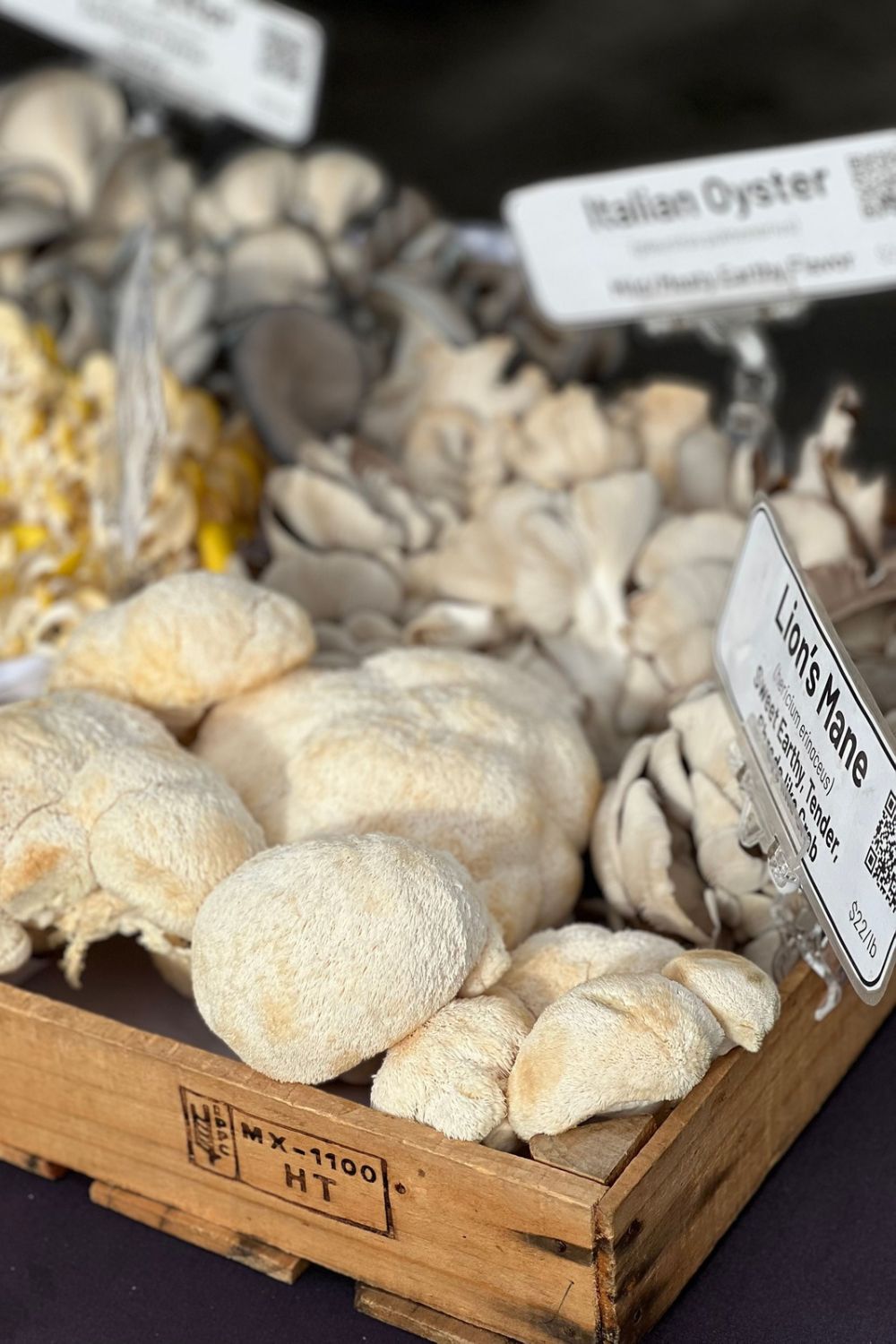
Lion’s mane (Hericium erinaceus) is probably the best known functional mushroom for brain health. Researchers are investigating its potential effects on memory and cognitive function – early human research is promising, but it is too soon to promise better memory or protection against dementia.
In a small, double blind, placebo controlled study, 30 adults aged 50 to 80 with mild cognitive impairment took lion’s mane powder or a placebo for 16 weeks. Cognitive test scores were significantly higher in the lion’s mane group at weeks eight, 12 and 16, but four weeks after supplementation stopped, the scores decreased significantly. These findings are encouraging, but the study was small and does not establish that lion’s mane improves cognition in healthy adults or prevents cognitive decline.
Compounds called hericenones and erinacines have also been investigated for their effects on nerve growth factor and other pathways involved in nerve cell growth and function. Researchers are exploring the potential role of lion’s mane in the gut-brain axis, too, although much of this evidence comes from laboratory and animal studies which don’t always translate to benefits in humans, so more research is needed.
Cordyceps: Exercise Performance And Energy
Cordyceps has a long traditional association with vitality and has attracted interest for its potential effects on energy metabolism and exercise capacity. However, research findings are less clear.
In a small, double blind, placebo controlled pilot study, 20 adults aged 50 to 75 were enrolled to investigate a specific Cordyceps sinensis preparation known as Cs-4. Participants took 333mg three times daily for 12 weeks. The researchers reported improvements in metabolic and ventilatory thresholds, two measures related to exercise performance, but no improvement in VO₂ max. Only 15 participants completed the study, so the findings should be interpreted cautiously.
Results have not been consistent across populations, though. In a five week trial involving 22 trained male cyclists, supplementation with 3g of the same Cs-4 preparation daily did not improve VO₂ peak, ventilatory threshold or time trial performance. These small studies provide limited and mixed evidence for exercise benefits. Cordyceps is therefore not a guaranteed shortcut to greater energy or fitness, despite some of the marketing claims.
Reishi: Rest And Wellbeing
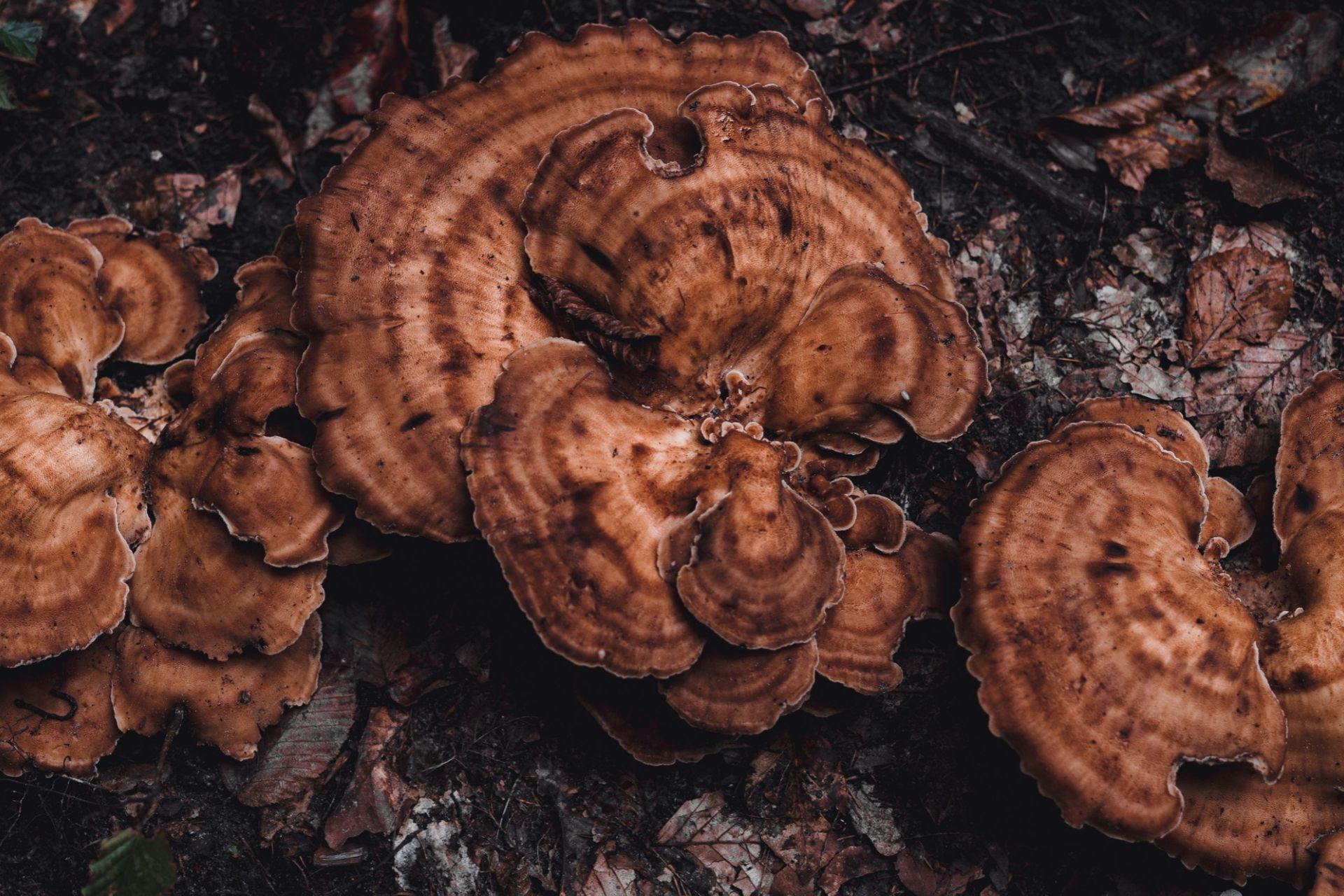
Reishi (Ganoderma lucidum) has a long traditional reputation as the mushroom for rest and balance. It contains compounds including beta glucans and triterpenes, such as ganoderic acids. While these compounds have been studied, findings have not shown better sleep or less stress in people.
A 2025 systematic review and meta analysis examined the effects of Ganoderma lucidum (reishi) supplementation on various health outcomes, including metabolic and cardiovascular markers, in 17 randomised controlled trials involving 971 participants. Although some modest effects on selected health measures were reported, the researchers rated the certainty of evidence as very low across all outcomes. The findings do not establish reishi as an effective treatment for specific health conditions.
Laboratory and animal studies suggest that certain reishi compounds may influence immune signalling, inflammatory pathways and antioxidant defences. These findings are promising, although their relevance to human health requires further research.
Supplement Quality Is Key
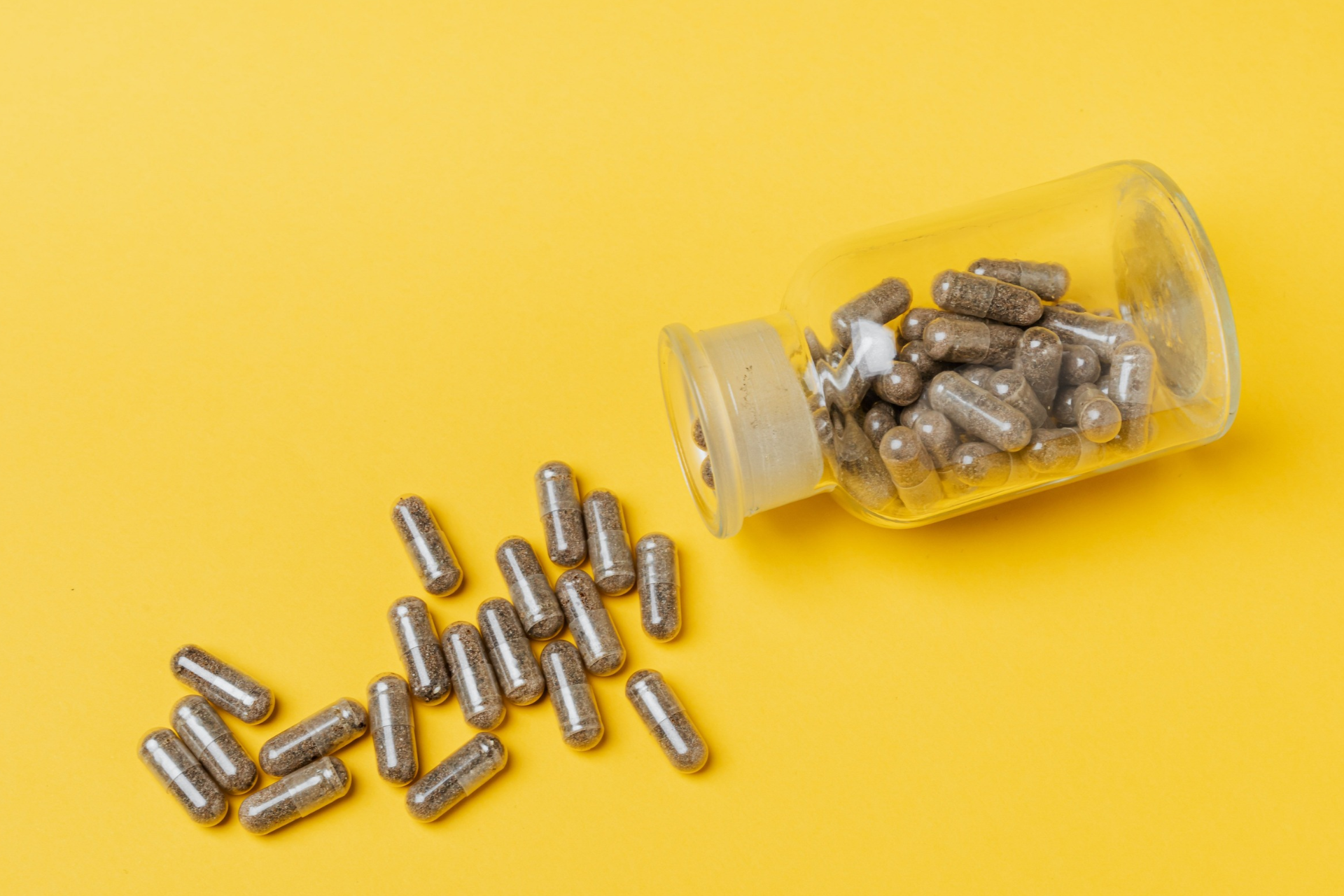
If you’re looking to take a mushroom supplement, there are a few key things to consider. Very similar looking products containing the same mushroom species can differ considerably in quality. The part of the mushroom used, growing conditions, processing and extraction methods, and the levels of compounds can all influence the quality of the supplement.
Mushrooms can accumulate substances from their growing environment, so traceability of the raw material and growing substrate is important. Independent testing for heavy metals, pesticides and microbiological contamination is also worth looking out for.
China is a major producer of medicinal mushrooms and many European supplement brands source their products from Chinese manufacturers. Authors of a 2023 study into mushroom supplement quality highlight that many Chinese production facilities do not operate to internationally recognised Good Manufacturing Practice standards.
The study, published in Nutrients, examined 19 commercially available mushroom supplements in Italy, assessing species identity, glucan content and potential contaminants. DNA analysis found discrepancies between the labelled and identified species in several products. The researchers also found variation in glucan content between products and even between individual capsules from the same batch. The study was small and cannot tell us how representative these findings are of the wider market, but it highlights why transparent labelling and independent quality testing matter.
When choosing a supplement, look for the clearly identified species, the amount per serving, whether it contains fruiting body, mycelium or both, and whether it is a powder or an extract. I would also want to know how the mushrooms are sourced and whether the manufacturer measures relevant compounds, such as beta glucans, rather than simply reporting total polysaccharides.
Organic certification can provide useful information about cultivation standards and is something I recommend, but it does not influence the concentration of active compounds or prove that a supplement delivers a particular health benefit.
Mushroom gummy supplements have become particularly popular. As a nutritionist of nearly 20 years, I have never recommended gummy supplements. I have yet to come across one that contains useful levels of active ingredients and is not primarily made up of sugar.
©Pexels
My Go-To Mushroom Brands
I do recommend mushroom supplements to some of my clients, most often lion’s mane, which, anecdotally, I have found to be supportive for women struggling with brain fog and memory lapses during the menopause.
My go to range is Hifas da Terra, which specialises in medicinal mushroom research and organic cultivation. The company identifies the species and form used in its products and publishes quality information for its products.
London Nootropics combines coffee with selected adaptogens, including functional mushrooms. Its Flow coffee, for example, lists lion’s mane extract supplied by Hifas da Terra and states its beta glucan content. For people who prefer coffee to capsules or powders, this can be a convenient format. The packaging is beautiful too – I often give the selection pack to coffee-loving friends as gifts.
Are Functional Mushrooms Worth Taking?
Functional mushrooms are an interesting area of research, but one to approach with caution. The proven benefits often don’t align with marketing claims, and not all supplement products are created equal.
As with any supplement, start by asking what you are looking to achieve, whether credible human research supports that aim, and whether the product is of good quality. Anyone who is pregnant or breastfeeding, taking medication or managing a health condition should seek advice from an appropriate healthcare professional before supplementing.
A high quality supplement should be transparent about exactly what it contains and how the finished product is tested. And while gummies might taste nice, I’m afraid I consider them sweets, not supplements!