


How To Pick Your Valentine’s Bouquet The Right Way, According To Florists
By
2 months ago
Plus, a guide to which blooms are in season right now
Looking for ways to tell someone you love them this Valentine’s Day? For the romantic, it has to be a big bouquet of flowers. ‘Valentine’s Day flowers are a genuinely beautiful tradition,’ says Michael Dariane, co-founder plus sustainability and operations director of London florist Blooming Haus. ‘Humans have been expressing love through flowers for thousands of years – stemming from ancient civilisations where they were used in ceremonies and festivals, and then morphing into an entire emotive language under the Victorians.’
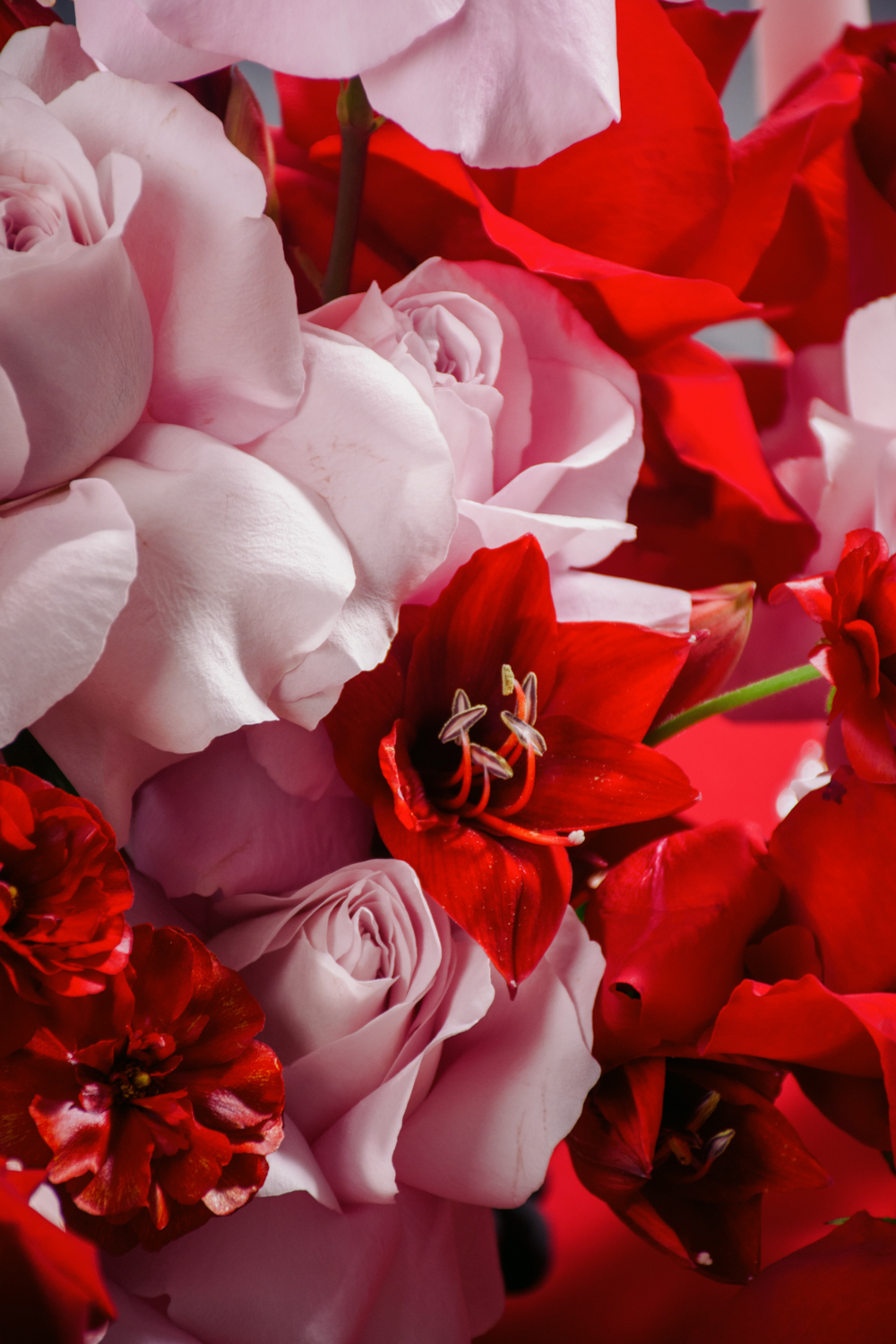
It was during this period that we started giving loved ones bouquets of roses on Valentine’s Day. Associated with the goddess of love, these red flowers became the popular choice among lovers because they represented deep passion. ‘Red roses in February? They’re iconic for a reason,’ says Michael.
But with the climate (quite literally) shifting, it’s time to rethink tradition. Yes, red roses are synonymous with Valentine’s Day, but as Michael notes there are environmental repercussions that come with importing flowers that are out of season – especially when done en masse during big holidays and events.
Does that mean our hopes of a beautiful bouquet are dashed this year? ‘Far from it,’ assures Michael. ‘There are so many other options people don’t even know about – unexpected colours and textures that tell a different story. You don’t need roses to say you love someone.’
What Happens In The Lead Up To Valentine’s Day?
To get a better understanding of how a Valentine’s bouquet is made, it’s best to get to the root of it all. ‘The demand surge for flowers is always intense around Valentine’s Day,’ says Michael. ‘Everyone wants red flowers – and red roses most of all.
‘The UK imports approximately 570 tonnes of roses alone in the run-up to Valentine’s Day – that’s about 8 million stems,’ he adds. ‘The Netherlands is the main supplier, but they’re not growing everything themselves. During winter, they’re sourcing roses from Kenya, Colombia, Ecuador, and then redistributing them across Europe.’
This means that, during Valentine’s week, refrigerated lorries are operating around the clock to pick up and deliver blooms. ‘The journey can take two to three days from the Netherlands to the UK,’ confirms Michael. ‘Every link in that chain has to work perfectly to maintain freshness; one breakdown, and thousands of orders are affected.’
And, of course, the surge in demand and added travel time means we see a significant spike in emissions. ‘These go up. Prices go up. Energy consumption increases. It’s quite an operation.’
Blooming Haus
And What Happens To Your Bouquet After The Day?
Fast forward, and Valentine’s Day has been and gone – leaving a softly wilted bouquet in its departure. But that’s not where the story ends. ‘Most people assume flowers are natural, so they’ll just decompose harmlessly,’ explains Michael. ‘It’s a reasonable assumption, but the reality is a bit more complicated.
‘The flowers themselves are natural and could be composted, but most end up in landfill where they break down without oxygen – anaerobic decomposition – which produces methane,’ he explains. ‘Methane is significantly more potent than carbon dioxide as a greenhouse gas. Composting could reduce those emissions by around 80 percent, but most people don’t have access to composting facilities or simply don’t think about it.
‘There’s also the packaging: plastic sleeves, synthetic ribbons, cellophane. Most of it doesn’t biodegrade.’
And when it comes to floral arrangements – not just the bouquet – things can get even worse. ‘A lot of florists still use plastic floral foam, which is made from phenol and formaldehyde (a known carcinogen) – one block contains the plastic equivalent of 10 shopping bags,’ says Michael. ‘It’s non-biodegradable, non-recyclable and breaks down into microplastics that persist for thousands of years.’
But this isn’t widely known, he adds. ‘Most people compost it by mistake, or pour water with foam fragments down their drains, which can contaminate water systems and harm aquatic life.’
Blooming Haus
A Florist’s Tips: How To Pick A Valentine’s Bouquet
The reality of the situation doesn’t exactly scream ‘romantic’, does it? But fear not – there’s still hope for curating the perfect Valentine’s Day bouquet, no roses needed. Below, Michael shares his top tips for getting started:
Focus On Locally Grown
The first thing to look into, says Michael, is florists that offer locally grown blooms. ‘Choose locally grown, seasonal flowers whenever possible,’ Michael emphasises. ‘They last longer because they’re genuinely fresh – they haven’t spent weeks in transit. The environmental difference is also significant: a 90 percent reduction in carbon emissions compared to imported alternatives.’
See What’s In Season
You’ll also want to have an idea of what will be in season. ‘Know your seasons,’ says Michael. ‘Despite being synonymous with Valentine’s Day, roses won’t be in season in the UK until June. In February, they require heated greenhouses with massive energy consumption. Or they’re air-freighted from thousands of miles away.’
Instead, Michael recommends building an arrangement around the following:
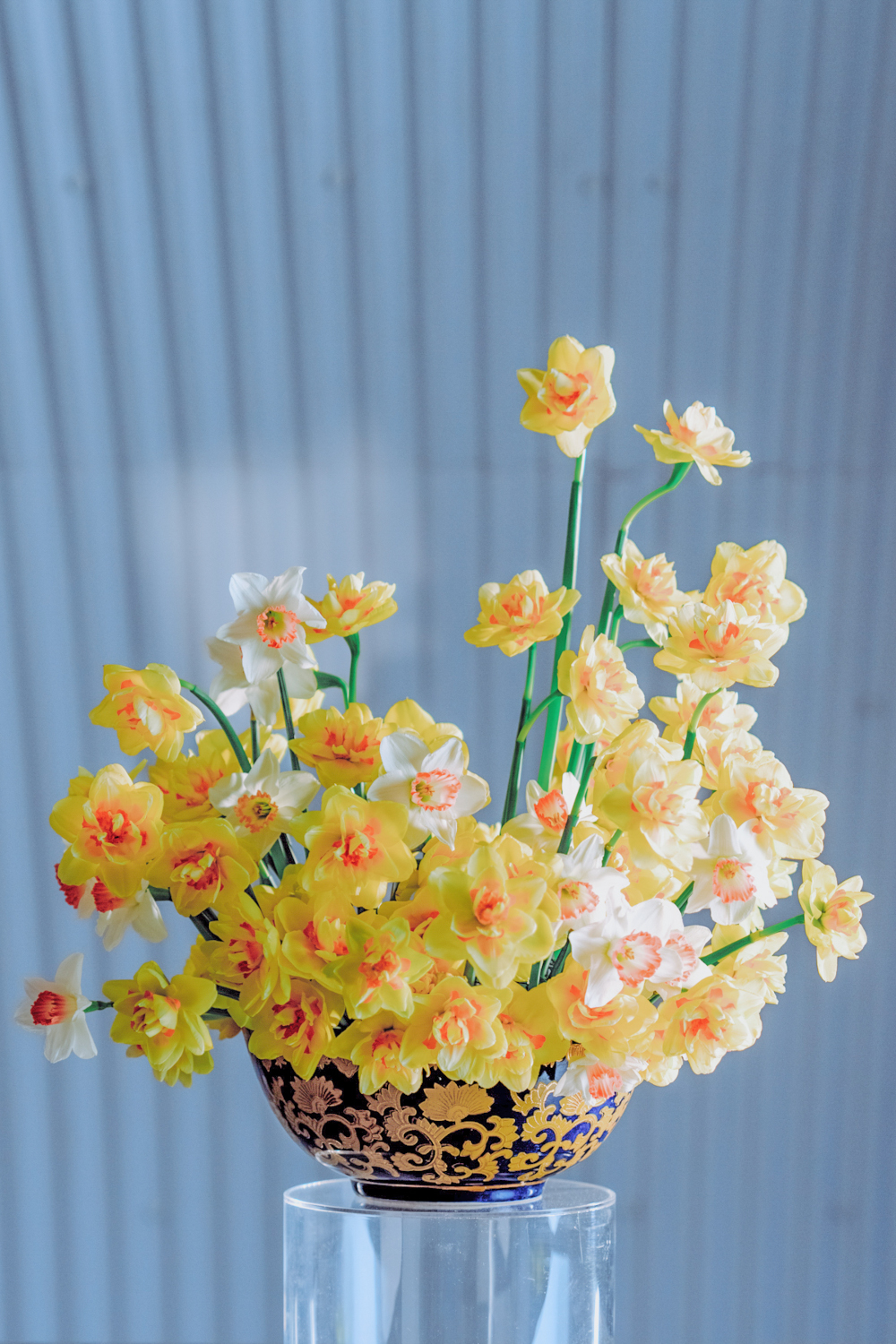
- Narcissi & Daffodils: ‘Vibrant yellows. Pale creams. Pure whites. They have this fabulous, uplifting scent.’
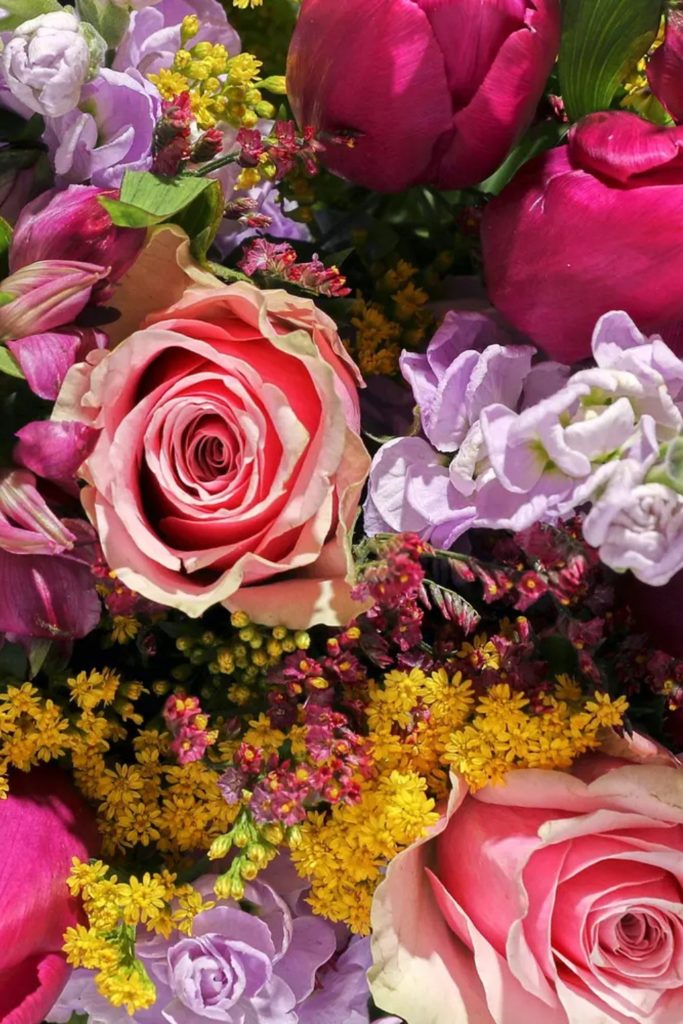
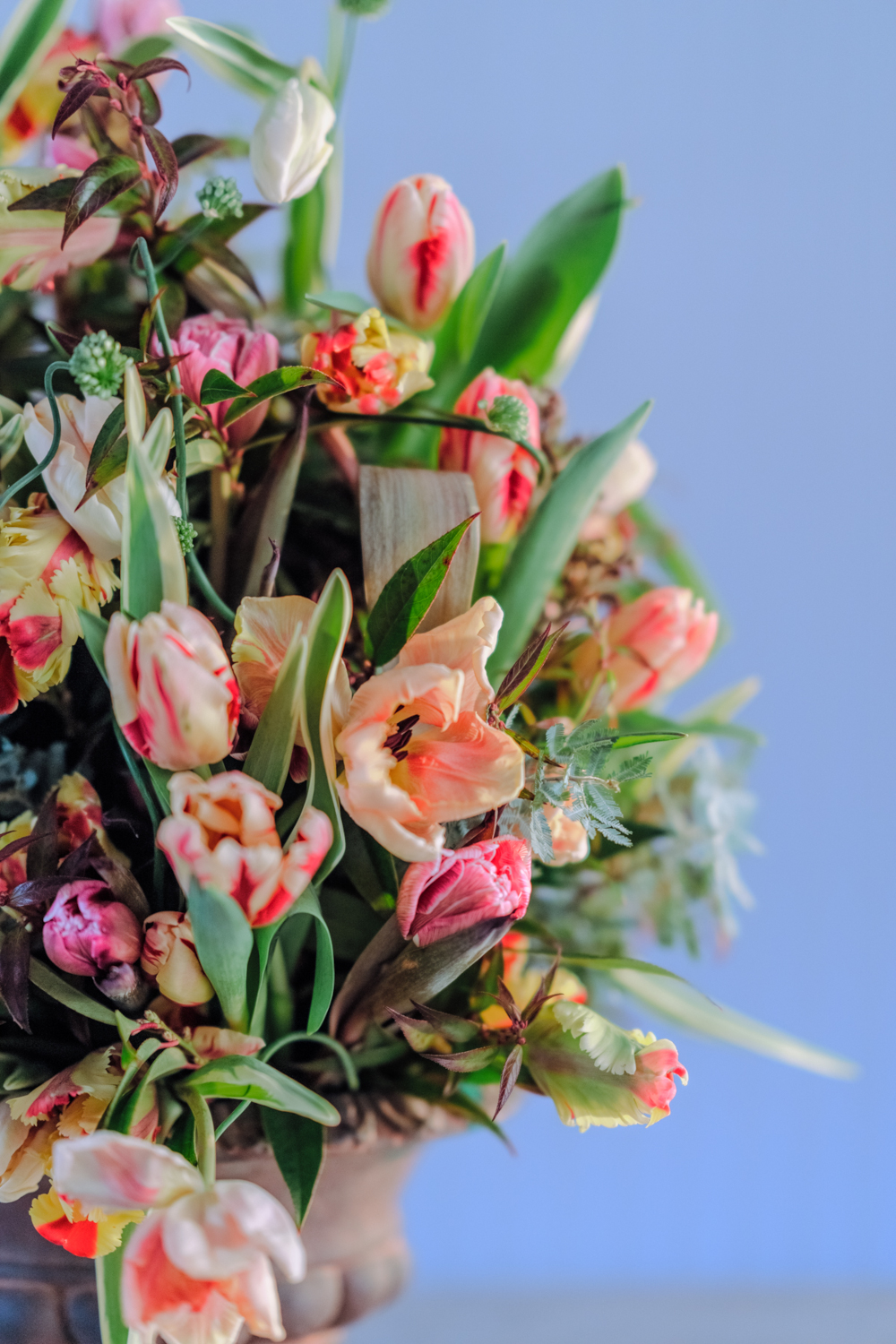
- Tulips: ‘They come in gorgeous colours. Deep, romantic reds. Rich plums.’
- Hellebores: ‘Elegant white or pale pink winter blooms.’
- Anemones: ‘Delicate and papery with dramatic dark centres.’
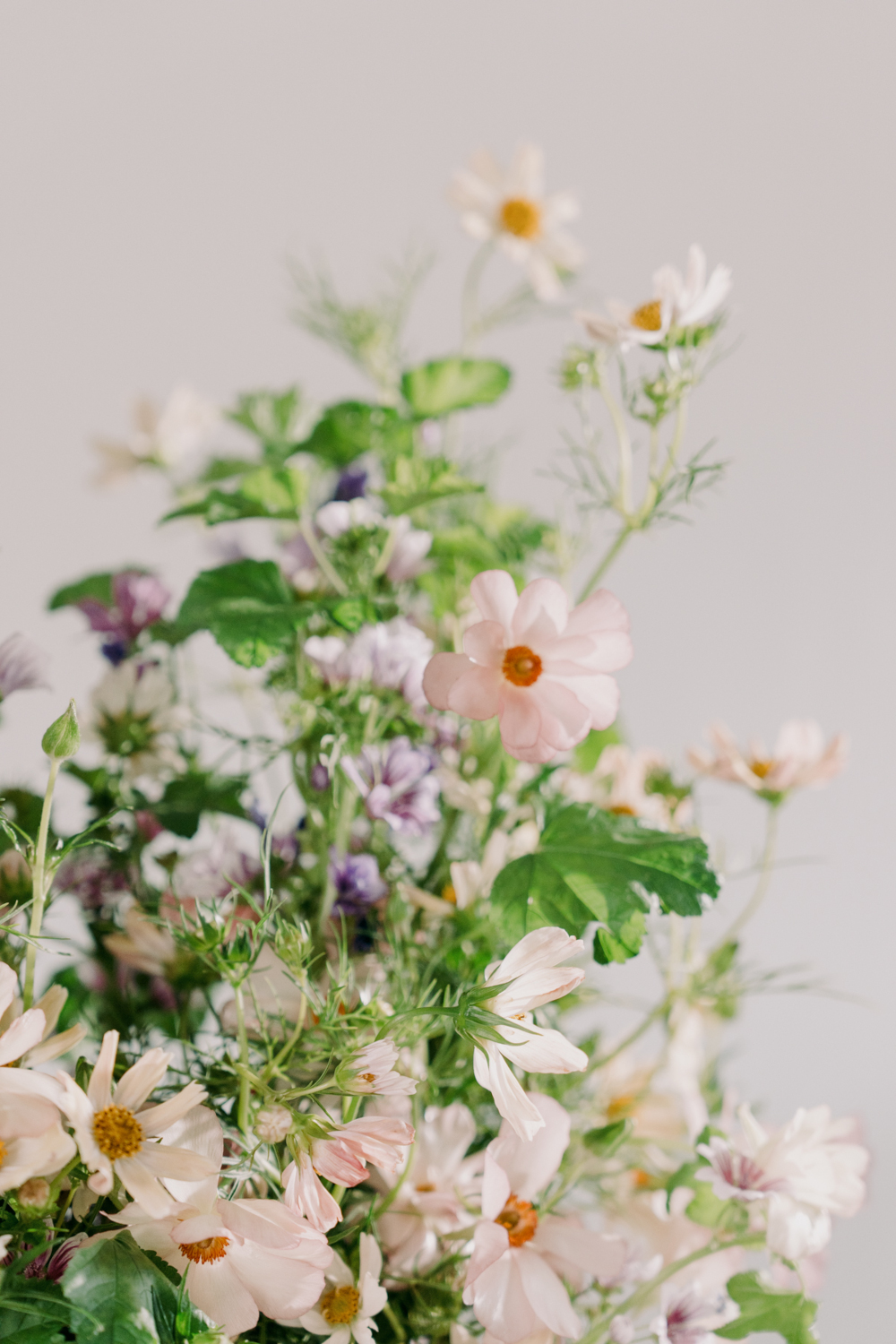
- Ranunculus: ‘They have stunning layered petals.’
- Hyacinths: ‘For an added sensory element; these are intensely fragrant.’
And then, for texture, Michael tells us there’s curly willow, hazel twigs, rosemary, blossom branches and heather. ‘There’s actually a really lovely, romantic palette if you embrace what the season naturally offers.’
Blooming Haus
Get Info On Imports
And if you can’t resist roses on Valentine’s Day, be prepared. Don’t go in blindly – do your research on what happens to these flowers and how they get to your chosen florist. ‘Perfect roses in winter? Peonies in autumn? Those flowers travelled far, so check the source,’ advises Michael. ‘Don’t assume that buying from a local shop means the flowers are local. You need to ask or look into where specifically where they’re grown.’
Start by seeing if you can spot any certifications labelled on the flowers themselves; these will help give an idea of what processes they’ve undergone to get to the shop shelves. ‘For imported flowers, look out for Fairtrade, Rainforest Alliance, organic credentials, and Floriculture Sustainability Initiative (FSI) certification,’ says Michael. ‘These aren’t marketing fluff. They require real evidence and rigorous third-party verification.
‘The FSI specifically addresses one of the industry’s biggest problems: supply chain opacity – meaning you often have no idea about the environmental or social conditions under which they were grown. FSI certification guarantees transparent, responsible sourcing.’
You can also check out business sustainability credentials, Michael adds. ‘Certifications like B Corp and Planet Mark recognise businesses that excel at measuring, engaging, and communicating their sustainability efforts.’
Think About The Waste Value
It’s not just the flowers to think about – there’s the packaging, too. ‘If you’re choosing an arrangement, make sure it’s plastic and foam-free,’ emphasises Michael. ‘No floral foam. No plastic wrapping where it’s avoidable. This should be standard, but it’s often the first sustainability compromise florists make.’
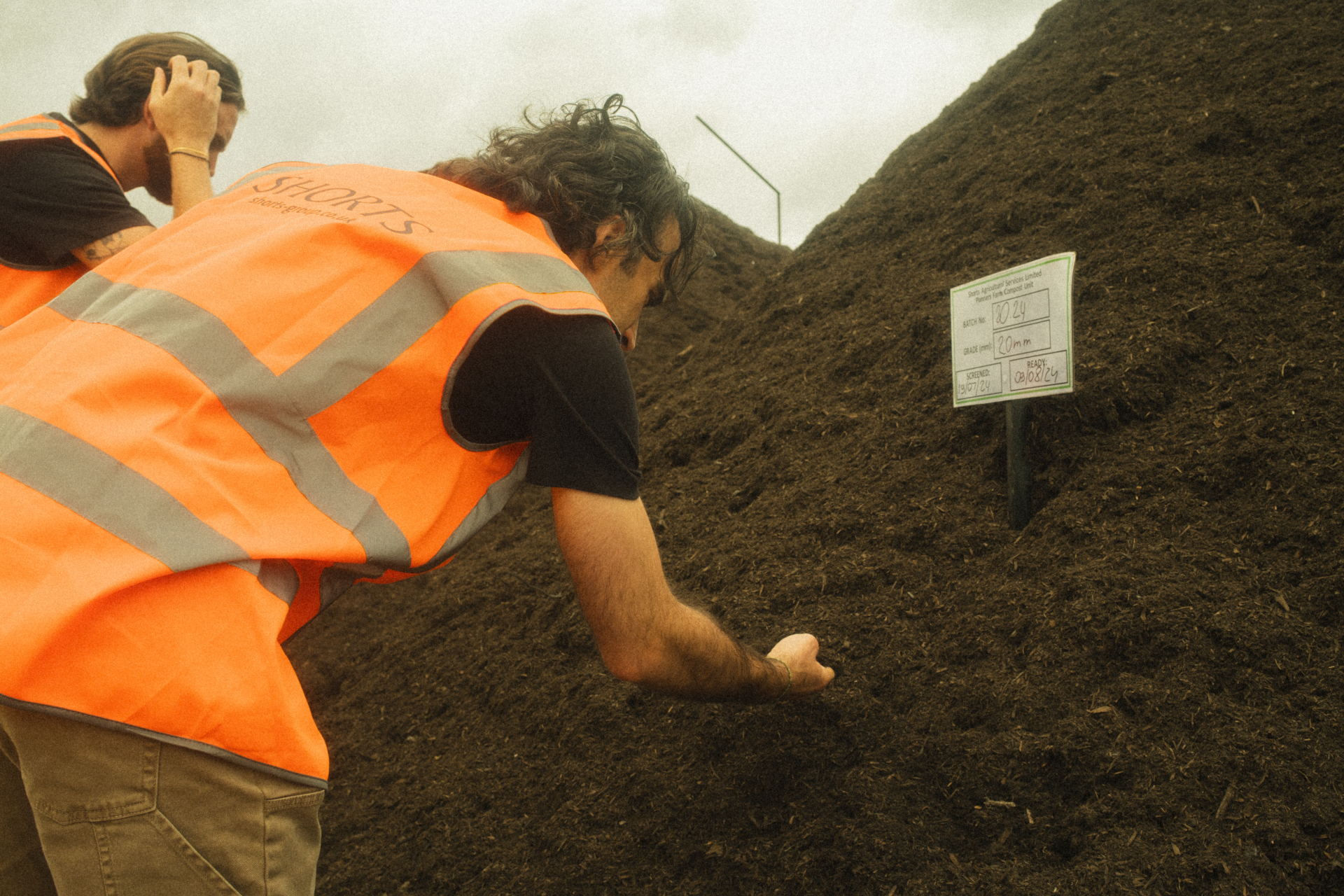
There’s also the waste that gets created away from the shop floor. ‘While customers handle the finished bouquet, florists produce enormous amounts of green waste behind the scenes – stems, leaves, offcuts,’ highlights Michael. ‘Traditionally, all of that goes to landfill where it decomposes and produces methane.’
Instead, Michael recommends we ‘look for florists doing something different with their waste streams’. Blooming Haus, for example, has diverted 100 percent of its waste from landfill by composting its stems, leaves and offcuts and selling it back into the British flower and food farming industry.
Blooming Haus
But Watch Out For Greenwashing Claims
While it might sound nice on the tin, not all claims for sustainability should be believed. As a rule, it’s best not to be lured in by any wishy-washy claims. ‘Watch out for vague language,’ warns Michael. ‘Labels like “eco-friendly” and “sustainable” aren’t enough; they needed specifics backing them up. If a company can’t tell you exactly what makes them sustainable with actual numbers, verifiable certifications, concrete practices, it’s likely just green washing.’
Speak To Your Florist
And, if in doubt, ask your florist. ‘You can ask them what’s in season right now. Ask where their flowers come from. Ask if they use floral foam. Ask what they do with their waste,’ says Michael. ‘They should be excited to share this with you.’
And don’t be afraid to ask for their help in nailing the language of flowers. ‘They’ll be able to help you find flowers that symbolise the emotion you’re trying to express,’ says Michael. ‘Yes, red roses are synonymous with Valentine’s – but there are so many other beautiful seasonal flowers with equally powerful symbolism.
‘Tulips represent perfect love. Ranunculus means “I am dazzled by your charms”. Anemones symbolise anticipation and emotional sincerity. There are plenty of alternatives to a classic red rose bouquet.’