


From Beach Club To Beach House: Why Nikki Beach’s Next Chapter Is In Antigua
By
1 month ago
Nearly three decades after tragedy, the barefoot-luxury empire is building its flagship residences on the longest beach in Antigua. Jessica Harris meets founder Lucia Penrod to find out why
The first thing you notice at Nikki Beach St Tropez isn’t the signature rum cocktail, the Magnum ice cream bar or even the sun-soaked pool: it’s the tempo. Come for the earlier seating, at half past twelve, and lunch is a civilised hum of low music accompanied with chilled rosé with umbrella pines throwing shade across the decking. Stay for the second, however, and the volume climbs, the champagne arrives trailing sparklers, and by four o’clock three generations of one family are dancing on the table in their swimwear as if it’s not a regular Monday afternoon. ‘You can kind of get whatever you’re looking for here,’ founder Lucia Penrod tells me, watching it unfold with the easy calm of someone who has done so, season after season, for 28 years.
I’ve come to St Tropez, more specifically, to the second Nikki Beach ever to open, back in 2002, to talk to Penrod about the brand’s most ambitious chapter yet: a flagship collection of residences rising on the longest beach in Antigua, due to open in 2030. But to understand where Nikki Beach is going, you first have to understand where it began – and it wasn’t in the boardroom.
‘We never sat around a table saying, “Let’s come up with a concept, and this is the business plan, and this is where we’ll be in five years,”’ she says. ‘The growth was very organic.’ In the late 1990s, she and her husband Jack ran the all-American Penrod’s Beach Club on Miami’s Ocean Drive until the day Jack’s 18-year-old daughter, Nicole, was tragically killed in a car accident. Despite their overwhelming grief, they made the decision to prioritise celebrating her over mourning her. They filled in the swimming pool, secured the city’s blessing, and planted a garden in her memory with Jack laying the trees himself while Lucia built a butterfly garden by hand, calling the new venture, Café Nikki. ‘It might sound strange,’ she says, ‘but there was great energy in that garden, because we never did it with the idea of it being a business at all.’
Little did they know that what grew there wasn’t just flowers and fauna, it was a global enterprise planted by a pair of local surfers who asked to move their Monday night party into the garden. With them came a beautiful young crowd that included Madonna, Al Pacino, Harrison Ford and a teenage Leonardo DiCaprio at a time in the nineties, when every film crew was shooting in town. ‘It was a time before camera phones so they could all have fun in private like everyone else,’ Penrod explains. It wasn’t until guests started asking whether the magic might be conjured in daylight too, that the Penrods (who have always run the business by giving customers more of what they love) said yes, and in 1998 the first Nikki Beach was born.
The rest became an accidental empire, with beach clubs unfurling across St Tropez, St Barth, Marbella, Dubai and Koh Samui, and with it, one of its most enduring rituals also arrived by whim when Naomi Campbell chose Nikki Beach St Tropez for her birthday party in 2002. After changing her mind about the colour scheme hourly – pink, then blue, then yellow – she landed, at last, on white, whereupon every boutique in St Tropez sold out as guests scrambled to comply. ‘When Jack and I walked in that night and everything was white, we said: this is it,’ Penrod recalls and the famous White Party, now the signature of every opening and anniversary across the group, was born from a supermodel’s indecision.
If any of this sounds transactional, Penrod is quick to correct you. ‘We’re not a transactional brand,’ she says, more than once. ‘We are an emotional brand.’ The proof of this is in her people, some of whom have been with her for 20 years, long enough for her to have watched them marry, have children, divorce and grow up. ‘They’re my family,’ she says. ‘It sounds like a cliché, but they’re like my kids.’
When one of them needed to move to Dubai to be near his own child, she invented a role so that he could stay, because loyalty, in her telling, runs both ways. Every morning, her staff are reminded of the same mantra; count your blessings, decide that today you are celebrating life, and when you leave the house, make it contagious. And it’s applied without hierarchy. Whether the guest at the table happens to be Jeff Bezos (a regular) or the woman who sold you your sunglasses, as Penrod puts it, everybody is treated exactly the same.
That philosophy was hard-won, and this past year it deepened once again as Lucia’s husband and Nikki beach co-founder Jack Penrod – the McDonald’s line cook who became one of Florida’s biggest franchise owners before reinventing the beach club altogether – died last year, further cementing the brand’s ethos of celebrating life. Although it could be mistaken for a clever marketing line, the origins remain as a way of metabolising grief and choosing, quite deliberately, to keep dancing.
Which brings us, at last, to Antigua. The move from beach clubs into hotels and then residences was, in keeping with everything else, largely unplanned. The group noticed that its partners’ returns soared the moment Nikki Beach arrived, and that a growing number of guests no longer wanted simply to visit the feeling but to live inside it. Penrod, however, is exacting about where the name is allowed to go. ‘A lot of brands just give you the right to use the name; you put it up and that’s it. We’ve been very careful,’ she says. ‘You already know me, you have expectations, and I want to make sure I meet them.’
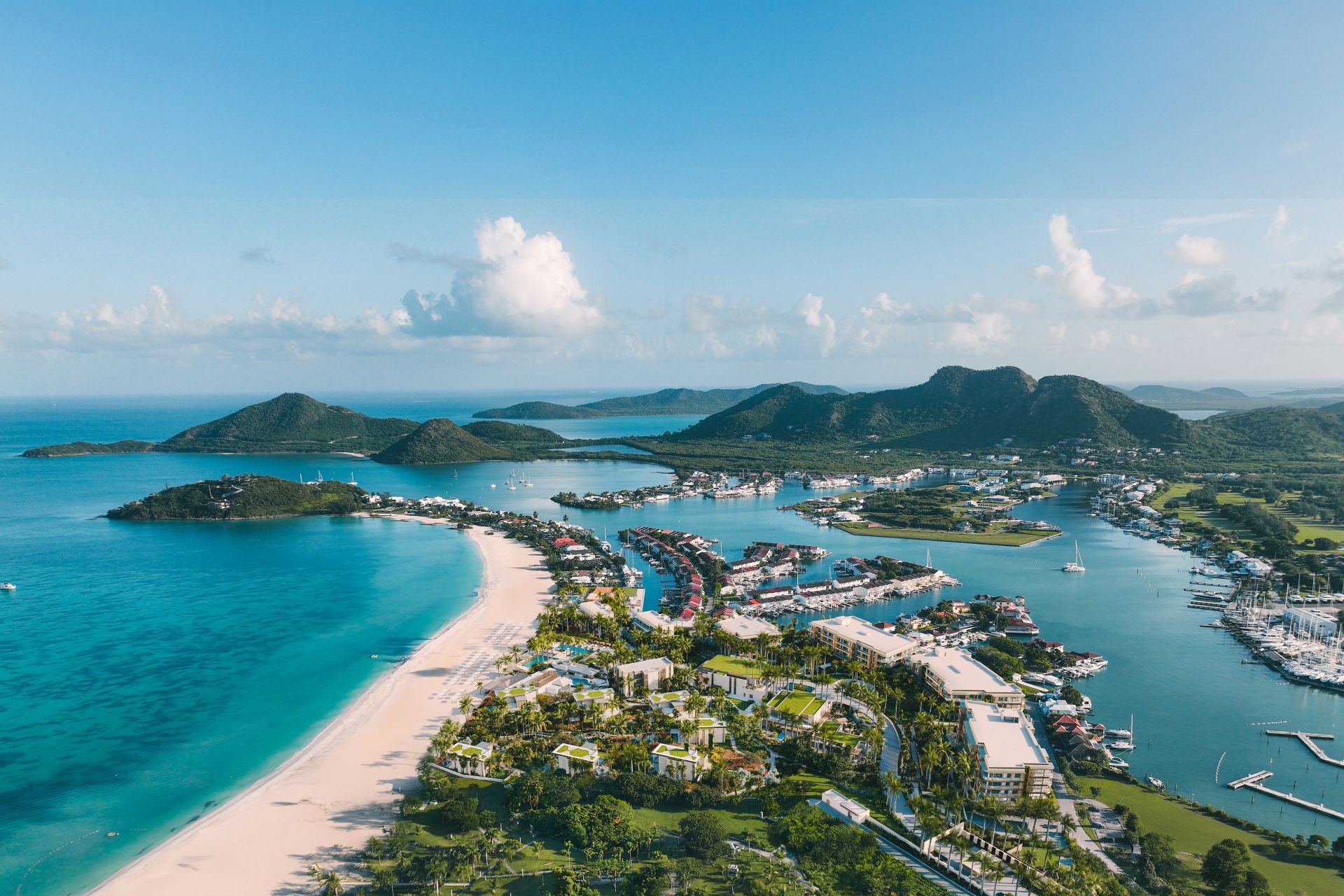
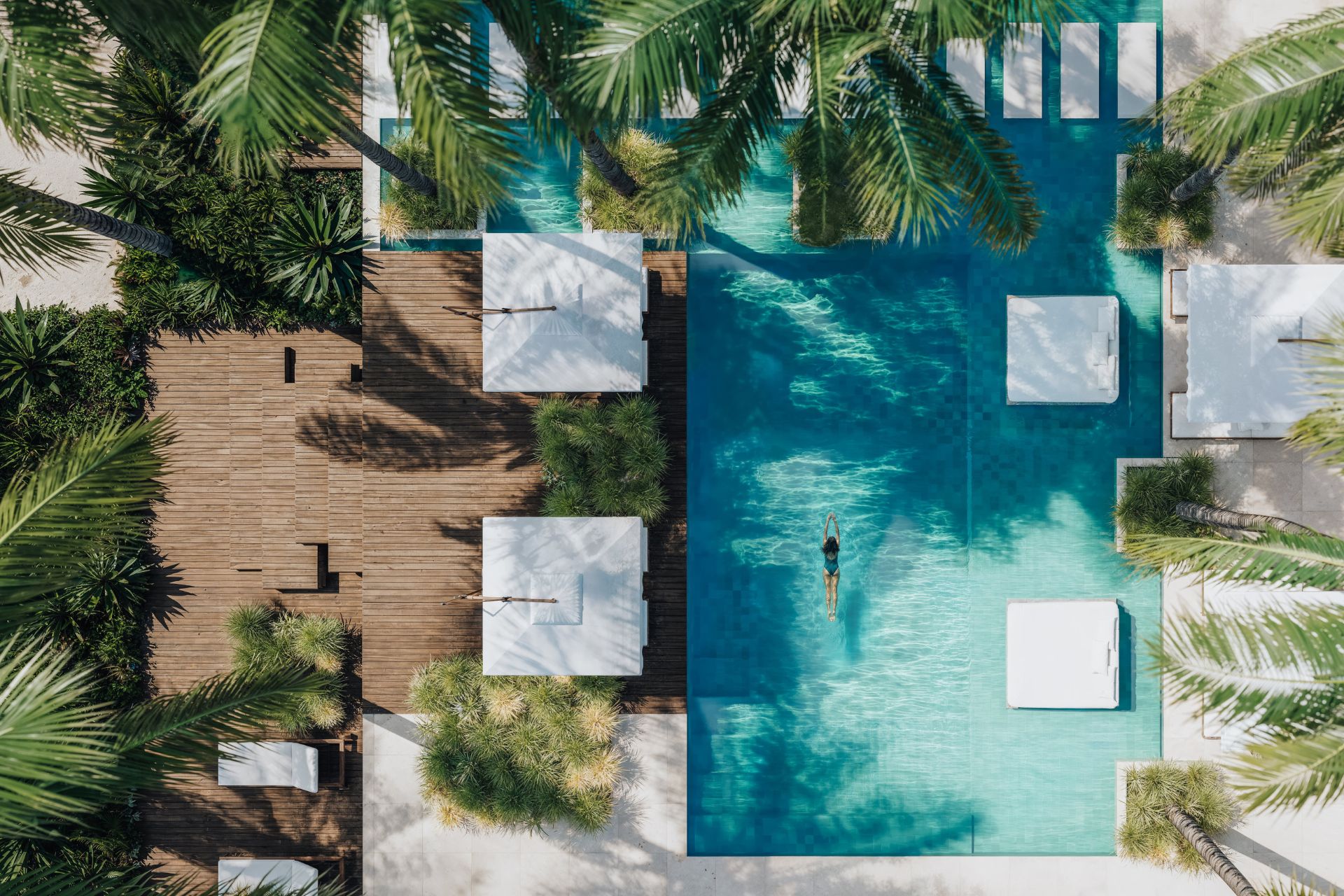
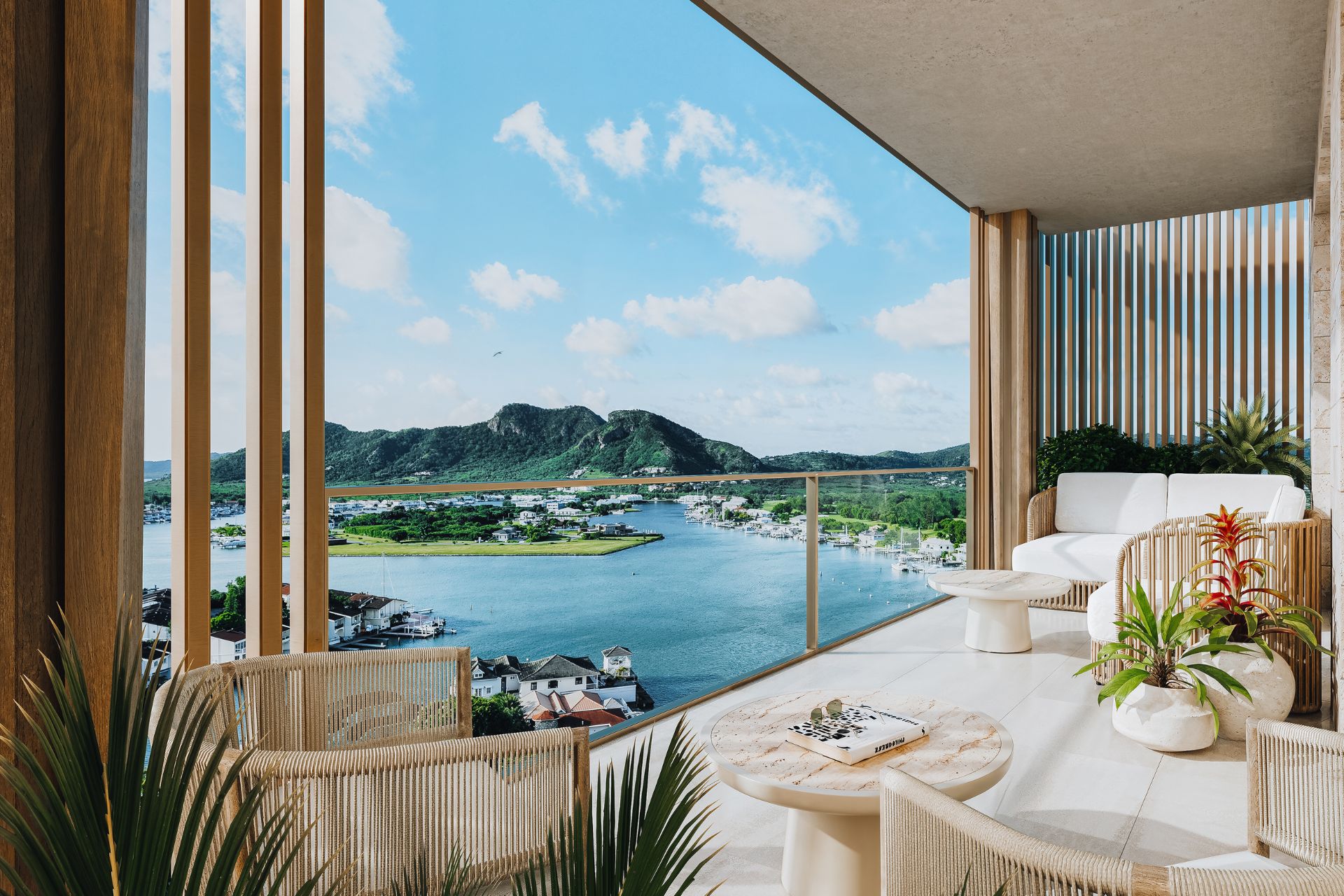
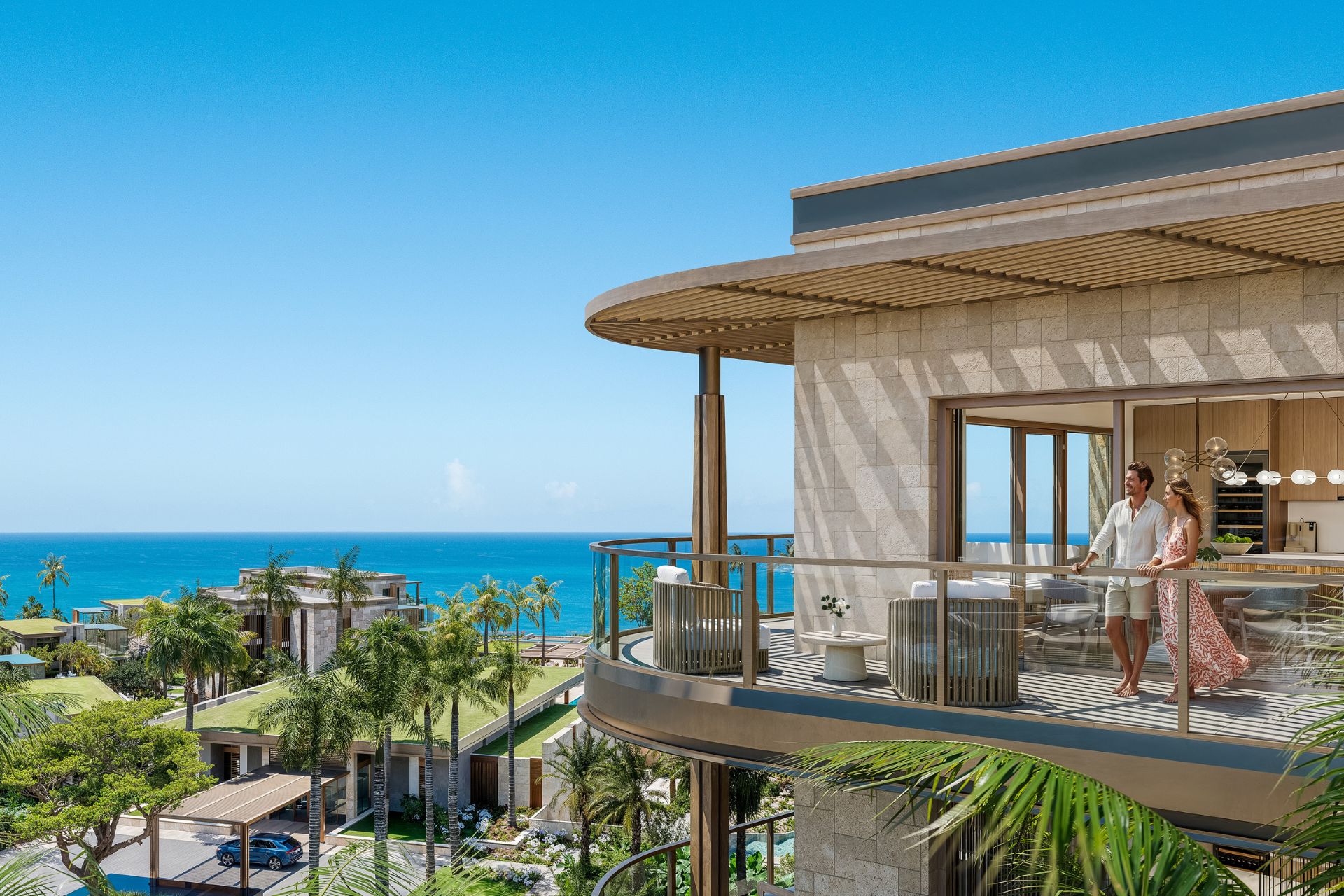
Antigua is where those expectations meet their full potential and promise to secure Nikki Beach as a lifestyle brand beyond the bassline. The Residences at Nikki Beach Resort & Spa Antigua – a US$400m-plus development on Jolly Beach, the longest of the island’s fabled 365 – will be Antigua’s first luxury branded resort as well as the group’s global flagship, and its fundamentals are as considered as the philosophy behind them. There are 134 fully turnkey homes: 127 branded residences ranging from studios to three bedrooms (from US$1.2m) and seven four-bedroom beachfront villas (from US$7.8m), each delivered finished and furnished, and each eligible for the seductive Antigua and Barbuda’s Citizenship by Investment Programme.
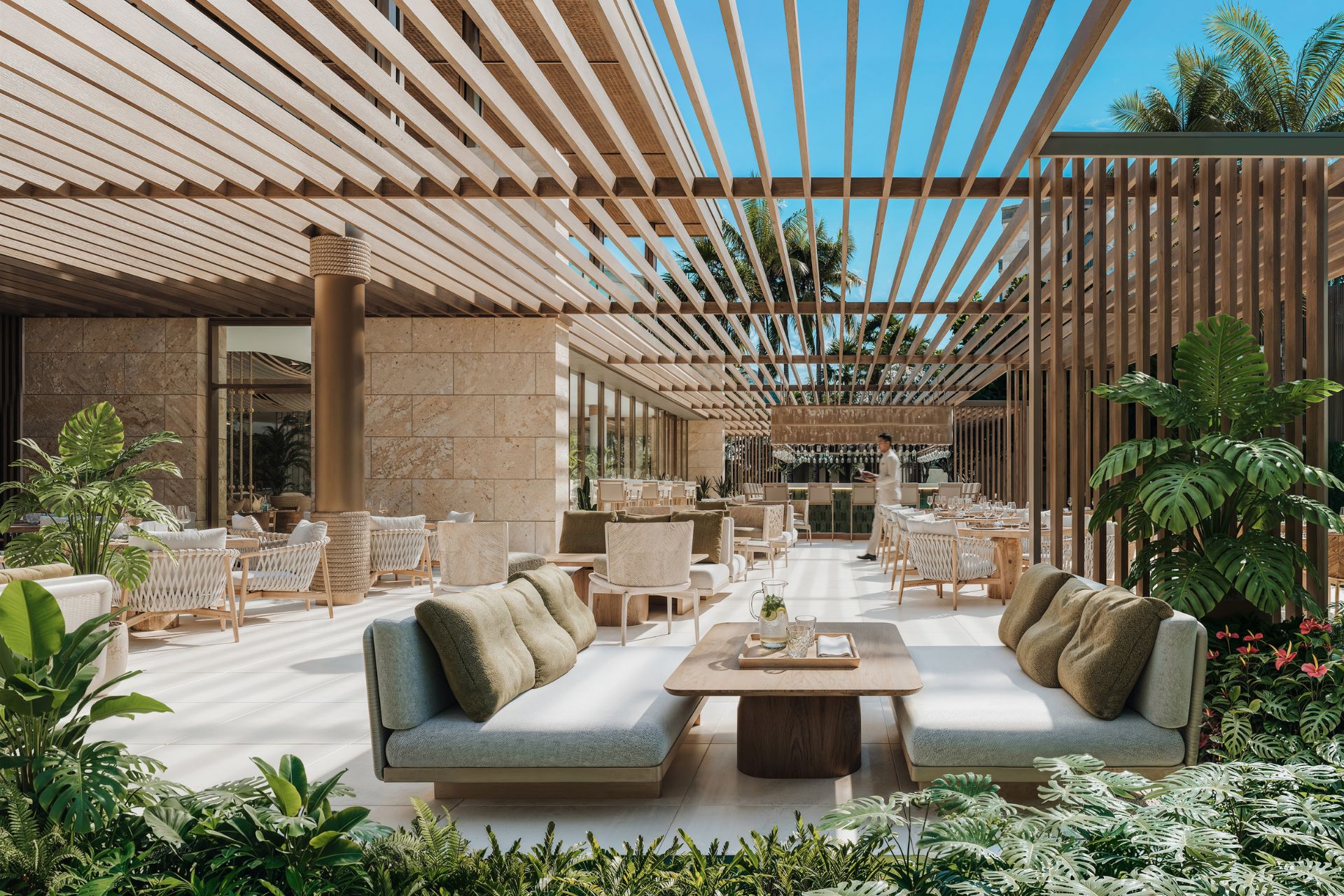
For a piece of real estate, owners are given a personal concierge on call around the clock, five restaurants, a spa of some 11,000 sq ft (the largest in the Caribbean), and access to a like-minded community. In fact, the project has been designed with the latter very much in mind – from engaging kids and teenage rooms to dining tables built deliberately long, with the hope to turn strangers into friends over the course of an afternoon.
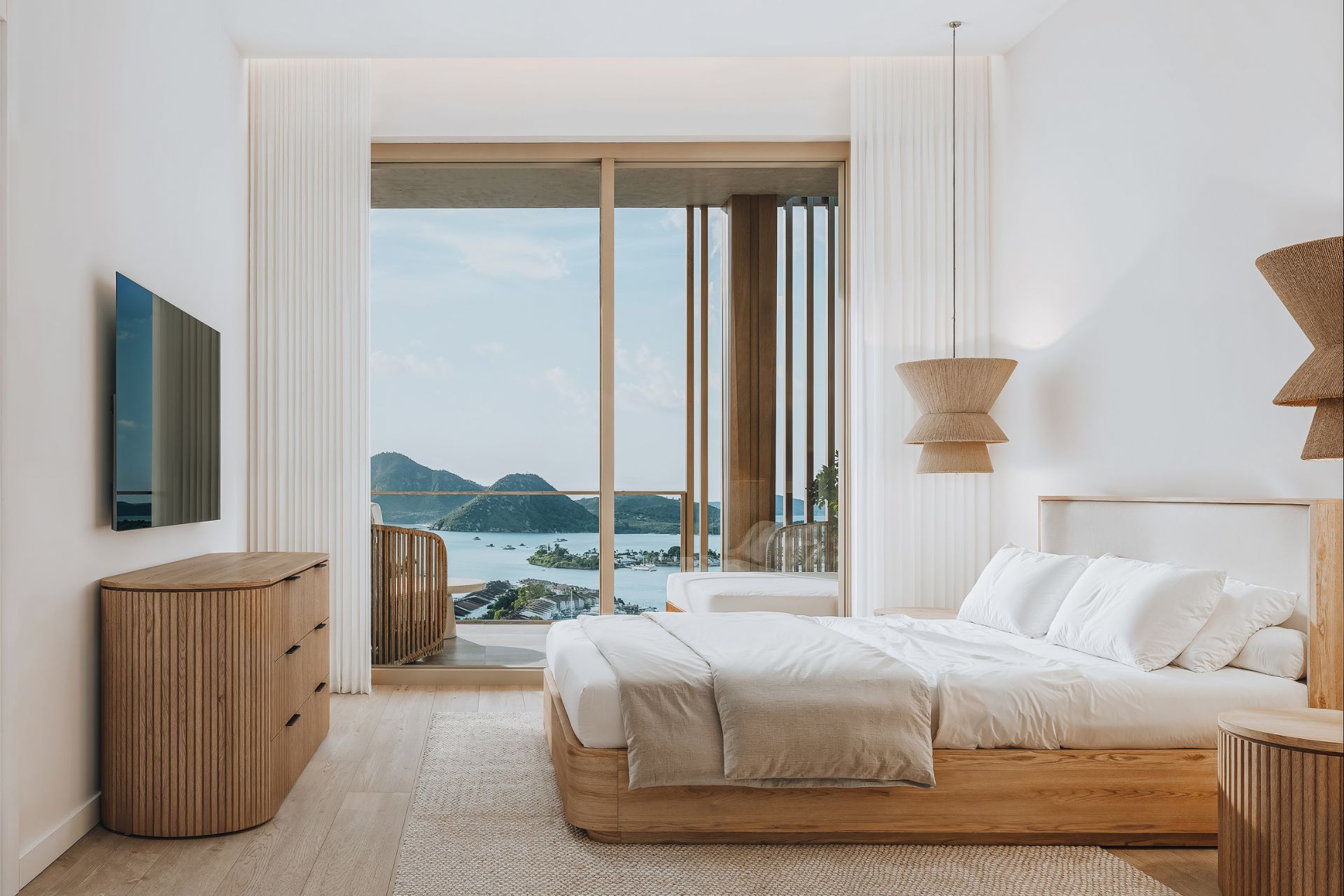
Never ones to forget their roots, Nikki Beach have enlisted design powerhouse HKS Architects to create a ‘Garden by the Sea’ concept, strengthened by ROAM Interior Design Studio to marry the residences with the surrounding nature. Think weathered wood, hand-smoothed plaster, locally quarried stone and buildings angled to frame the water, the marina or the greenery, dissolving the line between indoors and out. It’s barefoot luxury rendered in architecture to feel less like a resort dropped onto a beach and more like something that was always meant to grow there.
It’s a concept very much welcomed by the local community and it was this sense of responsibility that stayed with me the longest. As a serious, long-term investment in the island by developer Ayre Group, it’s one measured not merely in villas but in livelihoods with hundreds of construction jobs due to be created, 400 permanent roles available once the resort is operational, and local hiring and training placed at its centre. It will also include solar panels across every building, electric golf buggies for staff, and turtle-friendly lighting to protect the beach’s nesting turtles. ‘Leave better than you arrive’ is the closest thing the project has to a motto, coined by Penrod herself, and it is meant to apply as much to Antigua itself as to any guest who passes through.
Back in St Tropez, over the last of the rosé, I ask Penrod what the garden, the empire, the glamour has been for. ‘When you die, you take nothing with you,’ she says at once. ‘But if you created great memories that people carry in the back of their minds, that is immortality.’ It began, all those years ago, as a garden planted in grief and named for a daughter but nearly 30 years later, in another hemisphere and on an altogether grander scale, it’s still quietly growing.
Find out more at ownnbantigua.com