


July’s Full Moon Will Rise This Week: All The Buck Moon Details
By
3 months ago
Another month, another moon
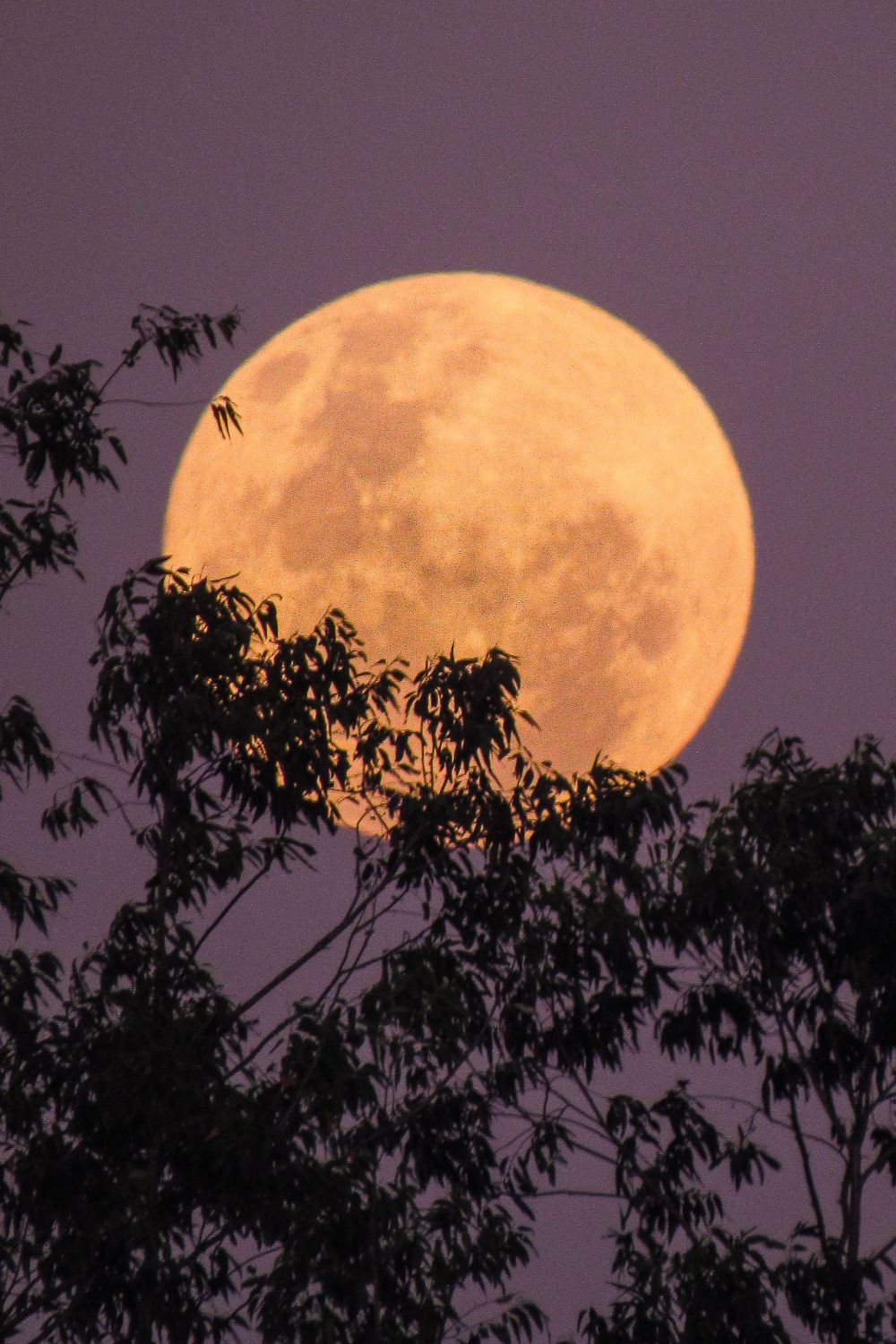
The eighth full moon of 2026 will rise in the sky later this week. Here’s everything you need to know about the Buck Moon, July’s full moon, including when to see it.
What Is The Buck Moon?
Every year, the moon appears full at least 12 times, typically once per month. Because the lunar cycle is 29.5 days long, however, every two to three years there will be 13 full moons, with two bookending one of the 12 months. This is the case in 2025, when the additional full moon rose at the end of May.
In line with tradition, May’s additional full moon was called the Blue Moon, and it came after May’s annual full moon, the Flower Moon. The Flower Moon is one 12 annual names for the full moon, all reflecting the season in which they rise.
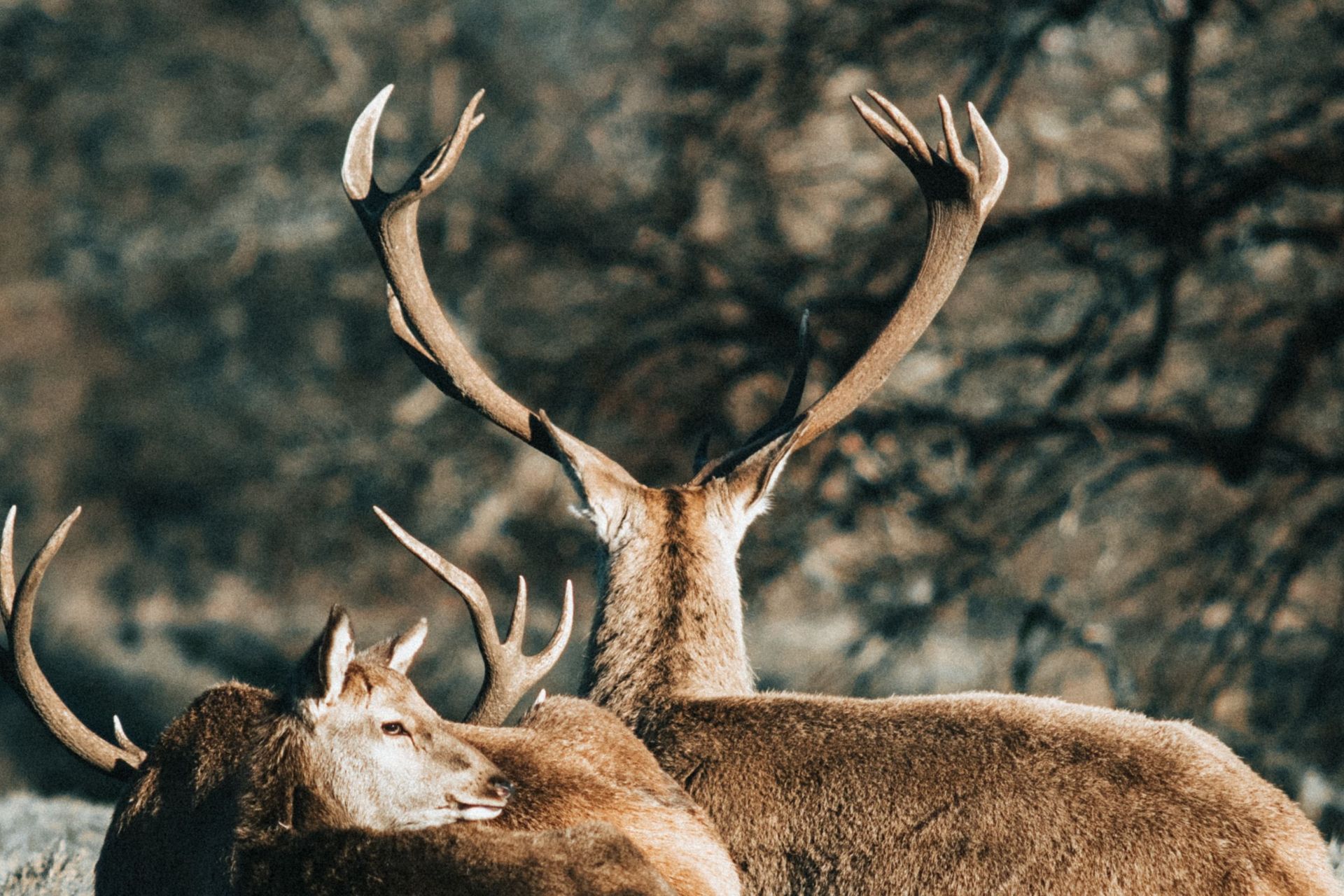
The Buck Moon is named for male deer’s new antlers.
The Buck Moon is the name of the full moon that rises in the sky every July, named for the new antlers that emerge on a male deer’s (a buck’s) forehead around this time. In the UK, this precedes rutting season in September, when a buck’s full-grown antlers come in useful amid battles for dominance. If a buck’s roaring, stomping and physical size does not scare his rivals away, then it’s time to lock antlers in a fierce battle. By early November, the testosterone has died down again, leaving antlers to be shed between November and May, before they are grown anew come July.
The names we have for full moons stem from the Native American tradition, first written down in the The Old Farmer’s Almanac, which has been published every September since 1792. As such, there are lots of other names for the Buck Moon, including the Salmon Moon, Raspberry Moon and the Thunder Moon.
Of course, Native Americans are not the only civilisation to revere the moon. In fact, the full moon’s regular cycle has been integral to tracking the changing months and seasons since antiquity. In Celtic tradition, July’s full moon is variously known as the Claiming Moon, Wyrt Moon, Herb Moon and Mead Moon, with Wryt and Herb hinting now is the time to forage your herbs and dry them to be used as spices and remedies later in the year. Inspired by July’s hay harvest, the Anglo-Saxons called this month’s full moon the Hay Moon.
How To See It
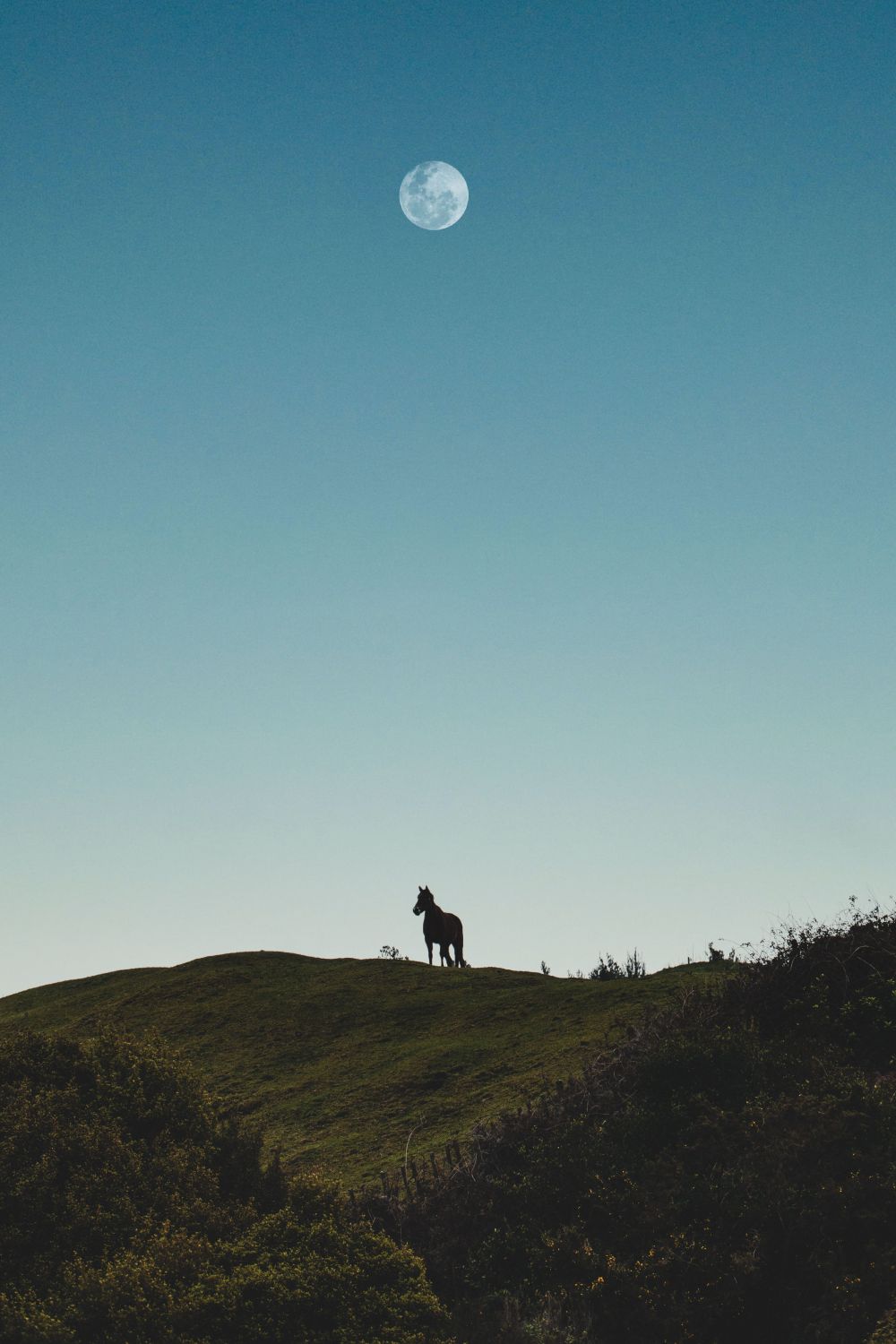
The best views of July’s Buck Moon will be at moonrise (9.07pm), shortly after sunset (8.53pm) on Wednesday 29 July. Coincidentally, the fourth heatwave of 2026 unfolding across the south of England this week is expected to peak on the same day, with temperatures forecasted to hit 32° (or more) in London. On Wednesday, that also comes with clear skies and a long, warm evening – perfect for getting outdoors and admiring the shiny full moon.
Elsewhere in the UK, scattered showers are forecasted, which is not ideal for full moon visibility. However there should not be any persistent rain. Though cloudy conditions are expected all week, if you find a clear sky on the evenings either side of the full moon’s peak – Tuesday 28 and Thursday 30 July – the moon will still appear to be pretty full.
If you think the moon looks rather large on Wednesday night, that’s thanks to the moon illusion – a phenomenon where a moon sitting closer to the horizon appears bigger and brighter than usual, due to the light being warped by a thicker layer of atmosphere. This is also why you might notice the moon taking on a warm orange hue, as blue light is filtered out.
2026 Full Moon Calendar
There are 13 full moons in 2026, including the Blue Moon which appeared in May. They are:
- 3 January: Wolf Moon
- 1 February: Snow Moon
- 3 March: Worm Moon
- 2 April: Pink Moon
- 1 May: Flower Moon
- 31 May: Blue Moon
- 30 June: Strawberry Moon
- 29 July: Buck Moon
- 28 August: Sturgeon Moon
- 26 September: Harvest Moon
- 26 October: Hunter’s Moon
- 24 November: Beaver Moon
- 24 December: Cold Moon