


What To Stockpile For An Emergency, According To A Nutritionist
By
1 hour ago
How is our resident nutritionist preparing for a crisis?
With the government encouraging households to prepare for three days of disruption, having a few essentials stocked up in our homes is sensible. But what should we actually be buying? We asked our contributing health editor, nutritionist Kim Pearson, to share her recommendations from a health perspective.
A Nutritionist’s Guide To Stockpiling
As a nutritionist, I’m looking to prioritise nutrient-dense foods that provide protein, fibre and healthy fats, as well as essential micronutrients like vitamins and minerals. Ideally, these should also be easy to prepare and things you genuinely want to eat. The idea is to be prepared for situations like power cuts, severe weather or temporary disruption to water supplies, without filling your cupboards with food you would never normally buy and that will likely go to waste if there is no emergency. You can build up supplies gradually, adding a few extra items to your weekly shop.
But first, water
Water is the first thing to put on the list. The government recommends storing three litres of drinking water per person per day, which means nine litres per person for three days. You’ll need additional water for cooking, washing and other household needs.
Remember to account for everyone in your home, including pets. Keep bottled water somewhere cool and out of direct sunlight. A garden shed or garage may be a good option, provided it will be protected from extreme temperatures.
Tinned fish and tempeh for protein
Tinned sardines, salmon, mackerel and tuna are excellent emergency protein sources that don’t require fridge storage before opening. Oily fish such as sardines and mackerel also provide omega 3 healthy fats. Check out Fish4Ever for sustainable options. A tin of sardines with chickpeas and tinned ratatouille makes a satisfying, nutrient dense meal. Tuna or salmon can be combined with sweetcorn and mayonnaise, and eaten on oatcakes. I’d choose a selection rather than buying a dozen tins of the same fish. Variety makes meals more interesting, and different types of fish provide different nutritional benefits.
For a fish-free protein option, consider Biona’s jars of tempeh which provide 17g plant protein per 100g tempeh. Protein powders, discussed later, are a convenient way to boost the protein content of meals.

Unsplash
Tinned vegetables that taste good
Tinned vegetables deserve a place in the emergency cupboard, but you don’t need to resort to bland peas and carrots if you prefer something more interesting. One of my favourites is Epicure Ratatouille Niçoise. It is a great cupboard staple because it combines several vegetables in one product and can form the basis of a meal. You can eat it alongside tinned sardines, mackerel, tempeh or chickpeas.
I’d also keep tins of tomatoes, sweetcorn and other familiar vegetables you enjoy. These offer variety and make it easier to put together something that resembles a normal meal, even when fresh food is unavailable.
Look for products with ingredients you recognise (not a list of additives). Having a few options you genuinely like makes it much more likely that your supplies will be used and replaced rather than left gathering dust.
Tinned pulses for a range of nutrients
Tinned chickpeas, lentils, butter beans, cannellini beans and kidney beans are useful things to have in your cupboard. They have a long shelf life and provide a combination of plant protein, fibre and micronutrients.
They can be eaten straight from the tin once drained, making them particularly useful if you have no access to electricity or gas. Add them to tinned vegetables, mix them with tinned fish or enjoy them with a ready to eat salad if fresh ingredients are available. Pulses are also an easy way to make a meal more substantial.
Organic soups, preferably with protein
Soup is an easy cupboard staple, particularly when you want something comforting and filling. I’d look for varieties that contain sources of protein rather than vegetable-only soups. Two brands worth looking at are Amy’s Kitchen and Mr Organic.
It’s worth checking the nutritional information as protein and fibre content can vary considerably between products. If your soup is vegetable focused and low in protein, you can combine it with a source of protein outlined above.
One important practical consideration: most soups are intended to be heated. They can be eaten cold if necessary, provided the product is suitable for consumption without heating, but I would prioritise foods that state they are ready to eat in case you have no means of cooking.
Unsplash
Oats and seeds for fibre rich meals
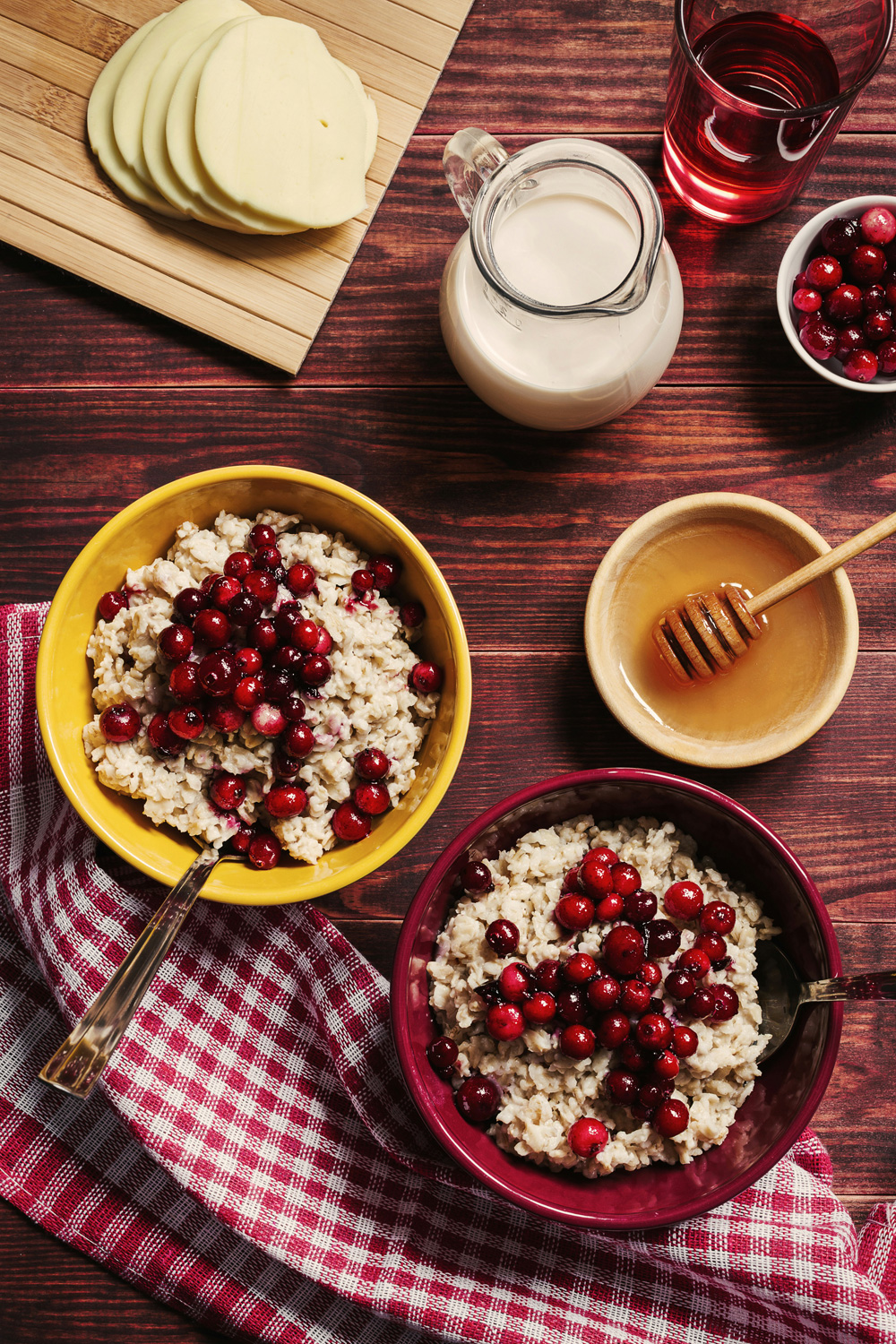
Oats and chia seeds are two versatile cupboard staples that provide fibre and can be used in a number of ways. Both are ideal for emergency supplies because they are lightweight, have a long shelf life and require minimal preparation. Oats can be made into porridge with hot water. Overnight oats offer a no cook alternative. Chia seeds absorb liquid to form a gel-like consistency and can easily be made into a chia pudding. You can also combine the two to make chia overnight oats for an extra fibre boost.
To increase the protein content, stir in your favourite protein powder. You can add protein powder to porridge once it has cooled slightly, or mix it into overnight oats or chia pudding before leaving them to soak. See below for my go-to brands.
Other seeds like pumpkin seeds, sunflower seeds and flax seeds are easy to store and add healthy fats and micronutrients to meals.
Protein powders and meal replacements
Protein powder is well worth adding to your emergency supplies list. It’s lightweight, compact and requires minimal preparation. My personal favourites are WillPowders and Free Soul. As well as stirring into porridge, overnight oats or chia pudding, you can simply mix it with water when needed.
I’d also consider keeping a pouch or two of complete meal replacement powder, such as Raw Sport’s Low Carb Meal. One pouch provides 20 replacement meals, which is breakfast for nearly three weeks. Unlike a standard protein powder, a nutritionally complete meal replacement provides a broader range of nutrients, making it useful when putting together a meal is difficult.
Both options are worth considering when planning your supplies, but they serve different purposes. Protein powder helps increase protein intake, whereas a nutritionally complete meal replacement is designed to provide a wider range of nutrients. Neither are a replacement for whole foods, so I’d still prioritise the cupboard staples discussed above.
Unsplash
Condiments that make cupboard food more exciting
A stockpile of nutritious food is all very well, but if you’re like me, you also want to enjoy what you’re eating. A few good condiments can transform basic ingredients into something more appetising.
Hunter & Gather mayonnaise is something I always keep stocked in my cupboard. Made with avocado oil, it can be added to tinned fish, particularly tuna or salmon, to create a simple, flavourful meal. Note that while it doesn’t require fridge storage before opening, it will do after you have opened it. I also keep a supply of Seggiano pesto. It can be stirred through a variety of foods including tinned fish, pulses or vegetables and can make a simple meal considerably more interesting.
Other useful options include extra virgin olive oil, mustard, vinegar, tamari soy sauce, dried herbs and spices. These take up relatively little space and give you multiple ways to combine the same basic ingredients. Think about flavour as well as nutrition. When you’re working with a limited selection of foods, a few well chosen extras can make all the difference.
Healthy Sweet Treats
Emergency supplies don’t have to be all about tins of beans and vegetables. I’d also include a few sweet treats that are enjoyable to eat, low in sugar and provide nutritional benefits.
Form Nutrition’s protein bars provide 15g of protein and 12g of fibre per bar, with less than 2g of sugar. They are a much healthier alternative to a chocolate bar and as a bonus, Form is also a certified B Corporation.
I’d also recommend Nibble Simply, which makes delicious low carb biscuit bites and dark chocolate trail mixes. Their biscuit bites are made with a cashew nut base and contain much less sugar than conventional alternatives. Including a few treats means you’ll have a selection of foods you’ll be happy to eat, whether or not an emergency arises.
Don’t forget the practical essentials
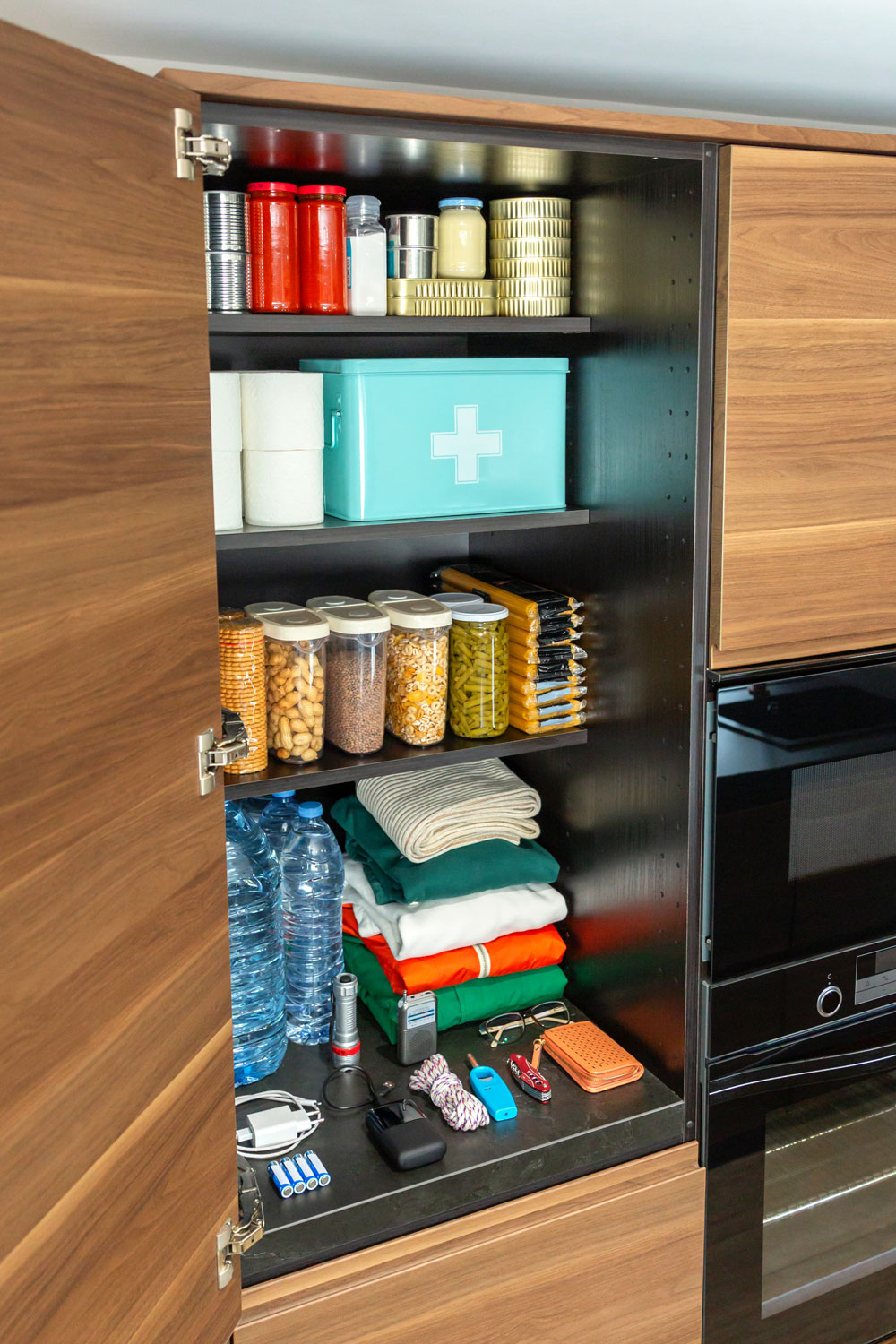
Even the best selection of food will be less useful if you cannot access it or prepare it safely. A manual tin opener, a torch and spare batteries, and wet wipes are useful if water supplies are interrupted. I like Water Wipes.
Make sure you have essential medication and enough food and water for your pets, too. If anyone in your household relies on powered medical equipment, consider what backup arrangements may be necessary.
It is also worth keeping some cash at home in case electronic payments or cash machines are temporarily unavailable. And if the pandemic taught us anything, it was to ensure you always have a good supply of loo roll!
A final thought
Being prepared for an emergency doesn’t mean you need to panic buy huge quantities of foods you’d never normally eat. Start by checking what you already have, then gradually build a small reserve of foods you will enjoy regardless of whether there is an emergency situation.
For me, that includes tinned fish, vegetables and good quality soups, oats, chia seeds, flavourful-but-healthy condiments and a few pouches of protein powder.
The aim is to have enough to manage for three days while maintaining a reasonably varied diet, even if normal routines are temporarily disrupted. A little preparation now can make an unexpected situation considerably easier to manage.
Kim Pearson is Country & Town House’s contributing health editor. A qualified nutritionist with almost two decades of clinical experience, and author of The Nozempic Diet, Kim specialises in weight loss, metabolic health and healthy ageing. To find out more about Kim’s work, visit her website kim-pearson.com or follow her on Instagram.