


The Creative Arts Can Transform Lives – Here’s How
By
3 months ago
C&TH meets Create CEO Nicky Goulder MBE
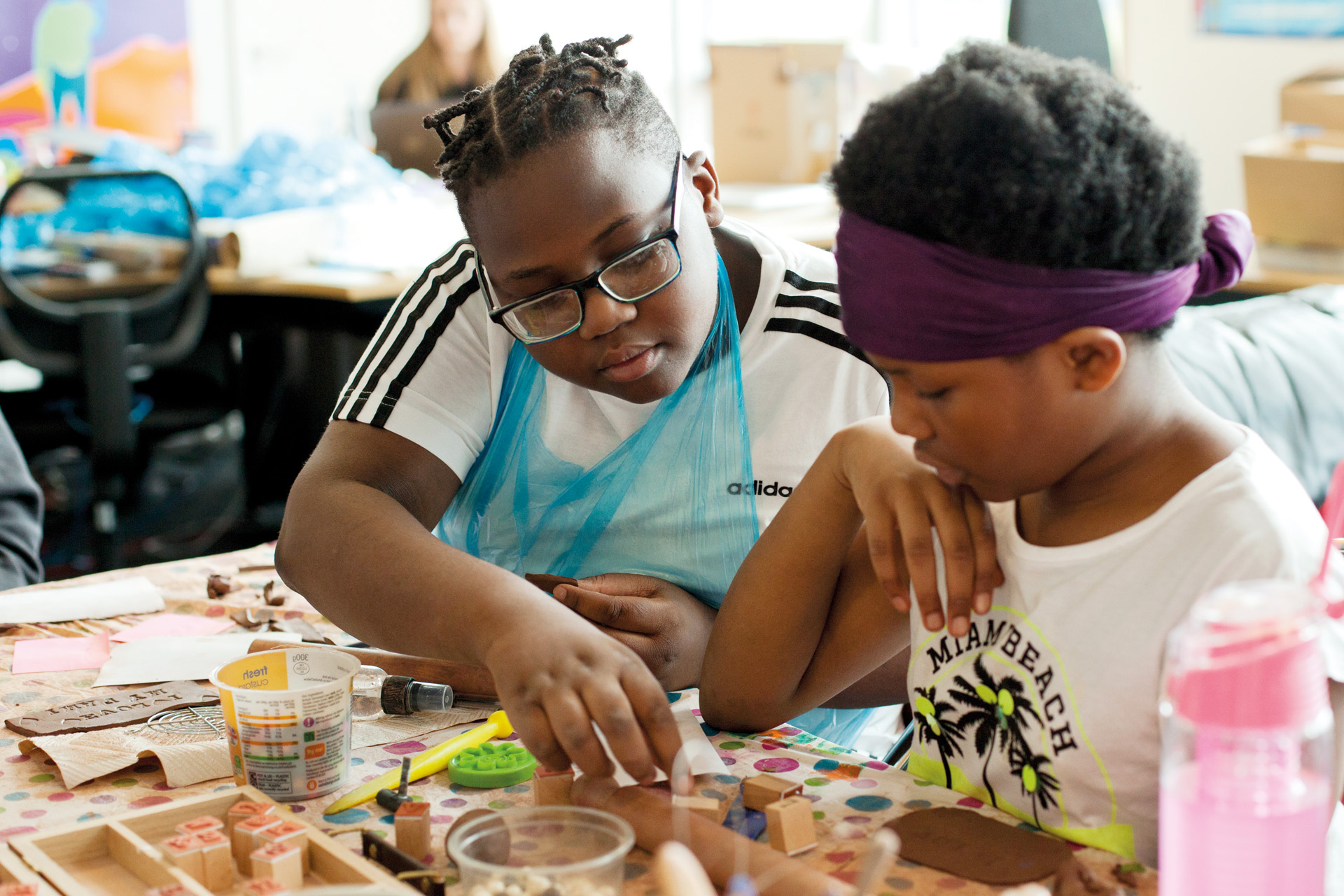
Every year, Country & Town House selects a charity partner, and this year it is Create – the UK’s leading charity empowering lives, reducing isolation and enhancing wellbeing through the creative arts. Every year, from 1 to 7 July, the team hosts Create Week to shout about the importance and power of creativity. Below, Create’s CEO Nicky Goulder MBE gives us the lowdown on the third annual instalment of Create Week, and shares why the creative arts can be life-changing for vulnerable children and adults.
Q&A: Nicky Goulder MBE On Create Week
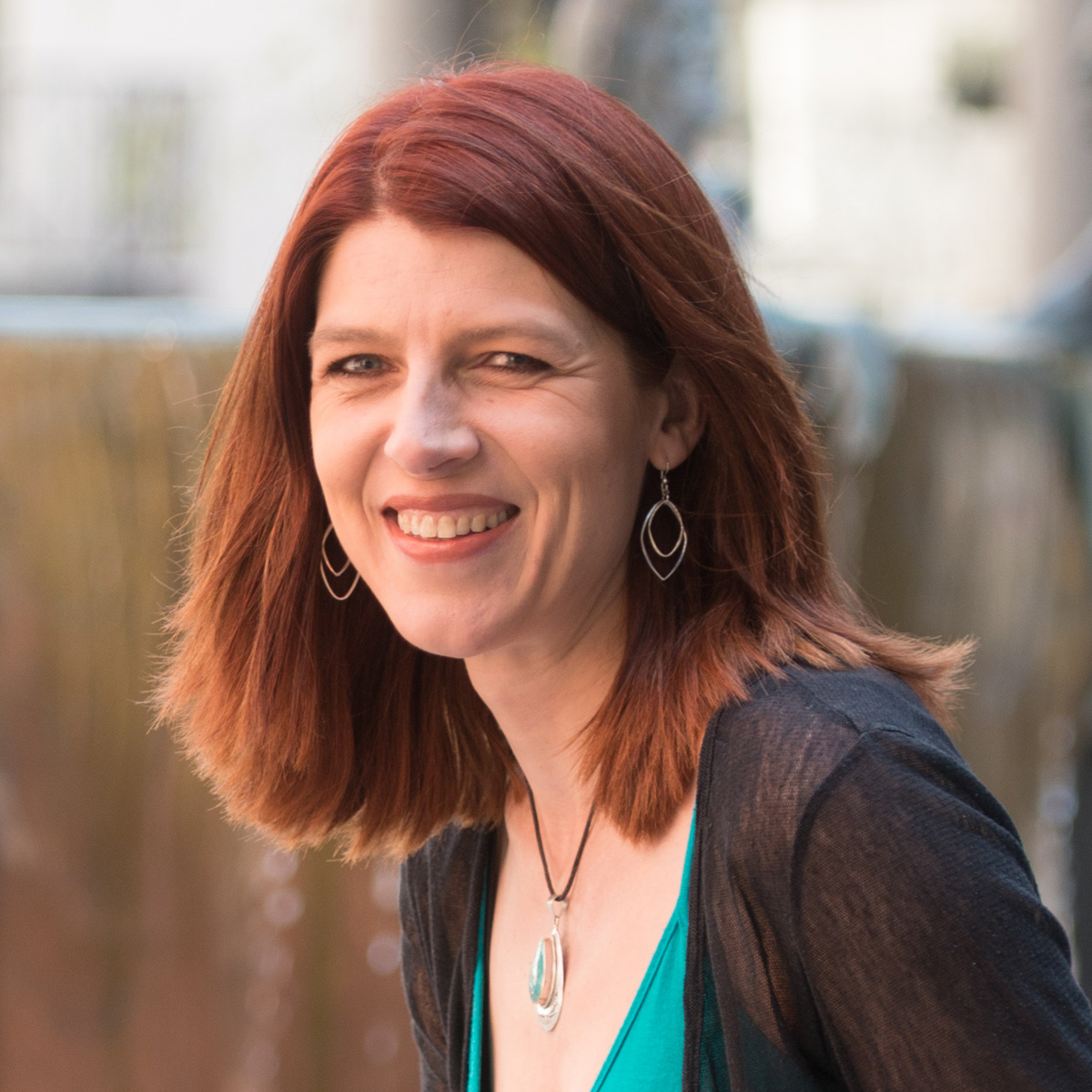
Nicky Goulder MBE is the Founding CEO of Create.
Tell us about Create and Create Week.
As a charity, we fundamentally believe that everybody needs creativity in their lives. There’s masses of evidence around mental health, physical health, living a longer life, and creativity is absolutely core. It enables us to express our feelings and connects us to other people. It’s inspiring, and builds skills, wellbeing and enjoyment.
As a charity, as well as delivering projects across the UK with isolated and vulnerable people, we host Create Week to really promote the importance and power of creativity. Now in its third year, the week-long campaign always takes place from 1–7 July.
The theme this year is Connect, which is one of the five ways to wellbeing, according to the NHS. We want people to be able to connect with themselves, with other people, with the environment and with the present moment.
How can people get involved?
This year, we have one activity per day, each designed to do within just a 10 minute slot. They are going to be available on our website (createarts.org.uk) a few weeks before Create Week. They are all free, you just have to register.
We really hope people – either individually, in offices or with friends or with family – turn off their devices, move away from looking at screens and give themselves that all important time to connect with themselves and be creative.
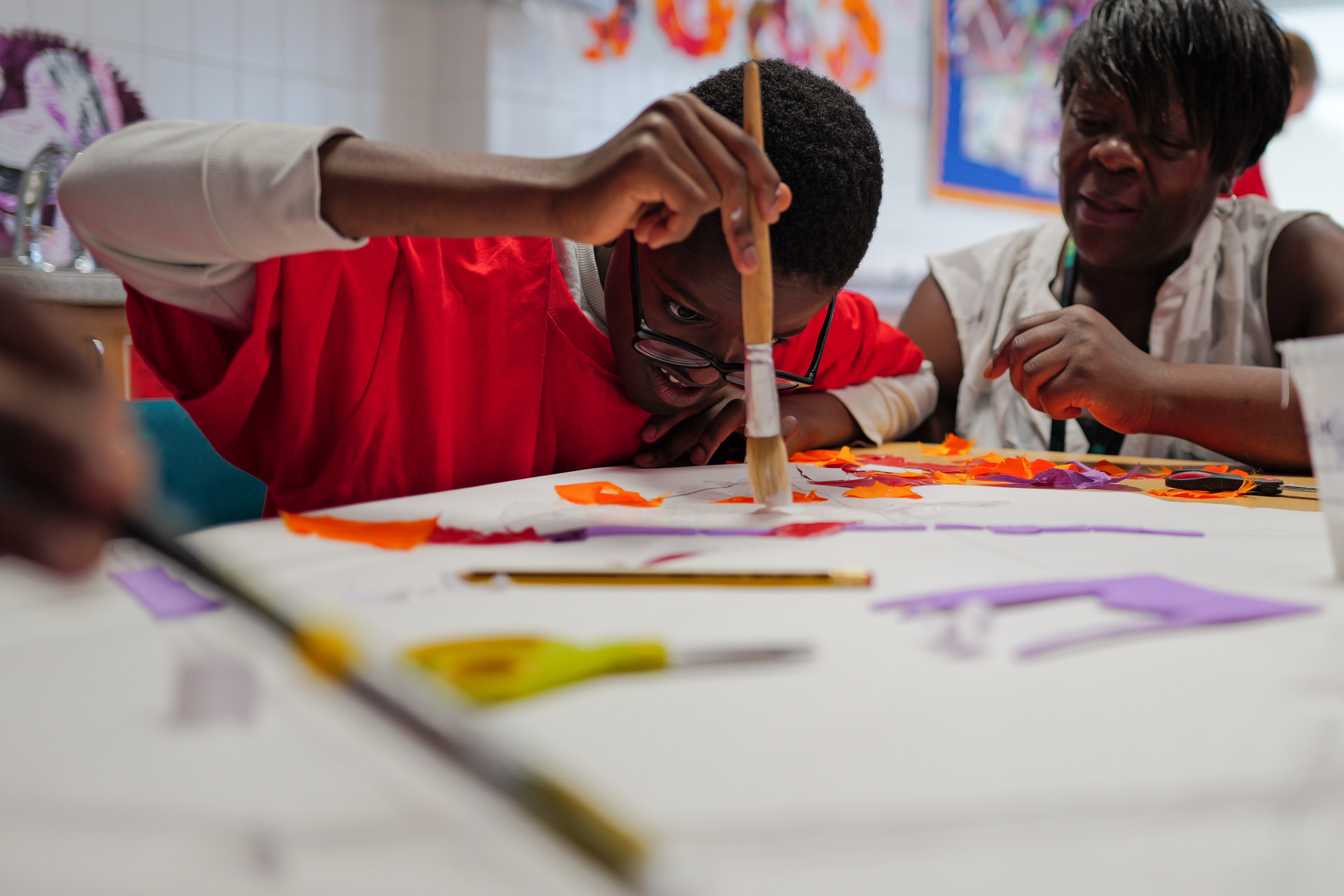
Nicky: ‘As a charity, we fundamentally believe that everybody needs creativity in their lives.’
Who does Create work with?
We work with children in psychiatric hospitals, with unpaid young and adult carers, with children and adults who are disabled or have special education needs, with prisoners in prison settings, with children in care and care leavers, with isolated and vulnerable older people, including many who have dementia, and with other vulnerable groups of children and adults. We have a project working with survivors of modern slavery, we work with young refugees and asylum seekers, and we also work in inner city schools with children and their teachers.
Why is accessing these groups with creativity so important?
The creative arts are fundamental for everybody, and they are such an incredible leveller. They’re incredible for mental health, for reducing stress, and for bringing people together. Often the participant groups that we work with really have the most to benefit, because they are really isolated and are the least financially able to pay for them. All of Create’s activities are free.
One of the issues is that creative activities have been ripped out of our school system. For many children, the only way to access the creative arts is if their families have the finance and the time to take them to after school clubs or Saturday clubs. For many of our participant groups, their families are having to choose between turning on the heating or paying for food – there isn’t money for those extra activities.
We partner with organisations that specialise in our participant groups, whether that’s a special needs school, a prison, a psychiatric hospital or a carer service. All of the programmes are really trying to achieve two areas of social value for our participants. One of them is about skills for life, education and work – things like communication and teamwork skills, being creative, developing an artful skill. The other one is what we call quality of life: enhancing people’s well being, increasing their confidence, and allowing them to feel heard.
All the projects are designed for and with the participants. We’ve been doing this for 23 years now, and we know from the huge amounts of data that we have collected across every programme ever since we started the charity, that the impact on our participants of taking part in projects that are created with and for them to help them to build connections and skills is fundamentally life changing for them.
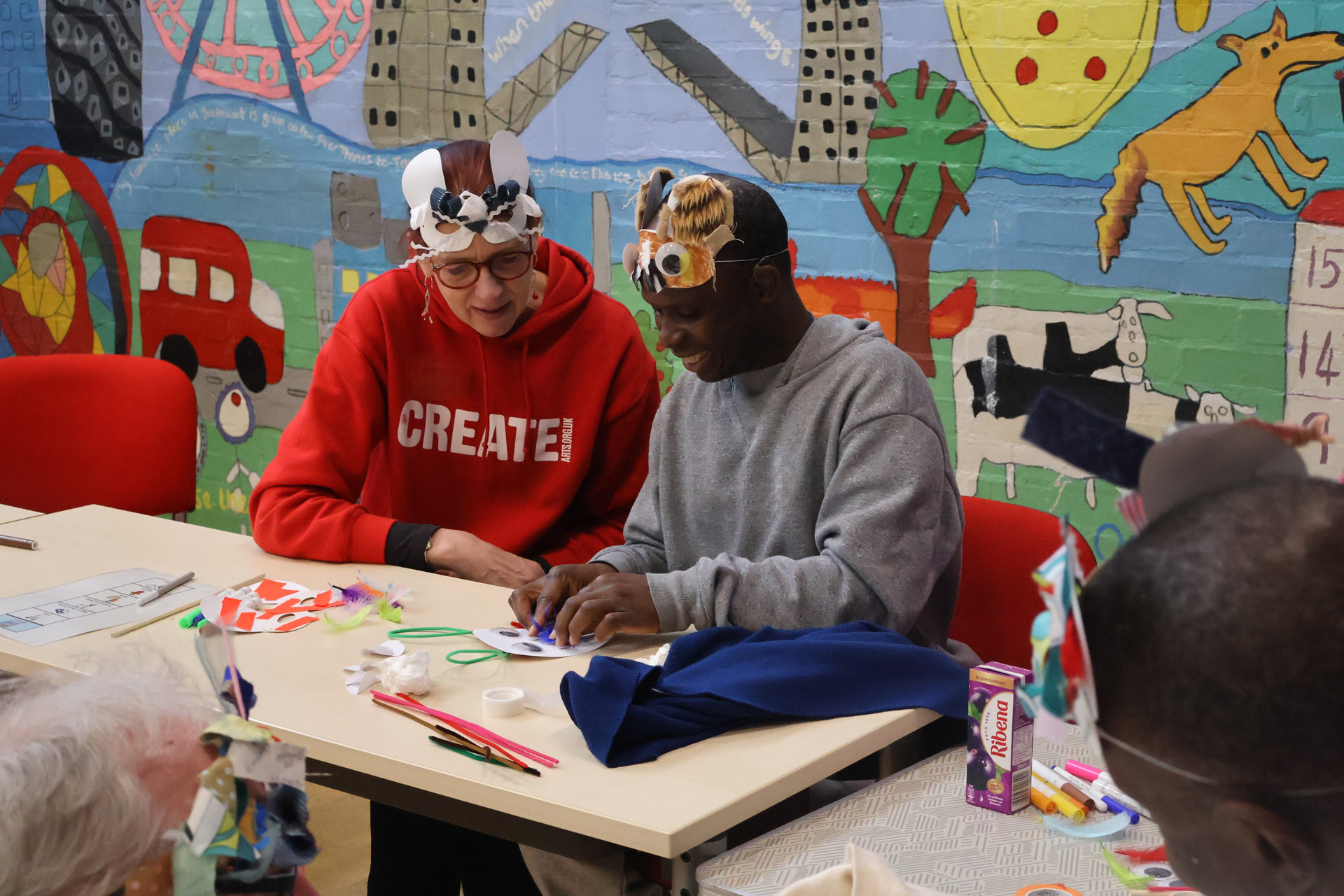
Nicky: ‘The creative arts are such an incredible leveller.’
Create is now 23 years old. What was the impetus to start Create Week three years ago?
Here at Create, because of the way we recruit our artists, our trustees, our staff, everybody has a passion for the participants we work with and for the creative arts. When I come into the office on a Monday morning and ask people what they’ve done over the weekend, everybody says ‘I went to this exhibition’ or ‘I was doing this dance class’. The creative arts are just absolutely at the heart of the lives of everybody here.
Of course, I’m very conscious that we’re actually living in a little bit of a bubble, and that’s not the case for the majority of people. We all know that creativity is so fundamental to wellbeing, to joy and even to being creative at work. Even though I’m not sitting here taking photographs or painting or dancing, I couldn’t do my job as a CEO of a charity in 2026 without being really creative, and having to think outside the box all the time. So we really wanted to find a way to promote, nationally, the reason Create exists, the benefits that everybody can get from taking time to be creative, and the way that creativity connects you in a completely different way with people.
We have an incredible programme where we work with disabled and non disabled children. The purpose behind the project is to challenge disability discrimination, but we don’t discuss, at any point during the project, disability. The project might be themed around nature, and you’ve got disabled and non disabled children working together on a dance project, and these incredible relationships build.
The arts are just such a brilliant leveller. They enable people to express their feelings, to share ideas, to produce something, either individually or collaboratively, that gives them a voice. The majority of our participants simply don’t have a voice. Maybe they were really confident one day, maybe they had a really high powered job and then they became a carer and ended up leaving their job, and then they lose a lot of confidence because they’re not networking with people anymore. They’re really not able to leave home and come together with people, to express themselves and share experiences with other people and build and find a supportive network – and know that they’re working with some of the best creatives in the country. Our artists and professionals are all paid to do their job, but they’re choosing to be there. They could be playing concerts all the time, but they are really passionate about bringing their love of, in that example, music into a setting, and sharing that love and enabling and empowering our participants to be creative.
Create Week takes place from 1–7 July every year. Find out more about 2026’s edition and get involved at createarts.org.uk