





Are Snow Rooms The New Saunas? Inside The Frosty Retreat Of UHNWIs
By
2 months ago
As Britain swelters, a cold frontier emerges
As one heatwave melts into the next, the question is no longer whether they’re coming, but how we adapt. With droughts deepening, food shortages looming, days stretching long in brain fog lethargy and hot nights remaining sleepless, Brits are being encouraged to step into saunas, typically kept between 65 and 90°C, to improve their heat resilience. Fortunately, more than 600 saunas dot the British landscape, concentrated particularly in the South, that the public can make use of as contrast therapy reaches its zenith. But as temperatures outside the sauna regularly hit 40°C, it might be the flipside that you find the most compelling.
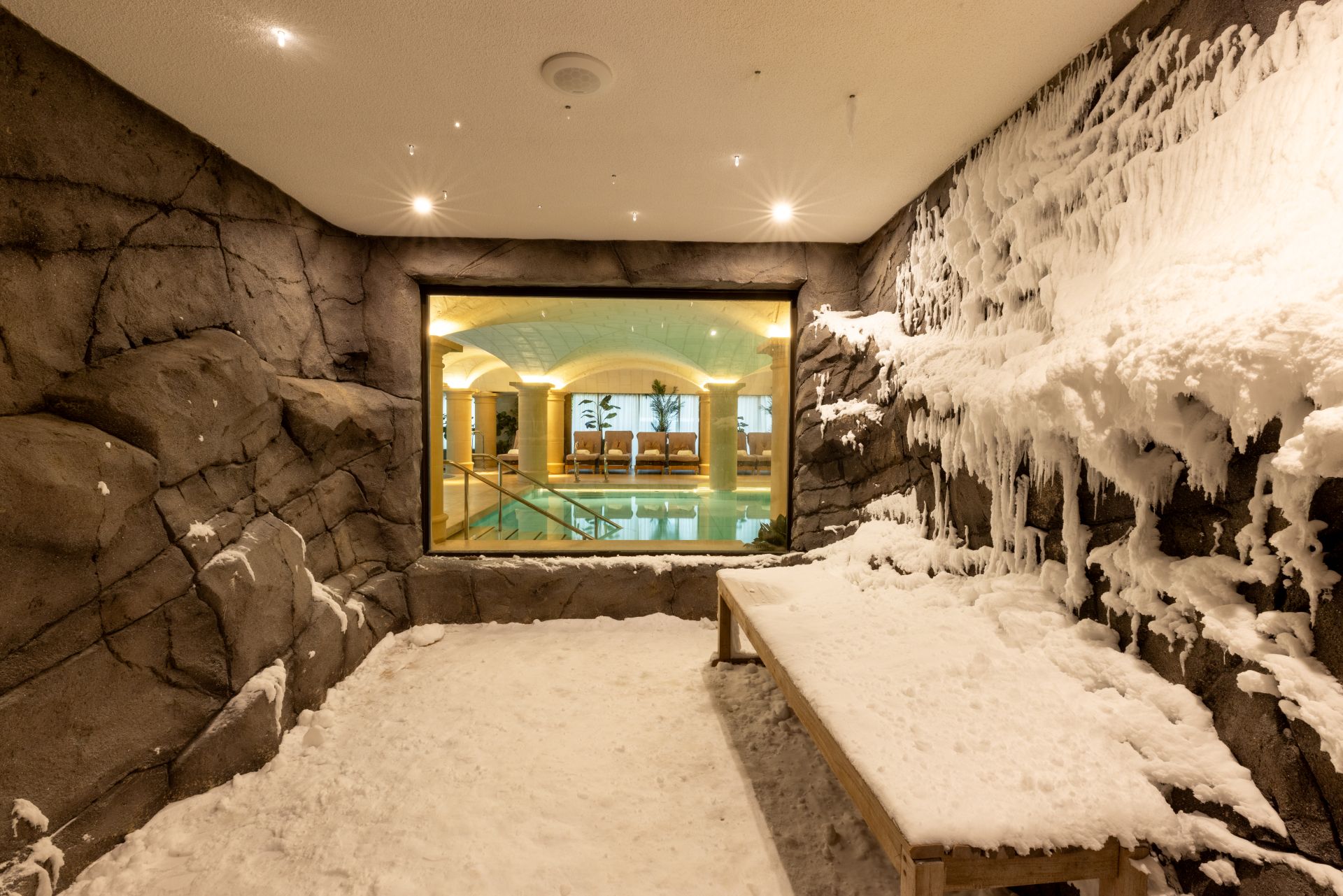
Though we’ve grown familiar with frigid plunge pools and ice-cold showers, a new thermal frontier is capturing the imagination of the ultra-wealthy: snow rooms. As Guy Trebay reported in The New York Times last month, ‘as the changing climate wreaks havoc on the four seasons, some people with means are fashioning their own’.
What Is A Snow Room?
‘A snow room is a gentler form of cold therapy, typically kept between -5°C and -15°C,’ explains Dr Mihaela Gulyas, founder of SKNCode London. ‘The sudden exposure to cold causes blood vessels to temporarily constrict, helping redirect blood flow to vital organs. Once you warm up again, circulation increases as the vessels dilate. This process can leave many people feeling refreshed, energised and mentally clearer.’
Snow rooms command eye-watering price tags, often exceeding $130,000 USD. Naturally, they’ve found their way into some of the world’s most exclusive addresses: petrochemical billionaire Mukesh Ambani’s Mumbai skyscraper Antilia, and aboard Serene, the 440-ft superyacht owned by Crown Prince Mohammed bin Salman of Saudi Arabia, with more emerging across the United States.
The Benefits
The benefits of such temperature-controlled immersion mirror those of their heated counterparts. As Dr Gulyas points out, cold therapy has been linked to reduced muscle soreness, temporary reductions in inflammation and improved recovery. It works by subjecting the body to controlled stress, which can ‘train the nervous system to recover more efficiently from short-term stress,’ Dr Gulyas explains. ‘Many people report feeling calmer, happier and more focused after a session, partly because of the release of endorphins and dopamine. Over time, this may improve resilience to everyday stress, although more long-term research is still needed.’
That said, ‘while a snow room is not a treatment for chronic inflammation or injury,’ the doctor says, ‘it can be a valuable addition to an overall wellness routine, particularly for active individuals’.
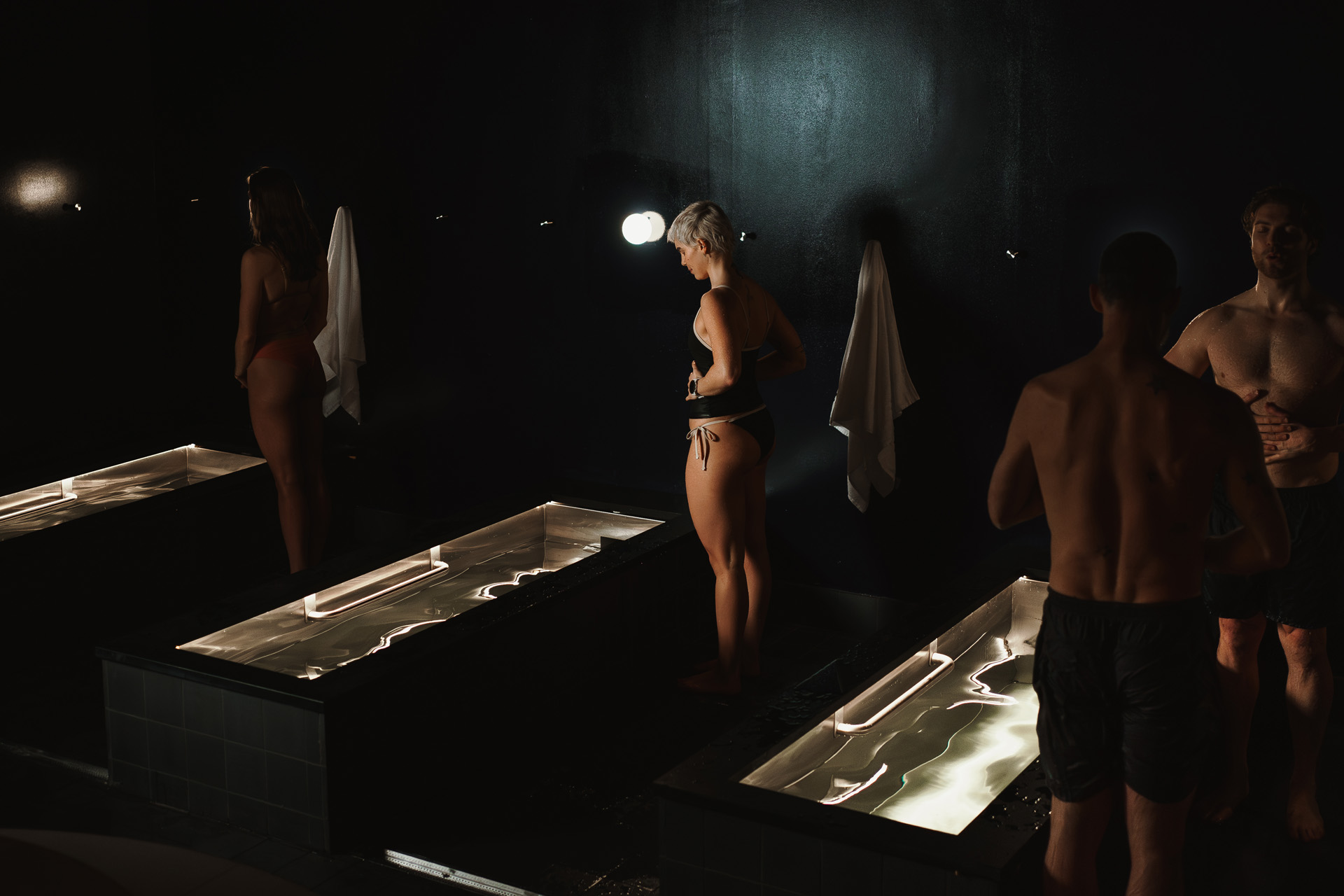
Arc in Canary Wharf was London’s first dedicated contrast therapy space when it opened in January 2025. (© Des Iles)
The Rise Of Contrast Therapy
The technology underpinning snow rooms – borrowed from ski-slope snow cannons – was pioneered by TechnoAlpin in 2016. According to the Italian brand, hotels across Europe (mainly in Austria, Italy, Germany and Switzerland – known bastions of wellness) have eagerly adopted the technology in the decade since to offer guests a distinctive experience. The UK is slowly beginning to follow suit. Whittlebury Park in Northamptonshire has an Ice Cave as part of the spa’s heat and ice experience, and Fairmont Windsor Park’s spa includes a cold cabin where guests can apply crushed ice to their skin following sauna sessions.
Grantley Hall, an uber luxurious hotel near Ripon in North Yorkshire, has housed a snow room within its cutting-edge Three Graces Spa since the venue’s 2019 opening. ‘We are very lucky to have pioneering owners who ripped up the rule book when building this remarkable hotel,’ the spa’s director, Victoria Rickett, tells me. ‘When the spa was built, the opening team wanted the very best and most innovative experiences. They were not looking for gimmicks, rather, to build a spa to rival that of worldwide destinations.’
The facility boasts altitude training, an underwater treadmill and, on the cold end of the spectrum, cryotherapy, cool-misting showers and Brass Monkey ice baths – British-made, steel-lined, self-regulating tubs found at elite venues including Arc in Canary Wharf, Hooke longevity clinic, and 1Rebel’s Reset zones across London.
Though spending time in -5 to -15°C conditions sounds intense enough to send a shiver down the spine, snow rooms actually deliver a gentler cold exposure than alternatives. ‘Unlike ice baths, snow rooms allow a more gradual and often more comfortable exposure to cold, making them accessible to a wider range of people,’ Dr Gulyas explains. ‘Think of snow rooms as the gentler cousin of whole-body cryotherapy. Cryotherapy uses much colder temperatures for a very short period, whereas snow rooms provide a less intense but more comfortable experience.’
At Grantley Hall, Victoria notes, ‘guests can either step into the snow room for a few seconds to cool off, or braver guests take advantage of the bench and stay a while longer, sometimes long enough to make mini snow men.’ Some arrive woolly hats in hand, she adds, much like dedicated cold-water swimmers.
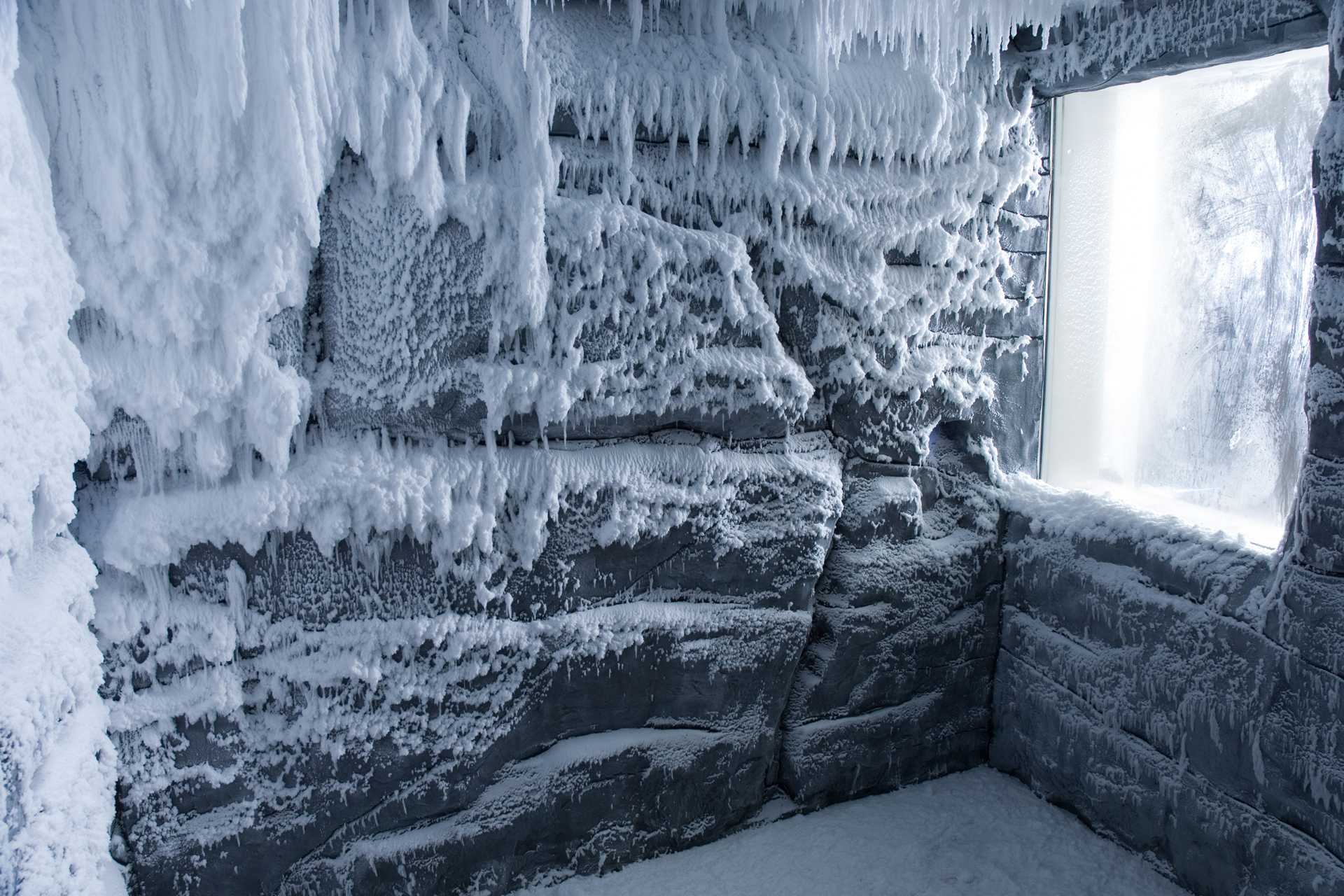
K-West’s Snow Paradise room has sadly closed, leaving no public snow rooms for Londoners.
The London Landscape
Public access to snow rooms in London remains limited – for now. A Snow Paradise room once operated at K-West, available to K Spa visitors for just £25. Located in a former BBC broadcasting studio in White City, the hotel has since been reimagined as Hotel Indigo K West, with the spa currently undergoing renovation; C&TH has sadly been informed the snow room will not survive the overhaul.
London’s existing snow rooms remain private sanctuaries, housed within luxury residential developments. This includes One Blackfriars (starting price £1.15m) and the soon-to-be-complete Wandsworth Mills (starting price £562,000), both helmed by Berkeley Group.
Marcus Blake, MD at Berkeley, Wandsworth Mills, says the latest snow room ‘was inspired by the growing influence of wellness in hospitality, where thermal experiences are increasingly recognised as an integral part of the wellbeing journey’. The snow room will be part of The Retreat, the development’s spa ‘bringing the benefits of hot-cold therapy to residents, supporting circulation, aiding recovery and providing a unique sense of physical and mental reset,’ Marcus explains. ‘Designed as a refreshing counterpoint to the sauna, steam room and wellness pools, the sub-zero space is maintained between -5°C and -10°C and is intended for short sessions of one to three minutes.’
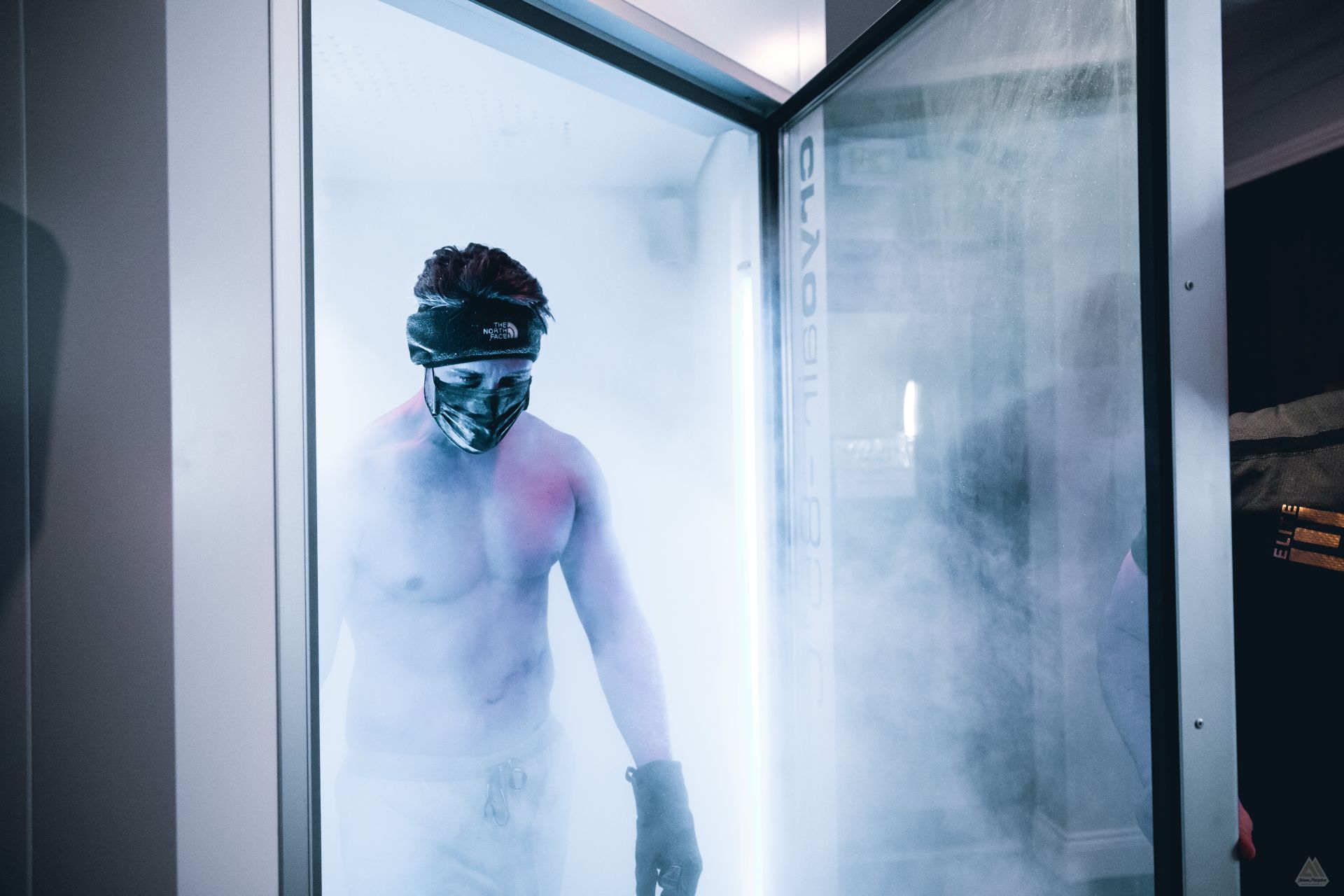
Grantley Hall’s elite facilities also include a cryotherapy chamber.
Will Snow Rooms Enter The Mainstream?
As London’s sauna landscape continues to expand – from floating saunas to poolside and rooftop saunas, luxury subterranean spots to community-run venues tucked away in parks – it’s only a matter of time before snow rooms join them, Victoria believes. ‘The spa industry has grown exponentially in the recent past, with most hotels realising that the discerning traveller values wellness and will choose a venue based on its spa facilities,’ the spa manager says. ‘To attract guests and to encourage longer visits, spas must show innovation and investment. Saunas and steam rooms are a baseline expectation, and I believe the same will happen with cold experiences and destinations will have to keep up.’
And they won’t be restricted to luxury spaces, says Dr Gulyas. ‘They were once mainly found in luxury spas and exclusive wellness retreats, but that is changing rapidly,’ she says. ‘I’m seeing increasing interest from busy professionals, athletes, fitness enthusiasts and even patients simply looking to manage stress more effectively. I believe cold therapy will become far more mainstream over the next few years, much like saunas have.’
But don’t worry: snow rooms won’t displace our cherished heat experiences. Instead, they’re most effective in tandem. ‘Contrast therapy, which alternates between heat and cold, has the strongest evidence for improving circulation and supporting muscle recovery, as the repeated narrowing and widening of blood vessels creates a natural “vascular workout”,’ Dr Gulyas explains.
‘The popularity of saunas has naturally led many people to explore the benefits of cold exposure, too,’ the doctor adds. For those without $130,000 to spare, however, London’s snow-room mainstreaming remains a prospect for the future – though given the climate we’re now living in, the appeal is only intensifying.