


Decision Detoxing, Going Dark & More Trends Guiding Our 2026 Travel Plans
By
10 months ago
The expert forecasting has landed – here's what you need to know
In 2023 revenge travel and set-jetting ruled the roost, 2024 predicted destination dupes would be de rigueur and our 2025 travel trends report noticed the rise of shoulder seasons and coolcations – all familiar concepts now. So what say the fortunetellers about travel in 2026?
It seems we will be tempted by crowd-free corners and softly adventurous frontiers, by floating saunas and cuisines that tell the truth about where we’ve landed, and by a quietly growing desire to vanish, quite literally, into the dark. It’s a year that invites us to roam with intent, to taste more consciously, to sweat a little, to switch off a lot, and to let the world genuinely surprise us.
We’ve gathered the trends worth knowing about below, each a small light guiding our 2026 travel plans.
Travel Trends To Know In 2026
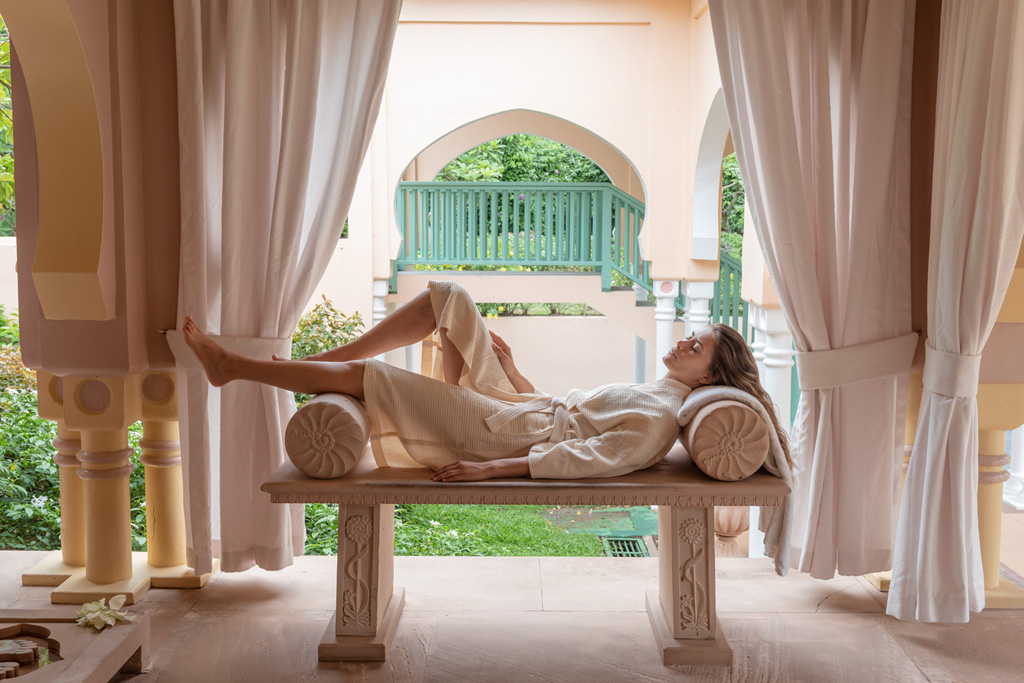
BodyHoliday St Lucia’s luxury all inclusive offering takes all the decision making out of guests hands.
Decision Detox
Have you (whisper it) asked Chat GPT to plan your holiday yet? Vacations used to be synonymous with relaxation, but with flight price alerts, myriad accommodation and dining options and tick-box itineraries, they’ve become yet another chore. The pivot? Decision detox travel, where guests put the decision making into someone else’s hands. Think BodyHoliday in Saint Lucia, built on the promise: ‘Give us your body for a week, and we’ll give you back your mind.’
If you think this sounds like holiday handcuffs, stay with me. As Jule Sampson, founder of Reclaim Yourself Retreats puts it: ‘People are seeking the relief of handing over the reins to an expert who can curate something impactful, seamless, and truly restorative. For many women especially, the idea of showing up and knowing every element has been carefully thought through, from nourishing food and thoughtful accommodation to local experiences and moments of stillness, feels not only like a luxury, but a necessity.’
Teenage Pester Power
Another way to outsource your decision making is by looping your opinionated teens into the process. According to Scott Dunn, 70 percent of teenagers actively give their parents ideas on where to travel, while more than 50 percent of guests make decisions collectively as a family. Dream destinations include Thailand, South Africa, Australia, Greece and Costa Rica – and I’m sure you’re already sure where they mine their inspiration. For 80 percent, it is of course TikTok and Instagram – but at least 60 percent also glean ideas from their friends. There’s hope in word-of-mouth yet…
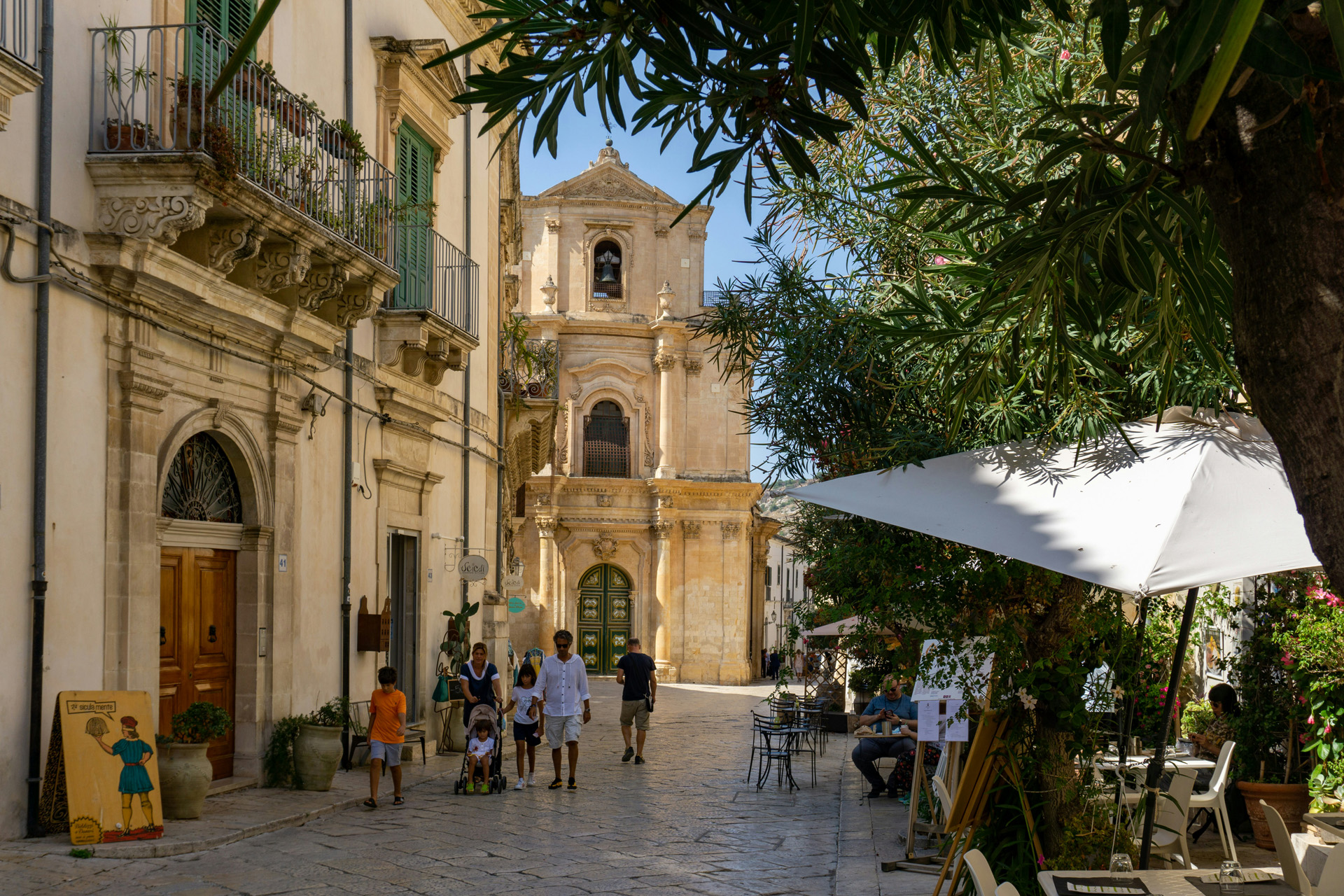
Scicli is an off-track baroque town in Sicily
4. Crowd-Free – And Crowd-Less
The tippy top end of luxury travellers have always harboured an access-all-areas attitude to travel – and this is only growing. ‘An increasing proportion of travellers see true luxury travel as having access to something others haven’t experienced and an opportunity to do what was once perceived impossible,’ the experts at Audley Travel say. ‘These adventure seekers are demanding access to private land, pursuing out-of-bounds properties, off-the-map locations and to be the first aboard new vehicles and vessels. They don’t just want rarity, but expertly wrangled itineraries that push at the limits of what is viable.’
On a smaller scale, travellers in general are reaching to new, offbeat adventures, discovering locations on their own rather than being guided by an algorithm (though admittedly occasionally with the help of AI). ‘More and more of our travellers, especially the anti-Instagram brigade, are turning away from overcrowded hotspots that rarely live up to their over-filtered, uncluttered online image,’ says Nick Pulley, founder of Selective Asia. ‘This shift is essential for reducing pressure on overcrowded destinations, while giving travellers the deeper, more rewarding connections they crave.’
Bill Measom
Saunavation
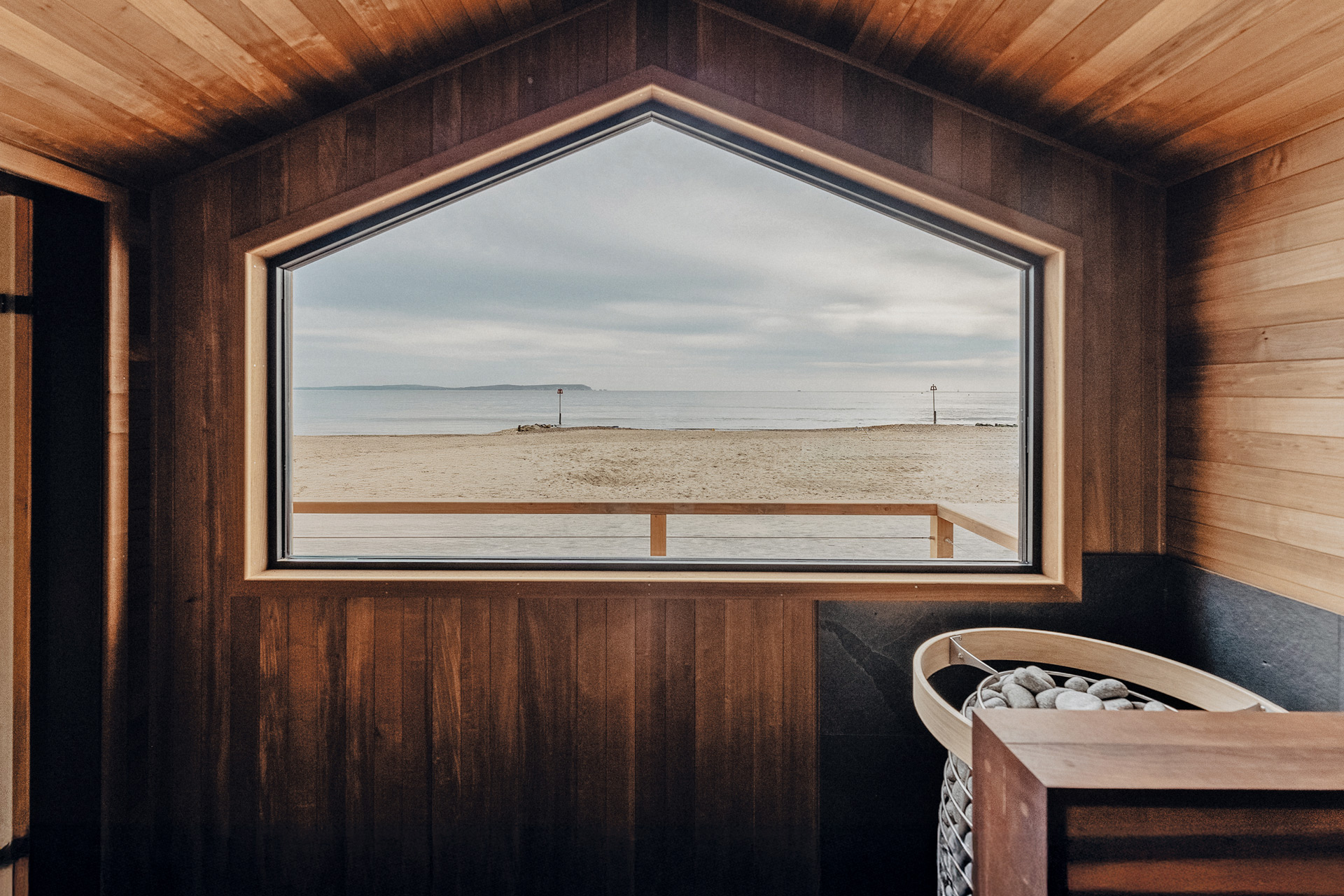
From beachside saltwater saunas to a floating pod on the River Thames, wild saunas are booming in Britain – and these sweat pods are going nowhere soon. It moves hand in hand with the rise of contrast therapy, both spiking in popularity in the wake of the cold water swimming boom. ‘What was once a niche Scandinavian practice is now becoming a core component of the UK wellness landscape,’ the experts at British off-grid cabin provider Unplugged say. ‘The trend is moving beyond simple relaxation and is being adopted for its science-backed benefits, community-building potential, and accessibility.’ Having launched its first contrast therapy cabin in 2025, we’re told to expect more from Unplugged in 2026.
‘Couched within the tourism context, it’s floating saunas that are all the rage,’ agree travel experts Lemongrass. ‘These mobile sanctuaries offer elemental immersion interwoven with sweat-inducing heat and momentary cold plunges while being surrounded by nature. Floating saunas generally hold up to a dozen people that can be rented out a few hours at a time (see Berlin’s FINNFLOAT for an urban example), turning them into a unique combination of sauna as social hub and sensorial reset, a place where design, adventure, relaxation, and ritual meet for the ultimate wellness experience.’
Going Dark
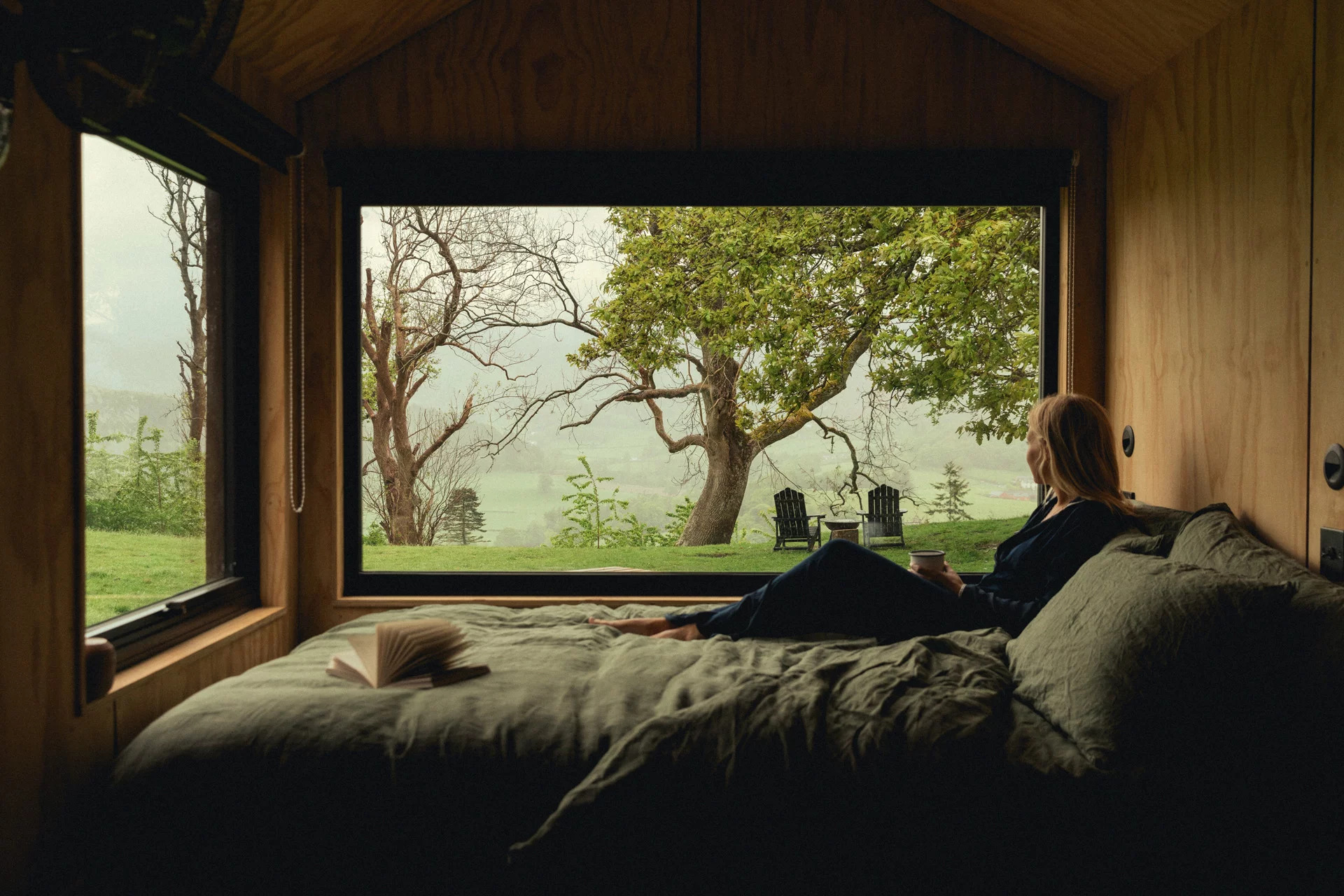
So-called ‘ping minimalism’ is set to be one of the biggest wellness trends of 2026 as analogue wellness evolves from a fringe movement to a mainstream lifestyle choice. Global Wellness Institute CEO Susie Ellis predicted 2025 ‘would be the pivotal year that people got intentional and aggressive about unplugging from an online world costing us our minds, focus, joy, humanity and social lives. That more people would embrace the joy of logging off (JOLO) and act on their hunger to go dark, rejecting the empty overstimulation and sensory overload (all the 24/7 digital, light and noise pollution) that increasingly engulfs us.’
Fittingly, Unplugged experienced a 44 percent uptick in cabin bookings in 2025, with half of guests citing ‘burnout and screen fatigue as their main motivation for booking,’ founder Hector Hughes points out. But ‘going dark’ is evolving in unprecedentedly more literal ways than we ever thought. ‘We’ve always known darkness is key to a good night’s sleep, but hotels are now turning the lights out for far more than a healthy dose of shut-eye,’ the experts at Lemongrass says. ‘As overstimulation, blue light fatigue, and burnout become near-universal, a new wave of properties is experimenting with the absence of sensory input as a luxury offering.’ Examples include Skycave Retreats in Oregon and Evolute Institute Darkness in Germany where guests can find blackout architecture, no-tech zones, and design promoting circadian repair.
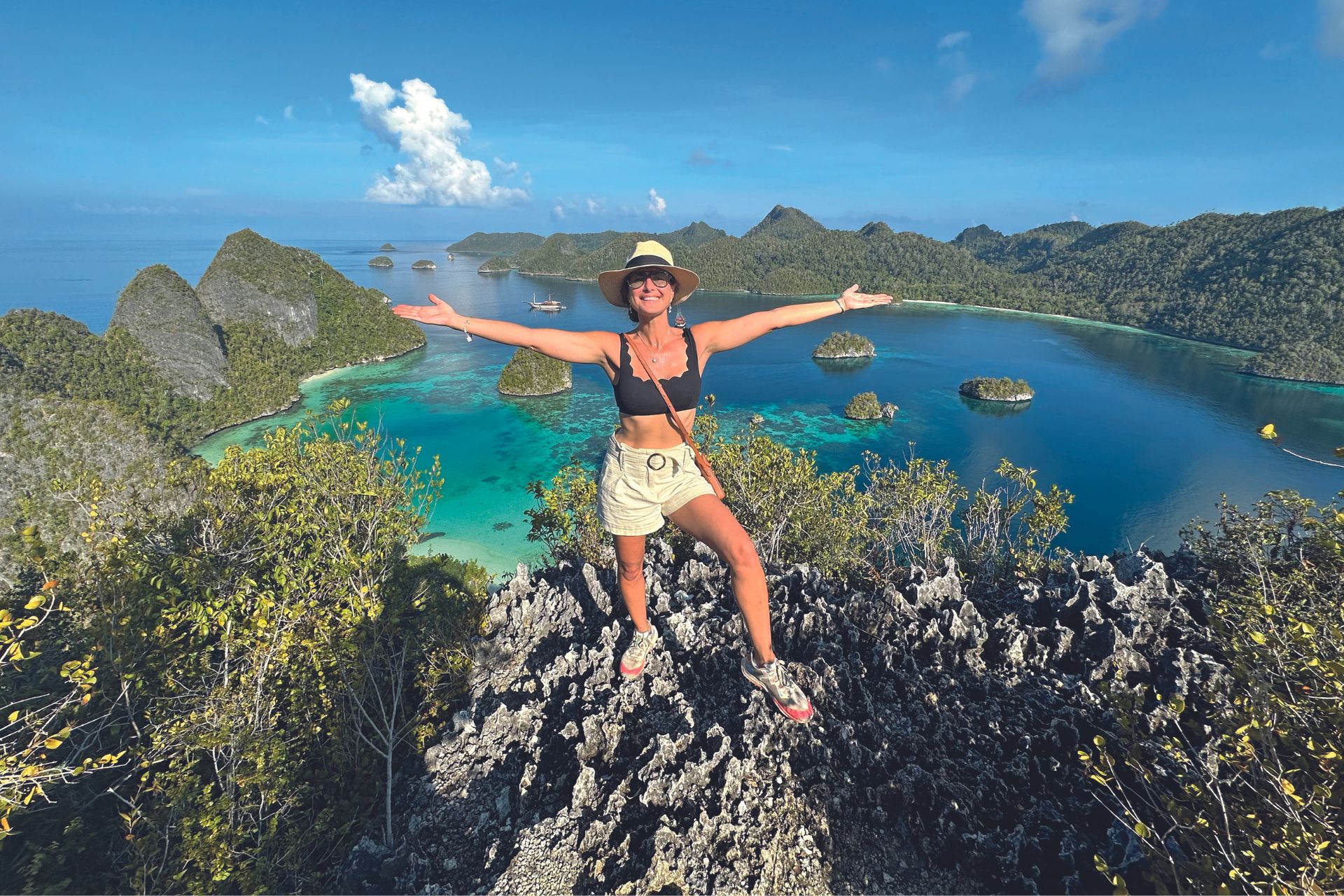
Raja Ampat, Indonesia
Soft Expeditioning
The Arctic and Antarctic are back on the travel agenda, but not everyone has an expedition in them. That’s why soft expeditioning is on the rise: similar levels of adventure in warmer climates, without the need for extreme physical endurance. Rising destinations for Audley Travel include Indonesia, the Pacific, the Amazon and Africa, with working Millennials key proponents of the trend as they are ‘seeking shorter durations to deliver maximum adventure at the same time as satisfying their curiosity about a destination,’ the team explains.
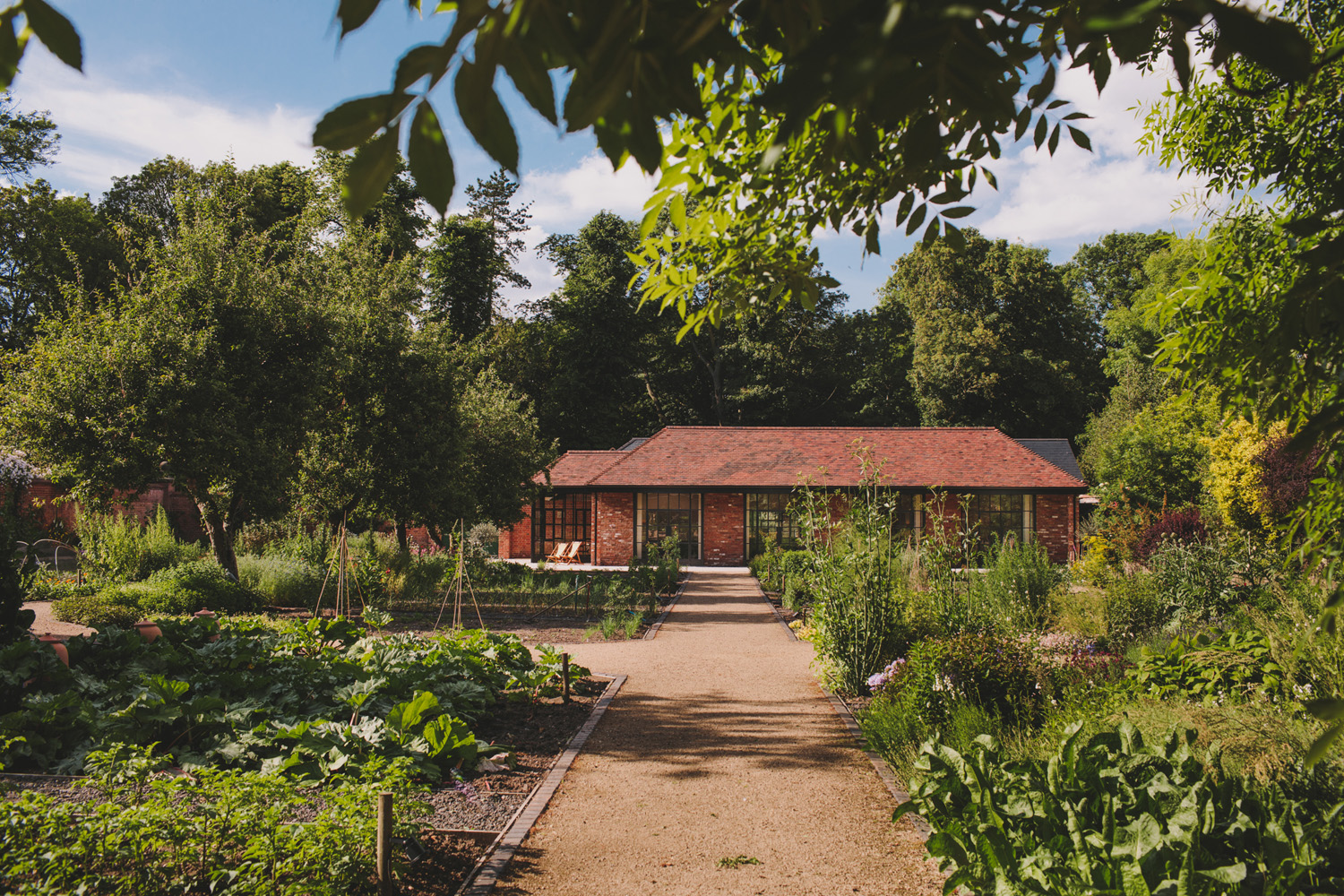
Grace & Savour in Hampton Manor’s walled garden
Conscious Cuisine
Good food has always been a top travel motivator – but it’s never been more authentic than this. ‘We’re seeing a shift towards conscious cuisine,’ say the experts at Scott Dunn. ‘Luxury travellers choosing authentic experiences that connect them with the destination they’re in, be it a culturally informed food tour, meals with locals hosted within their homes, or hands-on cooking classes that start on the farm and end around a communal table.’
Closer to home, British farm-to-fork restaurants with rooms are here to stay. Try Osip in Somerset, Fowlescombe Farm in Devon and Hampton Manor near Birmingham in 2026.